📊 پیشبینی افزایش سه برابری جمعیت مسلمانان انگلستان در سی سال آینده
طبق گزارش مرکز تحقیقاتی پیو (Pew Research Center)، جمعیت مسلمانان انگلستان در سی سال آینده سه برابر خواهد شد و از 4.1 میلیون نفر در سال 2016 به 13 میلیون نفر خواهد رسید. در گزارش مشابهی عنوان شده که انگلستان مقصد مهمی برای مهاجران اقتصادی و آلمان مقصد مهم پناهندگان است.
همچنین بریتانیا یکی از کشورهایی است که در آن شاهد بیشترین میزان تفاوت نرخ زاد و ولد میان مسلمانان و غیر مسلمانان هستیم و با این حساب، حتی اگر مهاجرت بهطور کامل متوقف شود، درصد جمعیت مسلمانان در انگلستان، فرانسه، ایتالیا و بلژیک به صورت طبیعی به بیش از سه درصد افزایش خواهد یافت...
👈 ادامه مطلب
📊 Muslim population of the UK could triple to 13m following 'record' influx
The Muslim population of the UK is set to triple in 30 years, according to projections from the Pew Research Centre. Under the model which assumes median migration levels, the number of Muslims in the country would rise from 4.1m in 2016 to 13m in 2050. The US-based think tank says that the UK has been the major destination for economic migrants coming to Europe, while Germany has been the top destination for refugees.
The UK also has one of the largest gaps in fertility rates between Muslims and non-Muslims. This means that even if migration were to stop completely, the group's population share would rise by more than 3 per cent in the UK, as well as in France, Italy, and Belgium...
👉 Read more
🔎 #Statistics #Islamic_News
@IRIC_org

📊 تا سال 2030 مسلمانان 8 درصد از جمعیت اروپا را به خود اختصاص خواهند داد
کارگاه آموزشی دو روزه با عنوان "پراکندگی جمعیت مسلمانان: صلح جهانی و مشکلات رفاهی" توسط نخست وزیر ترکیه، برای ترکهای خارج از کشور و انجمنهای مرتبط و مرکز آمار و ارزیابی اقتصادی و اجتماعی تحقیق و آموزش کشورهای اسلامی (SESRIC) تحت همکاری سازمان همکاری اسلامی (OIC) در استانبول برگزار شد و گزارش پراکندگی مسلمانان در دنیا طی آن ارائه گردید.
بر اساس این گزارش، اتریش بیشترین جمعیت مسلمان را در اروپا دارا میباشد.همچنین در حال حاضر 44 میلیون مسلمان در قاره اروپا و بیش از 5 میلیون مسلمان در آمریکا زندگی میکنند که این میزان تا سال 2030 میلادی، در اروپا به 8% و در امریکا به 2.1% جمعیت خواهد رسید...
👈 ادامه مطلب
📊 Europe’s Muslim population to hit 8 pct by 2030
The Muslim population of Europe will rise to 8 percent and of the United States to 2.1 percent by 2030, according to Global Muslim Diaspora Report released on Saturday. The report was released at a workshop in Istanbul called “Muslim Diaspora: Global Peace and Difficulties for Welfare.”
The two-day workshop was co-organized by the Turkish Prime Ministry’s Presidency for Turks Abroad and Related Communities (YTB) and the Statistical Economic and Social Research and Training Center for Islamic Countries (SESRIC) under the Organization of Islamic Cooperation (OIC).
The report also underlines that Austria has highest Muslim population in Europe. It adds that currently 44 million Muslims live in Europe and over 5 million in the U.S. ...
👉 Read more
🔎 #Statistics #Islamic_News
@IRIC_org

📊 ده یافته جدید درباره دین در اروپای غربی
مطابق نظرسنجیهای جدید صورت گرفته در 15 کشور اروپای غربی توسط مرکز تحقیقات پیو (Pew Research Center)، اکثر مسیحیان در اروپای غربی امروز عامل به آداب دینی نیستند اما هویت مسیحی همچنان یک نماد مذهبی، اجتماعی و فرهنگی معنیدار است. این نظرسنجی علاوه بر اعتقادات و عبادات مذهبی، دیدگاههای پاسخدهندگان پیرامون مهاجرت، هویت ملی و پلورالیسم و نحوه نگرش دین به این مسائل را نیز بررسی می کند.
یافتههای این گزارش نشان میدهد:
1- اگرچه بیشتر کشورهای اروپای غربی سکولار هستند، اما اکثر مردم این منطقه همچنان مسیحی میباشند.
2- با وجود اینکه بیشتر مردم این منطقه مسیحی شناخته میشوند، اما تعداد کمی به طور منظم به کلیسا میروند...
👈 ادامه مطلب
📊 10 Key Findings about Religion in Western Europe
Most Christians in Western Europe today are non-practicing, but Christian identity still remains a meaningful religious, social and cultural marker, according to a new Pew Research Center survey of 15 countries in Western Europe. In addition to religious beliefs and practices, the survey explores respondents’ views on immigration, national identity and pluralism, and how religion is intertwined with attitudes on these issues.
Here are some key findings from the new survey:
1. Secularization is widespread in Western Europe, but most people in the region still identify as Christian.
2. Even though most people identify as Christian in the region, few regularly attend church…
👉 Read more
🔎 #Statistics #Islamic_News
@IRIC_org

✅ شکاف سنی دینداری در سراسر دنیا
مطابق تحقیقات انجام شده، جوانان در مقایسه با افراد مسن کمتر مذهبی هستند. در ایالات متحده آمریکا گروههای مذهبی طی دهههای اخیر کمرنگ شده اند و جوانان نسبت به نسلهای قبل پایبندی بسیار کمتری به معتقدات و آداب دینی دارند. این نتایج تنها منحصر به آمریکا نیست و طبق آخرین تحقیقات مرکز پیو در بیش از 100 کشور و منطقه جغرافیایی طی دهه اخیر، این نتایج عمومی میباشند. به عنوان نمونه، تعداد افراد زیر چهل سالی که دین را عامل "خیلی مهمی" در زندگی خود می دانند نسبت به افراد مسنتر کمتر میباشد و این مسأله تنها در کشورهای سکولار و ثروتمندتر مانند کانادا، ژاپن و سوئیس نیست و در کشورهای در حال توسعه و مذهبیتر مانند ایران، لهستان و نیجریه نیز صادق میباشد...
👈 ادامه مطلب
✅ The Age Gap in Religion around the World
By several measures, young adults tend to be less religious than their elders.
In the United States, religious congregations have been graying for decades, and young adults are now much less religious than their elders. Recent surveys have found that younger adults are far less likely than older generations to identify with a religion, believe in God or engage in a variety of religious practices.
But this is not solely an American phenomenon: Lower religious observance among younger adults is common around the world, according to a new analysis of Pew Research Center surveys conducted in more than 100 countries and territories over the last decade.
For example, adults younger than 40 are less likely than older adults to say religion is “very important” in their lives not only in wealthy and relatively secular countries such as Canada, Japan and Switzerland, but also in countries that are less affluent and more religious, such as Iran, Poland and Nigeria...
👉 Read more
🔎 #Islamic_News #Statistics
@IRIC_org

✅ شرایط اقتصادی عامل اصلی محدودیت تحصیل زنان مسلمان
جوامع مسلمان به خاطر عدم موفقیت زنان در تحصیل با انتقادهایی مواجه هستند و برخی وقایع مانند دزدیده شدن دختران دانش آموز توسط بوکوحرام در نیجریه و حمله طالبان به ملاله یوسفزَی، فعال حوزه تحصیل دختران در پاکستان، این شبهه را تشدید میکند که آیا اسلام زنان را در حوزه تحصیل و آموزش و پرورش محدود نمیکند؟ اما جدیدترین تحلیل انجام شده روی اطلاعات مرکز تحقیقات پیو (Pew Research Center) در موضوع تحصیلات و دین نشان میدهد که شرایط اقتصادی عامل اصلی و کلیدی در محدودیت زنان مسلمان برای تحصیل بوده است نه مسائل دینی. امروزه زنان مسلمان در زمینه تحصیلات با مردان مسلمان و حتی با دیگر زنان سراسر دنیا قابل مقایسه هستند و این پیشرفتها نشان میدهد که دین عامل این محدودیتها نبوده است...
👈 ادامه مطلب
✅ Education of Muslim women is limited by economic conditions, not religion
Muslim societies have sometimes faced criticism for failing to adequately educate women. Boko Haram’s kidnapping of schoolgirls in Nigeria and the Taliban’s attack on Pakistani education activist Malala Yousafzai have contributed to this perception, raising the question of whether Islam itself hampers women’s education. But a new analysis of Pew Research Center data on educational attainment and religion suggests that economics, not religion, is the key factor limiting the education of Muslim women.
It’s true that, historically, Muslim women have received less schooling than females of other major religions. More recently, however, Muslim women have been catching up – not only with Muslim men but also with other women around the world.
As Muslim women move up the educational ladder, the role of religion as a predictor of academic attainment is diminishing.
👉 Read more
🔎 #Islamic_News #Statistics
@IRIC_org

📊 نظرسنجی در مورد دیدگاه اروپاییان نسبت به مسلمانان و یهودیان
مرکز تحقیقات پیو (Pew Research Center) از اتباع 15 کشور اروپای غربی پیرامون "چندفرهنگی" و "پلورالیسم" با تأکید خاص بر نوع نگاه آنها به مسلمانان و یهودیان نظرسنجی کرده است. در این نظرسنجی از مردم خواسته شده تا نظر خود را در مورد میزان پذیرش یک مسلمان یا یهودی به عنوان خویشاوند یا همسایه و همینطور شعارهای ضد مسلمانان و یهودیان در اروپا ابراز کنند. مطابق نتایج این تحقیق، میزان پذیرش یهودیان بیشتر از مسلمانان بوده است و میزان نفرت از مسلمانان در افراد با سطح تحصیلات پایینتر بیشتر از دیگران بوده است...
👈 ادامه مطلب
📊 Measuring Attitudes Toward Muslims and Jews in Western Europe
Pew Research Center asked people in 15 Western European countries a number of questions related to multiculturalism and pluralism, with a specific emphasis on their attitudes toward Muslims and Jews.
They asked respondents about their willingness to accept Muslims and Jews as neighbors and relatives. Another set of questions asked people if they agree or disagree with a number of strongly worded statements about Jews and Muslims.
The survey results indicate that people who express negative opinions about Muslims are more likely than others to also express negative views of Jews. Education is also a factor: People with less education are more likely to take negative positions toward Muslims, Jews and immigrants…
👉 Read more
🔎 #Statistics #Islamic_News
@IRIC_org

📊 دیدگاه مثبت آشنایان افراد مسلمانان نسبت به اسلام در اروپای غربی
بر اساس آخرین مطالعات مرکز تحقیقات پیو (Pew Research Center) در پانزده کشور اروپای غربی، افرادی که با مسلمانان در ارتباط هستند نسبت به بقیه دیدگاه مثبتتری نسبت به مسلمانان و دین اسلام دارند و آشنایی با اسلام تا این اندازه در به وجود آوردن دیدگاههای مثبت مؤثر نمیباشد. در این تحقیق، از افراد سؤالات مختلفی پرسیده شده از جمله اینکه آیا بین دین اسلام و فرهنگ کشورشان سازگاری وجود دارد یا خیر و یا اینکه آیا علاقهمند به پذیرش یک مسلمان به عنوان عضوی از خانوادهشان میباشند یا خیر. اگر چه آشنایی با حداقل یک فرد مسلمان در بیشتر کشورهای اروپای غربی یک امر عادی میباشد، اما مطابق گزارش دیگری از مرکز پیو، در ایالات متحده آمریکا این طور نمیباشد...
👈 ادامه مطلب
📊 In Western Europe, familiarity with Muslims is linked to positive views of Muslims and Islam
Across Western Europe, people who say they personally know a Muslim are generally more likely than others to have positive opinions of Muslims and their religion, according to a recent Pew Research Center study in 15 countries. However, knowing something about Islam – as opposed to personally knowing a Muslim – is less associated with these positive feelings.
This pattern is evident across several different questions the Center asked of non-Muslim Europeans to gauge attitudes toward Muslims, including whether they think Islam is compatible with their country’s culture and values and whether they would be willing to accept a Muslim as a member of their family.
While knowing a Muslim is prevalent in most countries across Western Europe, it is less common in the United States, according to a separate Pew Research Center study...
👉 Read more
🔎 #Statistics #Islamic_News
@IRIC_org

📊 اکثر مردم اروپای غربی موافق اعمال برخی محدودیتها بر پوشش مذهبی زنان مسلمان هستند
در کشورهای هلند، اتریش، بلژیک، فرانسه و بخشهایی از ایتالیا و اسپانیا قوانینی برای محدود کردن پوشش زنان مسلمان تصویب شده است و این قوانین همسو با رویکرد اروپای غربی در این مسأله است.
بر اساس آخرین نظرسنجی مؤسسه تحقیقاتی پیو در پانزده کشور این منطقه، غالب افراد غیرمسلمان با اعمال این محدودیتها موافق هستند.
برای نمونه در انگلستان 53% از غیرمسلمانان با اعمال محدودیت تنها در پوشاندن صورت زنان مسلمان موافق هستند و 27% از افراد معتقدند که زنان مسلمان باید بتوانند هرطور که مایل هستند پوشش خود را انتخاب کنند...
👈 ادامه مطلب
📊 Most Western Europeans favor at least some restrictions on Muslim women’s religious clothing
A Danish law that took effect in August makes it illegal for Muslim women to wear face-covering veils – such as burqas or niqabs – in public. Austria, Belgium and France, as well as parts of Italy and Spain, have enacted similar laws in recent years, contributing to government in the region. These laws are largely in line with Western European attitudes on the issue.
Most non-Muslim adults in Western Europe favor at least some restrictions on the religious clothing of Muslim women who live in their country, according to a recent Pew Research Center survey of 15 countries in the region.
In the United Kingdom, for example, 53% of non-Muslim adults say Muslim women in the UK should be allowed to wear religious clothing as long as it does not cover their face, while 19% favor restricting all religious clothing. Roughly a quarter (27%) support allowing Muslim women to wear the religious clothing of their choosing...
👉 Read more
🔎 #Islamic_News #Statistics
@IRIC_org

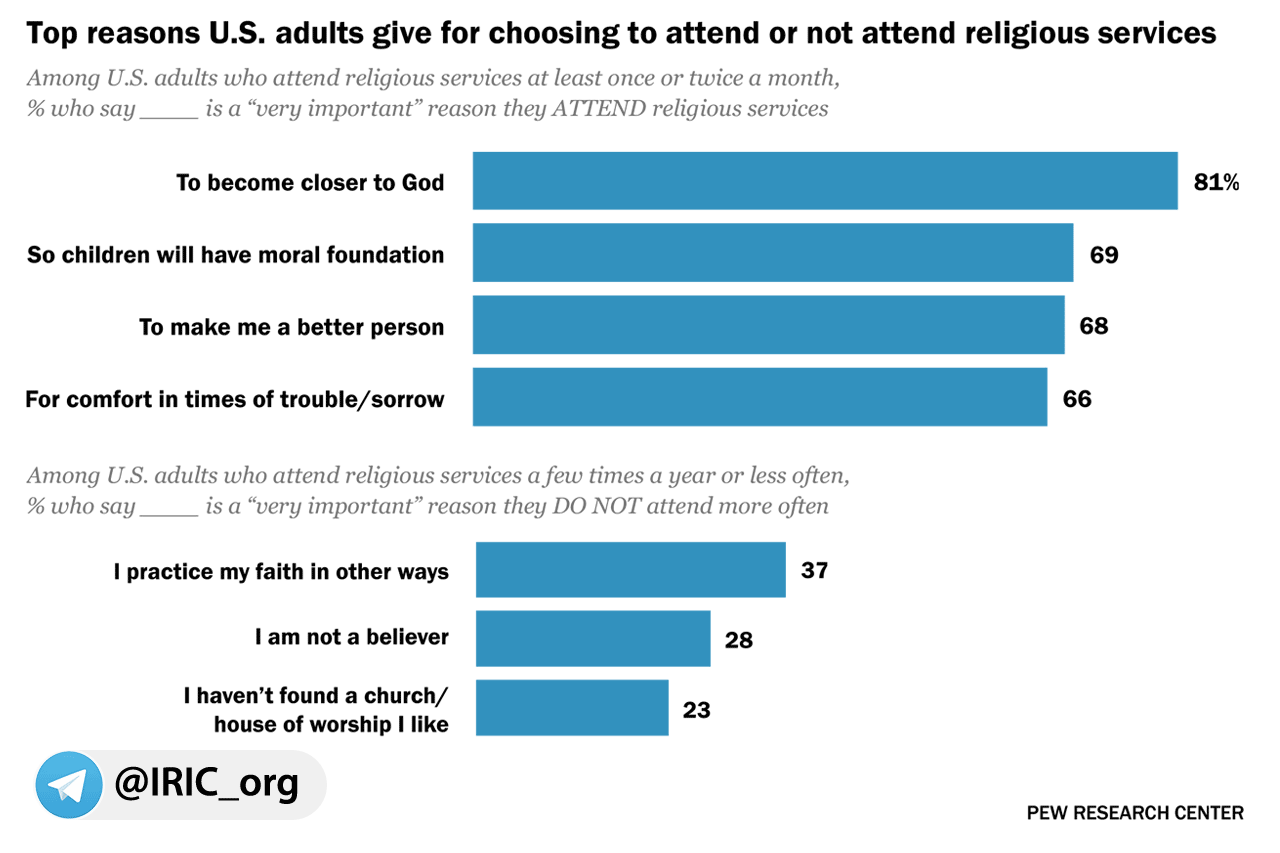
📊 بررسی دلایل شرکت و عدم شرکت آمریکاییها در مراسم دینی
در طی سالهای اخیر میزان شرکت جوانان آمریکایی در مراسم دینی کاهش چشمگیری پیدا کرده است. طبق گزارشی تازه از مرکز تحقیقات پیو (Pew Research Center)، علت اصلی حضور آمریکاییها در مراسم عبادی کلیسا، معابد و یا مساجد نزدیک شدن به خداوند میباشد، اما دلایل شرکت نکردن آمریکاییها پیچیدهتر میباشد؛ برخی دلیل مراجعه نکردن به عبادتگاههای دینی را بی اعتقادی خود بیان کردهاند، در حالی که برخی دیگر عبادت کردن به شیوه خودشان و در جایی غیر از یک مکان دینی را عنوان میکنند. برخی نیز دلایلی منطقیتر مانند عدم توانایی جسمی یا مضیقه زمانی را در پاسخ به این سؤال مطرح میکنند...
👈 ادامه مطلب
📊 Why Americans go (and don’t go) to religious services
In recent years, the percentage of U.S. adults who say they regularly attend religious services has been declining. A new Pew Research Center survey finds that the main reason people regularly go to church, synagogue, mosque or another house of worship is an obvious one: to feel closer to God. But the things that keep people away from religious services are more complicated.
Among those who attend no more than a few times a year, about three-in-ten say they do not go to religious services for a simple reason: They are not believers. But a much larger share stay away not because of a lack of faith, but for other reasons. This includes many people who say one very important reason they don’t regularly attend church is that they practice their faith in other ways.
Still others name logistical reasons, like being in poor health or not having the time to go, as very important reasons for not regularly attending religious services...
👉 Read more
🔎 #Islamic_News #Statistics
@IRIC_org
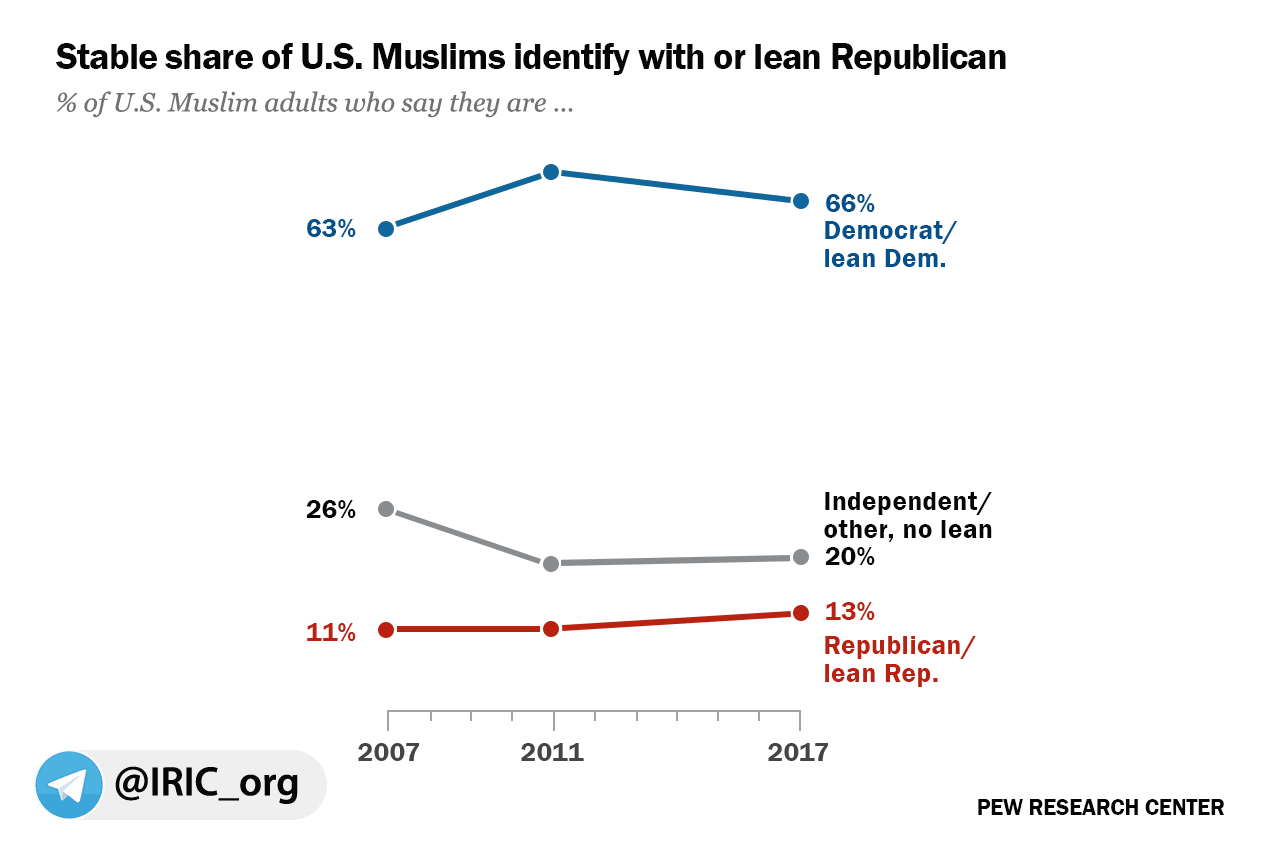
✅ جمهوریخواهان بر روی سهم کوچک اما پایدار مسلمانان آمریکا حساب باز کردهاند
تحلیل جدید مؤسسه تحقیقات پیو (Pew Research Center) روی دادههای آماری بین سالهای 2007 تا 2017 نشان میدهد اگرچه بیشتر مسلمانان در آمریکا طرفدار حزب دموکرات میباشند، اما سهم اندک جمهوریخواهان طی این ده سال و حتی بعد از انتخاب دونالد ترامپ، ثابت و پایدار باقی مانده و تغییرات اندکی داشته است.
اگرچه حدود 57% جمهوریخواهان و 47% دموکراتها معتقدند هیچکدام از این دو حزب رفتار دوستانهای با مسلمانان ندارند...
👈 ادامه مطلب
✅ Republicans account for a small but steady share of U.S. Muslims
Many more U.S. Muslims identify with or lean toward the Democratic Party than the GOP (66% vs. 13%), but the share who are Republican has held steady over the last 10 years, including after the election of President Donald Trump, according to a new analysis of Pew Research Center survey data collected between 2007 and 2017.
In 2007, 11% of Muslims identified as Republican. The share changed very little in surveys conducted by the Center in 2011 (11%) and 2017 (13%). Sizable shares of both Republican and Democratic Muslims are critical of the way both parties treat U.S. Muslims. Nearly six-in-ten Republicans (57%) and about half of Democrats (47%) say neither party is friendly toward Muslims in America...
👉 Read more
🔎 #Islamic_News #Statistics
@IRIC_org
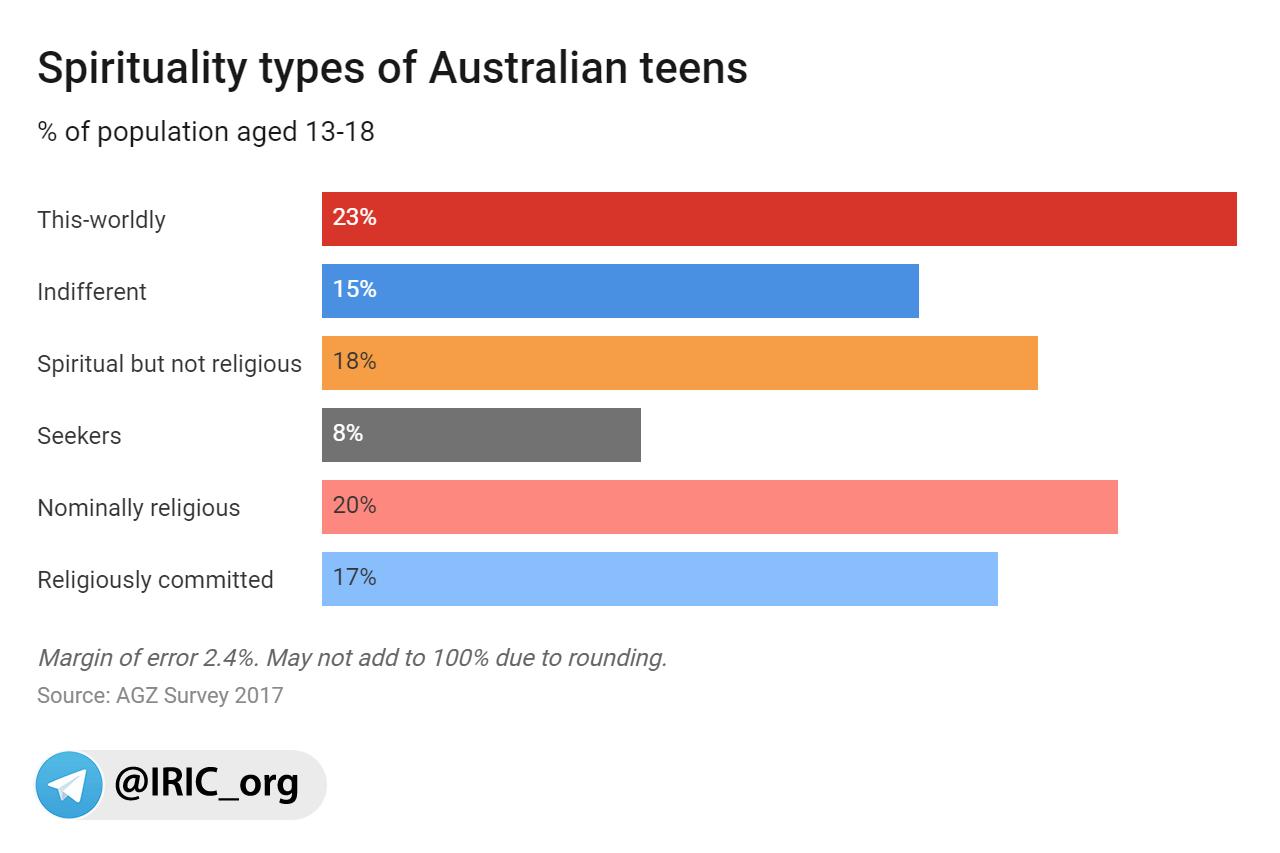
✅ دیدگاههای پیچیده نوجوانان استرالیا پیرامون دین و معنویت
بر اساس یافتههای یک نظرسنجی تازه، دست کم نیمی از نوجوانان استرالیایی بیدین هستند و به دین یا گروه مذهبی خاصی تعلق ندارند. این گزارش نشان میدهد دین در زندگی بیشتر نوجوانان جایگاهی ندارد، گرچند بخش قابل توجهی از آنها علاقهمند به شیوههای مختلف معنویتگرایی میباشند.
مهاجرت، بیدینی، تنوع ادیان و بازار معنویتگرایی، مسیحی بودن کشور استرالیا را به چالش کشانده است...
👈 ادامه مطلب
✅ New research shows Australian teens have complex views on religion and spirituality
According to the new national survey, at least half of teens say they are “religious nones” - those who do not identify with a religion or religious group. Most Gen Z teens have little to do with organized religion in their personal lives, while a significant proportion are interested in different ways of being spiritual.
Migration, diversity, secularization and a burgeoning spiritual marketplace challenge the notion that we are a “Christian” country...
👉 Read more
🔎 #Islamic_News #Statistics
@IRIC_org
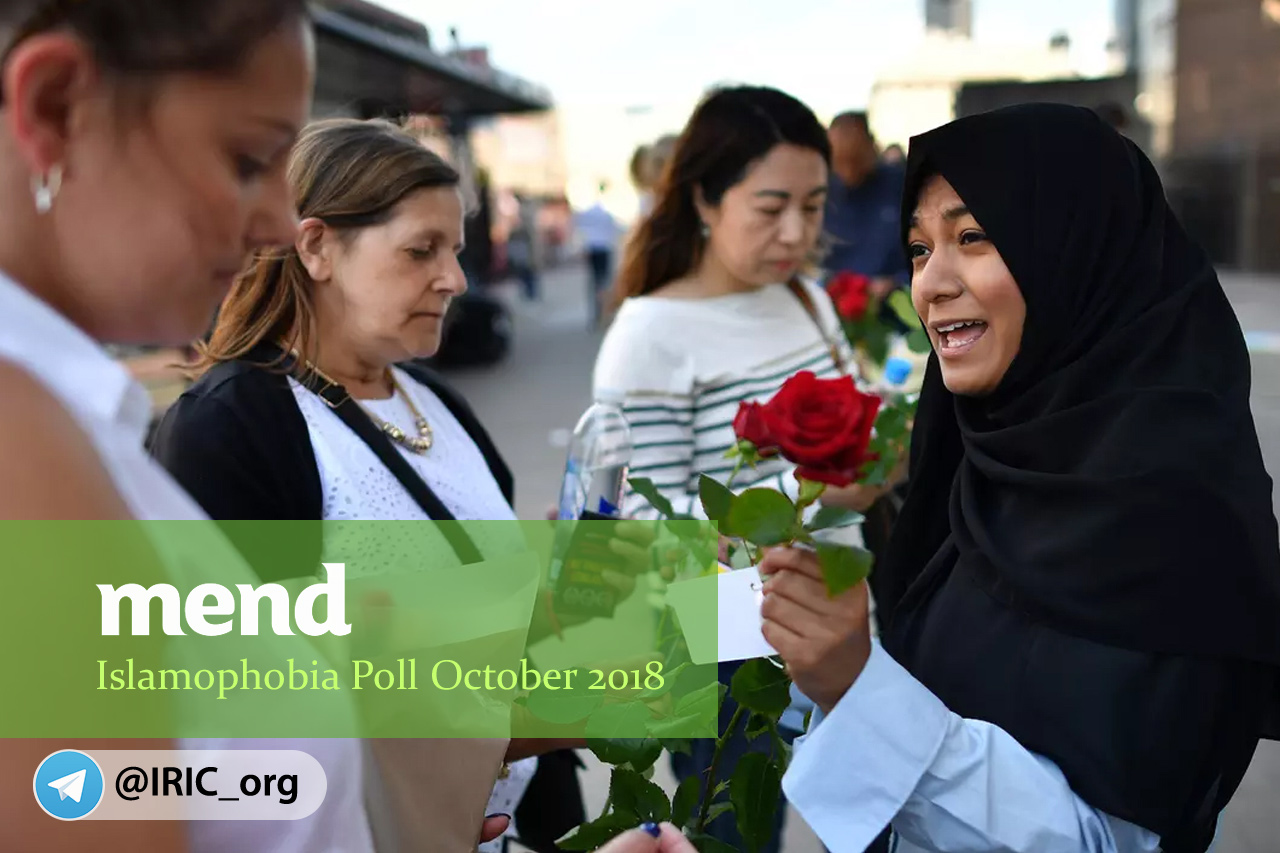
✅ نظرسنجی: پذیرش اسلام و مسلمانان توسط اکثریت بریتانیاییها و مقاومت اقلیت قدرتمند
مطابق نظرسنجی اخیر مرکز توسعه و تعامل مسلمانان در انگلستان (MEND) که در نیمهی اکتبر 2018 از 2000 نفر انجام شد، اکثریت مردم بریتانیا اسلام و مسلمانان را پذیرفته اند، گر چند اقلیتی قدرتمند نمیتوانند آنها را بپذیرند.
بنا بر این گزارش، 58% جوانان بریتانیا، اسلامهراسی را معضلی جدی در جامعهی امروز میدانند و 48% افراد معتقدند که خشونت و کینهجویی علیه اسلام، زندگی را برای مسلمانان این کشور سخت نموده است...
👈 ادامه مطلب
✅ Poll: Most Britons tolerant of Islam and Muslims, but strong minority isn’t
The ComRes survey of over 2,000 people was conducted between October 15-16 and was commissioned by Muslim group MEND.
The survey found that: 58% of British adults agree Islamophobia is a real problem in today’s society. 48% agree prejudice against Islam makes it difficult to be a Muslim in this country...
👉 Read more
🔎 #Islamic_News #Statistics
@IRIC_org
📊 گزارشی از ترکیب مذهبی اعضای کنگره جدید آمریکا
مطابق تحلیل اخیر مرکز تحقیقات پیو (Pew Research Center) روی اطلاعات کنگره، صد و شانزدهمین کنگره آمریکا در مقایسه با کنگرههای پیشین، از تنوع مذهبی بیشتری برخوردار است؛ اگر چه همچنان مسیحیان اکثر کرسیها را به خود اختصاص دادهاند. بر اساس این گزارش:
1️⃣ ترکیب دینی این کنگره بسیار متفاوت با ترکیب دینی جمعیت بزرگسال آمریکاست.
2️⃣ تعداد افراد غیر مسیحی این دوره به 63 نفر رسیده است که عبارتند از : 34 نفر یهودی، 2 نفر بودائی، 3 نفر مسلمان، 3 نفر هندو، 2 نفر جهان گرای توحید گرا، 1 نفر بدون مذهب و 18 نفر نیز وابستگی مذهبی خودشان را ابراز نکردهاند.
3️⃣ بیشترین تغییر در ترکیب فعلی در مورد پروتستانهای نامشخص (گروهی از مسیحیان که وابستگی خود به فرقه خاصی را مشخص نمیکنند) میباشد که تعدادشان به 16 نفر رسیده است...
👈 ادامه مطلب
📊 5 facts about the religious makeup of the 116th Congress
The new Congress is slightly more religiously diverse than its predecessor, but it remains overwhelmingly Christian, according to a new Pew Research Center analysis of congressional data. Here are five facts about the religious affiliation of members of Congress:
1️⃣ The religious composition of the new Congress is very different from that of the U.S. adult population.
2️⃣ While Congress remains overwhelmingly Christian, the number of non-Christian members has risen to 63. Most non-Christian members of Congress are Jewish (34), but there are also two Buddhists, three Muslims, three Hindus, two Unitarian Universalists, one unaffiliated member and 18 who decline to specify a religious affiliation.
3️⃣ The largest change in the new Congress comes in the “unspecified/other” Protestant category, which gained 16 seats. (“Unspecified/other” Protestants include those who say they are Christian, evangelical Christian, evangelical Protestant or Protestant, without specifying a denomination.)...
👉 Read more
🔎 #Islamic_News #Statistics
@IRIC_org

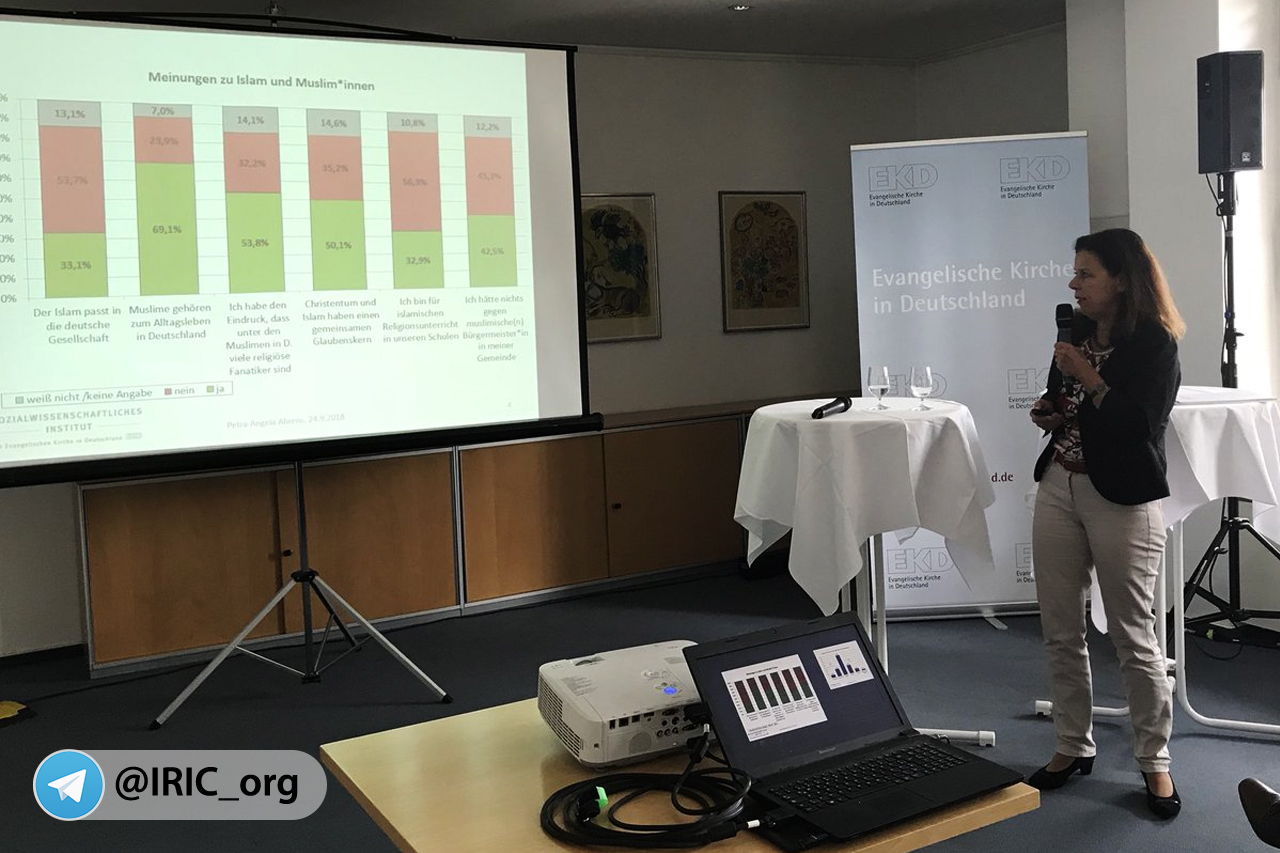
📊 نظرسنجی کلیسای انجیلی آلمان پیرامون موضعگیری در قبال اسلام
مؤسسه علوم اجتماعی کلیسای انجیلی در آلمان (EKD) نتایج مطالعه جدیدی را با عنوان "اسلام و مسلمانان در آلمان: دیدگاههای جامعه" منتشر کرده است که در آن 2000 نفر دیدگاهشان در خصوص جایگاه اسلام در آلمان را بیان کردهاند.
نتایج این نظرسنجی که به نظر میرسد تنها از کاتولیکها، پروتستانها و افراد بدون وابستگی دینی جمعآوری شده باشد، نشان میدهد که تنها 33% از پاسخدهندگان موافقند که اسلام با جامعه آلمان سازگار است و 54% از آنها مخالف این نظر میباشند...
👈 ادامه مطلب
📊 German Evangelical Church conducts survey, ponders stance on Islam
The Social Science Institute of the Evangelical Church in Germany (EKD) has published a new study titled “Islam and Muslims in Germany: The population’s view”. Just over 2000 respondents were questioned on the phone with respect to their perception of Islam’s place in German society.
Although it is not stated explicitly, throughout the presentation of the findings the reader is led to assume that only Protestant, Catholic, and unaffiliated respondents were contacted to participate in the survey.
The survey report shows that only 33 per cent of respondents agree that “Islam fits with German society” (54 per cent reject this claim)...
👉 Read more
🔎 #Islamic_News #Statistics
@IRIC_org
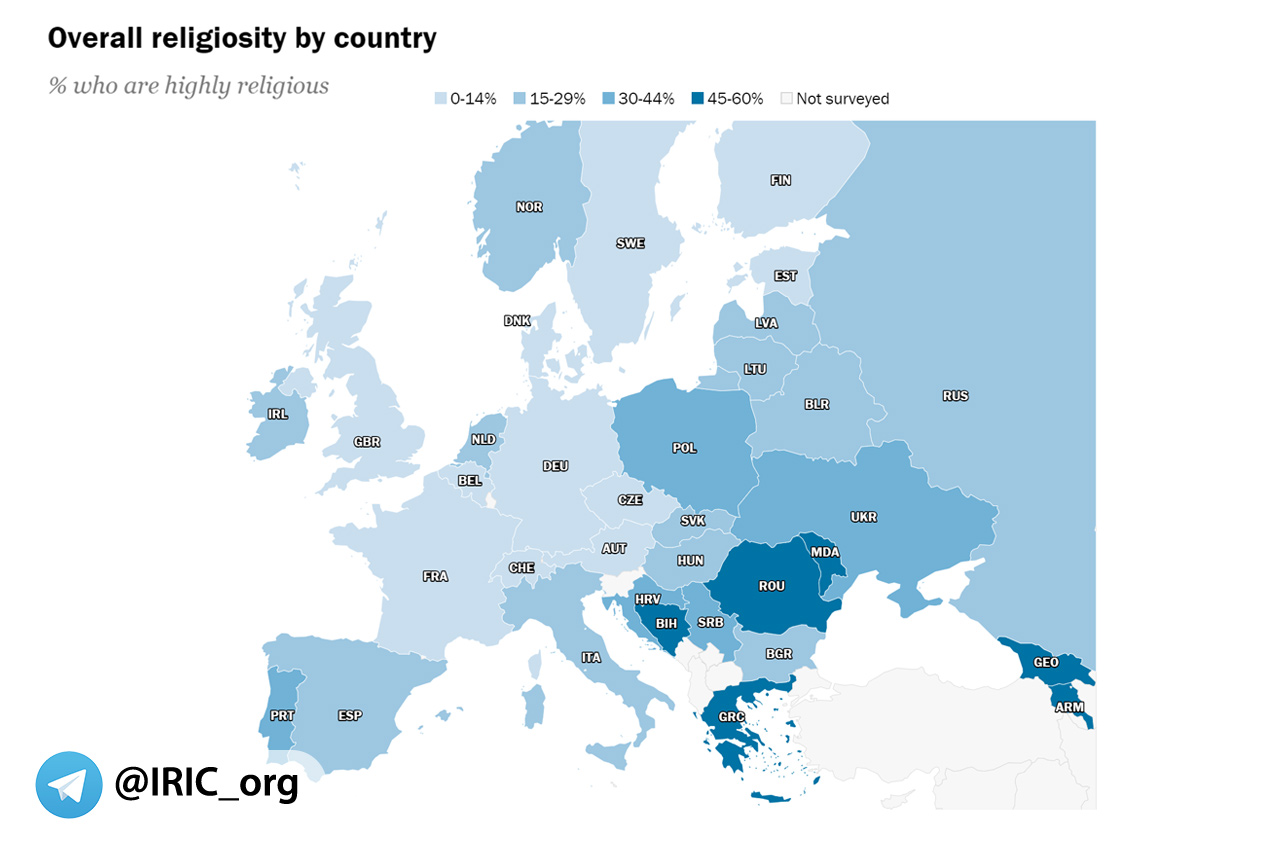
📊 نقشه میزان دینداری در کشورهای اروپایی
اروپاییها به طور کلی در مقایسه با سایر مردم جهان کمتر مذهبی هستند؛ اما مطابق گزارش مرکز تحقیقات پیو (Pew Research Center) از آخرین نظرسنجیها در 34 کشور اروپایی، تفاوتهای چشمگیری در سطحدینداری مردم این کشورها وجود دارد. با استفاده از نقشهای که بر اساس این اطلاعات تهیه شده، میتوان وضعیت دینداری مردمان هر یک از این کشورها را در مقایسه با سایر کشورها مشاهده کرد.
فاکتورهای استفاده شده در این تحقیق برای تعریف تعهد دینی عبارتند از: شرکت در مراسم دینی، میزان توجه به عبادات روزانه و نماز، اعتقاد به خداوند، و اظهارات خود افراد در خصوص میزان اهمیت دین در زندگیشان.
🔗 مشاهده نقشه
👈 ادامه مطلب
📊 Map: How do European countries differ in religious commitment?
Europeans generally are less religious than people in other parts of the world. But within Europe, there are sometimes sizable differences in levels of religious commitment, according to an analysis of recent Pew Research Center surveys in 34 countries.
To learn more about religion in the nations of Europe, select a country to see where it ranks in overall religiosity.
For this analysis, we looked at four common measures of religious observance: religious service attendance, prayer frequency, belief in God and self-described importance of religion in one’s life.
🔗 View the Map
👉 Read more
🔎 #Islamic_News #Statistics
@IRIC_org
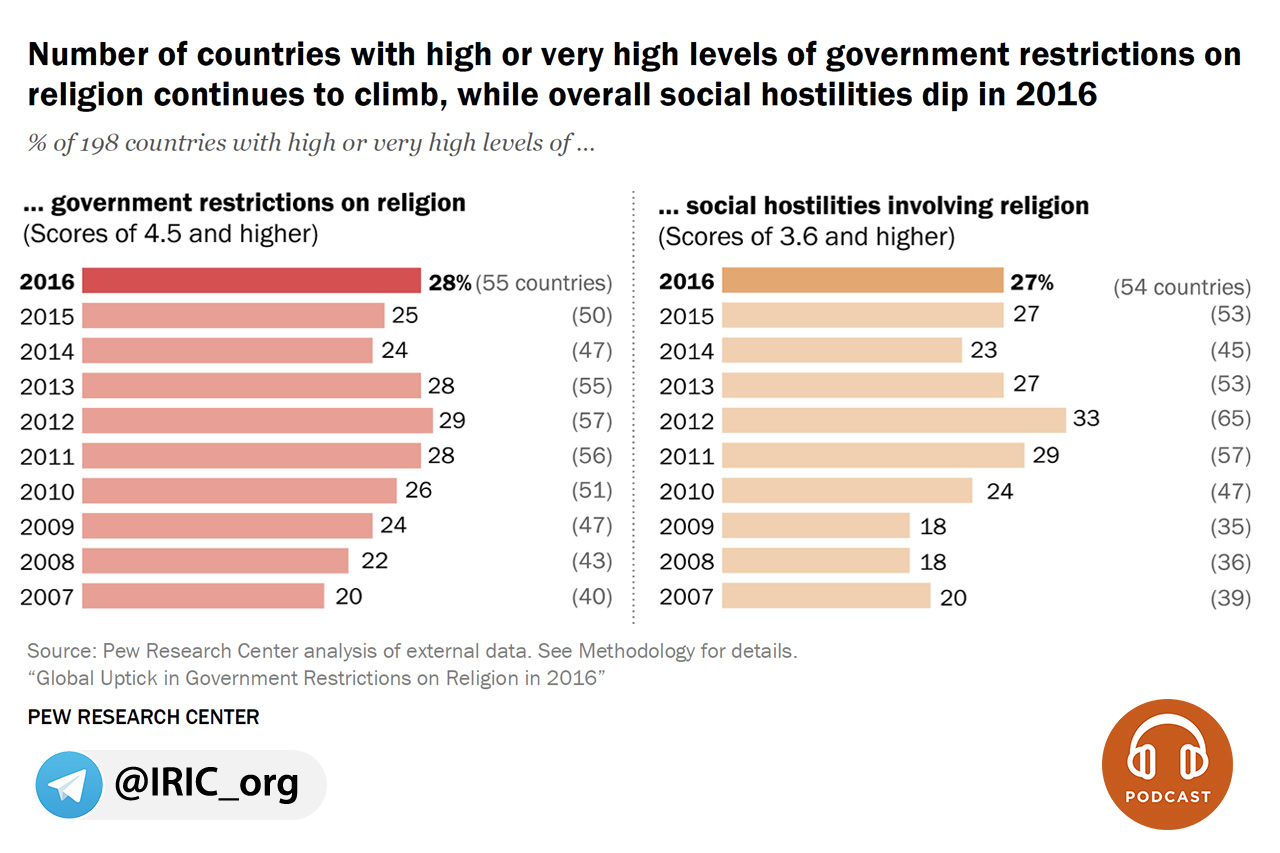
🎧 پادکست: مطالعه جهانی پیرامون محدودیتها و خصومتهای اجتماعی اعمال شده توسط حکومتها علیه ادیان
طبق گزارش مرکز تحقیقات پیو (Pew Research Center)، محدودیتهای اعمال شده توسط حکومتها علیه ادیان از سال 2016 در سراسر جهان افزایش یافته است، گرچه خصومتهای اجتماعی روند رو به رشدی نداشته است.
در سال 2016، 83 کشور محدودیتهای "زیاد" یا "خیلی زیاد" بر ادیان داشته اند در حالی که در سال 2015، 80 کشور و در سال 2007، 58 کشور این محدودیتها را اعمال کرده اند.
در این پادکست با دکتر کتایون کیشی که در این موضوع تحقیق نموده، گفتگو شده است...
👈 ادامه مطلب
🎧 Podcast: A Global Study on Government Restrictions and Social Hostilities Related to Religion
Restrictions on religion rose around the globe in 2016, according to Pew Research Center’s annual study of global restrictions on religion. The share of countries with “high” or “very high” levels of government restrictions on religious beliefs and practices rose, but the share of countries with “high” or “very high” levels of social hostilities involving religion remained stable. In total in 2016, 83 countries (42%) had high or very high levels of overall restrictions on religion – whether resulting from government actions or from hostile acts by private individuals, organizations and social groups–up from 80 (40%) in 2015 and 58 (29%) in 2007.
In this podcast, we speak with Dr. Katayoun Kishi, who oversaw the ninth in a series of reports by Pew Research Center analyzing the extent to which governments and societies around the world impinge on religious beliefs and practices...
👉 Read more
🔎 #Islamic_News #Statistics #Podcast
@IRIC_org
✅ آمریکاییها میگویند جنبههای مذهبی کریسمس در زندگی عمومی مردم کمرنگ شده است
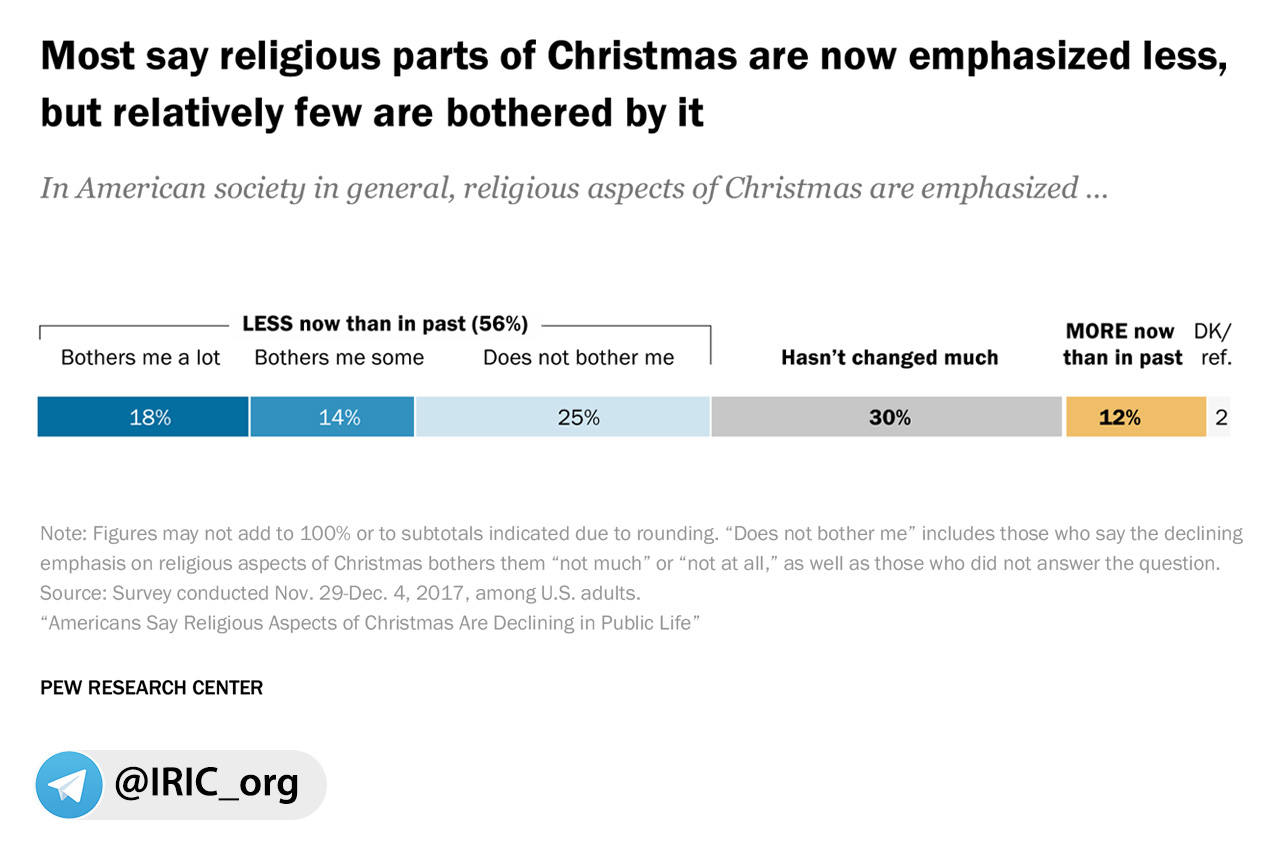
گزارش جدید مرکز تحقیقات پیو (Pew Research Center) نشان میدهد اغلب بزرگسالان در آمریکا معتقدند که جنبههای مذهبی تعطیلات کریسمس در مقایسه با گذشته کمرنگ تر شده است، و گروه اندکی از این تغییرات اظهار ناراحتی کرده اند.
طبق این نظرسنجی 55% افراد کریسمس را به عنوان تعطیلات دینی جشن میگیرند، که از این تعداد، 49% معتقدند کریسمس بیشتر یک تعطیلات مذهبی میباشد تا آنکه تعطیلات فرهنگی باشد و حدود 9% گفته اند که کریسمس را به عنوان تعطیلات فرهنگی-مذهبی قبول دارند، در حالی که این تعداد در سال 2013 به ترتیب 59%، 51% و 7% بودند...
👈 ادامه مطلب
✅ Americans say religious aspects of Christmas are declining in public life
A new Pew Research Center survey finds that most U.S. adults believe the religious aspects of Christmas are emphasized less now than in the past – even as relatively few Americans are bothered by this trend.
Currently, 55% of U.S. adults say they celebrate Christmas as a religious holiday, including 46% who see it as more of a religious holiday than a cultural holiday and 9% who celebrate Christmas as both a religious and a cultural occasion. In 2013, 59% of Americans said they celebrated Christmas as a religious holiday, including 51% who saw it as more religious than cultural and 7% who marked the day as both a religious and a cultural holiday...
👉 Read more
🔎 #Islamic_News #Statistics
@IRIC_org
📊 نیمی از نفرتپراکنیهای اینترنتی در سوئد، مسلمانان را هدف قرار داده است
مطابق گزارش گروه رصد گفتارهای نفرتانگیز آنلاین، بین سالهای 2017 و 2018 نیمی از جنایات نفرتانگیز اینترنتی در سوئد، علیه مسلمانان صورت گرفته است. بر اساس گزارشهای پلیس میزان این جنایات به طور کلی دو برابر و در شهرهای شمالی سوئد سه برابر شده است. 50% این جرایم علیه مسلمانان، 22% علیه پناهجویان و 21% علیه آفریقاییها صورت گرفته است...
👈 ادامه مطلب
📊 Sweden: Half of internet hate crimes target Muslims
Half of the hate crimes on the internet were committed against Muslims in Sweden in 2017-2018, according to the head of online hate speech monitoring group. Manager at Online Hate Speech Monitor Tomas Aberg said police reports showed rates of hate crimes committed over the internet doubling during this period, and tripling in northern cities. “50 percent of these crimes are committed against Muslims, 22% against asylum seekers and 21% against African descents,” he said on Swedish state TV channel SVT...
👉 Read more
🔎 #Islamic_News #Statistics
@IRIC_org
📊 گزارش: مردم دنیا نقش دین را در کشورهای خود چگونه میبینند؟
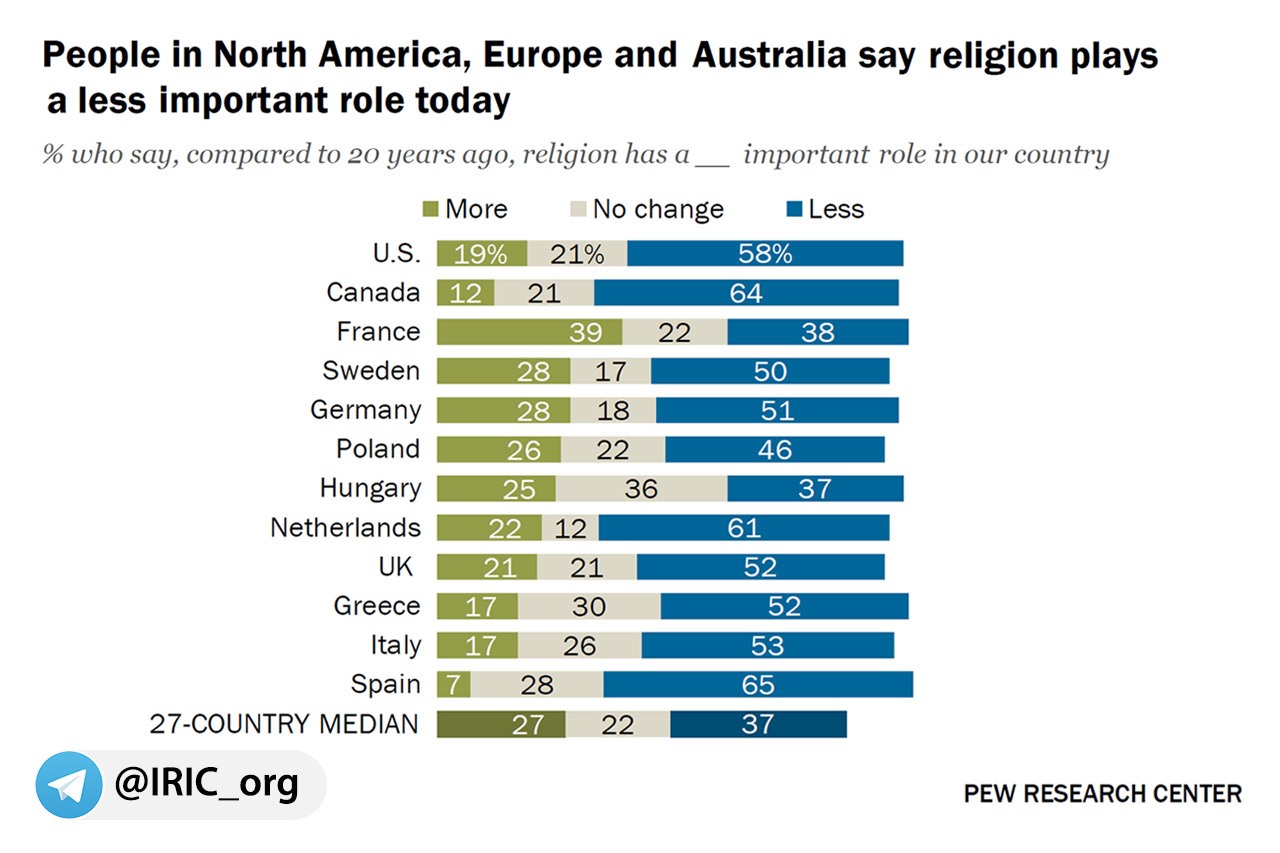
مطالعات اخیر نشان می دهد جوانان در مقایسه با نسل های قبل، کمتر مذهبی هستند. نظرسنجیهای صورت گرفته در 27 کشور نشان میدهد در مقایسه با بیست سال قبل، دین نقش کمرنگتری را در زندگی افراد دارد، اگر چه دو نفر از هر ده نفر معتقدند تغییرات خاصی در این موضوع صورت نگرفته است.
از میان کشورهایی که این نظرسنجی در آنها انجام شده، در کشورهای آمریکای شمالی و اروپایی نقش دین در زندگی مردم رو به افول گزارش شده است و اکثریت افراد شرکتکننده در کانادا (64%) و آمریکا (58%) معتقدند این افت در بیست سال گذشته محسوس بوده است. این آمار در اروپا 52% میباشد. اگرچه در فرانسه تعداد افرادی که معتقدند نقش دین کمرنگتر از قبل شده است (38%) با کسانی که معتقدند اتفاقا نقش دین پررنگ تر شده است (39%) تقریبا برابر است...
👈 ادامه مطلب
📊 How people around the world view religion’s role in their countries
Recent studies document younger adults being less religious than older generations. Across 27 countries surveyed, more think religion plays a less important role than a more important role compared with 20 years ago, but there is substantial regional variation on this question. About two-in-ten say there has been no change.
North American and European publics are especially likely to see religion playing a diminished role in recent times. Majorities in both the U.S. (58%) and Canada (64%) say religion has a less important role than it did 20 years ago. Roughly half of Europeans surveyed (a median of 52%) say religion plays a less important in their country. The French public is split on this question, with 38% who say religion plays a less important role and 39% who say it has a more important role today...
👉 Read more
🔎 #Islamic_News #Statistics
@IRIC_org
📊 دین و تنظیم خانواده در سراسر دنیا
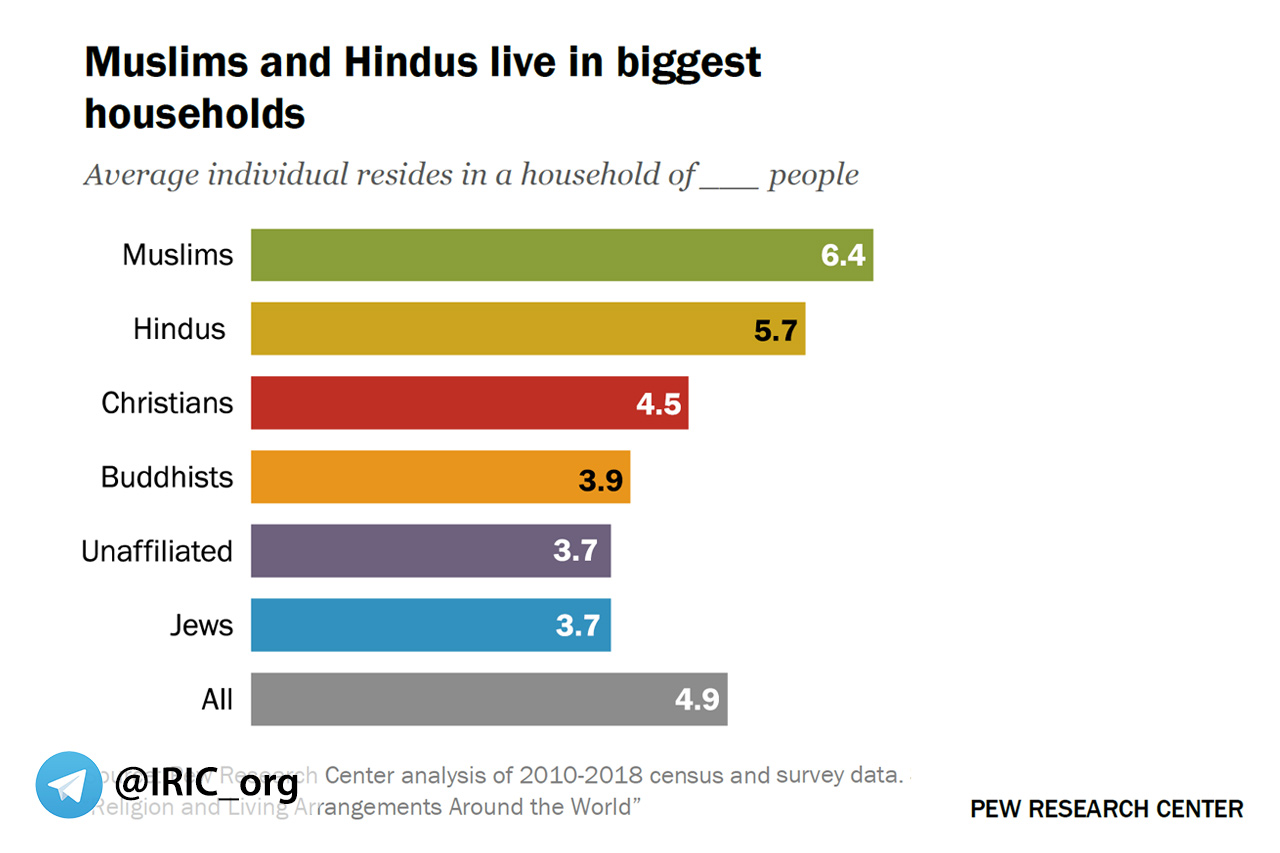
گزارش اخیر مرکز تحقیقاتی پیو و تجزیه و تحلیل آمار مربوط به 130 کشور و منطقه نشان می دهد که ترکیب و جمعیت خانواده ها اغلب تحت تأثیر اعتقادات و باورهای دینی می باشد.
مطابق این تحقیق جمعیت خانواده های مسلمان و بعد از آن هندوها در دنیا از پیروان سایر ادیان بیشتر است. به طور متوسط هر فرد مسلمان در خانه ای با 6.4 نفر عضو زندگی می کند و پس از آن هندوها با 5.7 نفر عضو قرار دارند. مسیحیان در وسط قرار می گیرند (4.5) که شامل خانواده های نسبتاً بزرگ مسیحی در جنوب صحرای آفریقا و خانواده های کوچکتر در اروپا می باشند...
👈 ادامه مطلب
📊 Religion and Living Arrangements Around the World
Muslims and Hindus have larger households than Christians and religious ‘nones,’ in patterns influenced by regional norms. A new Pew Research Center analysis of data from 130 countries and territories reveals that the size and composition of households often vary by religious affiliation.
Worldwide, Muslims live in the biggest households, with the average Muslim individual residing in a home of 6.4 people, followed by Hindus at 5.7. Christians fall in the middle (4.5), forming relatively large families in sub-Saharan Africa and smaller ones in Europe...
👉 Read more
🔎#Islamic_News #Statistics
@IRIC_org