
📄 Iranian shot putter wins gold in Asian Para Games
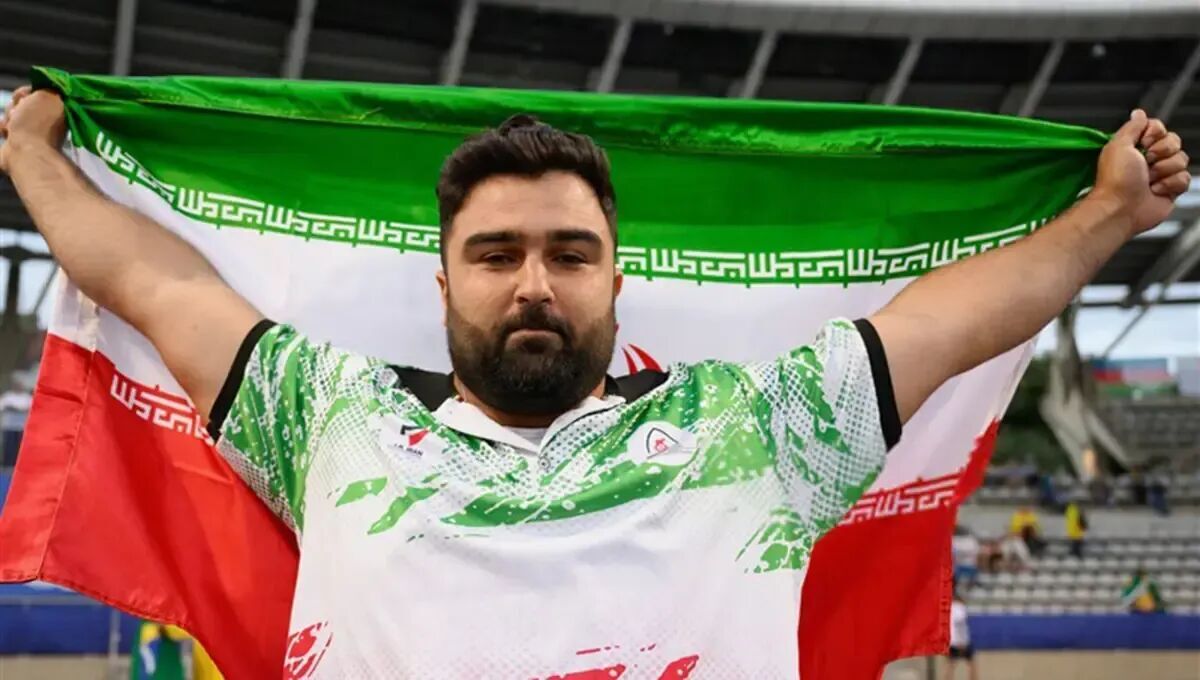
Khosravi claimed gold in the men’s F57 shot put at the conclusion of the second day of para-athletics events at the 5th Asian Para Games.
He recorded a distance of 15.25 meters to win the gold medal. His performance also set a new record at the Asian Para Games, surpassing the previous record held by a Chinese athlete.
📲 @Irna_en
📌 Nagoya, IRNA – Shot putter Yasin Khosravi from Iran has won the gold medal at the para-athletics competition at the 2026 Asian Para Games in Nagoya, Japan.
Khosravi claimed gold in the men’s F57 shot put at the conclusion of the second day of para-athletics events at the 5th Asian Para Games.
He recorded a distance of 15.25 meters to win the gold medal. His performance also set a new record at the Asian Para Games, surpassing the previous record held by a Chinese athlete.
📲 @Irna_en
👏8👍4
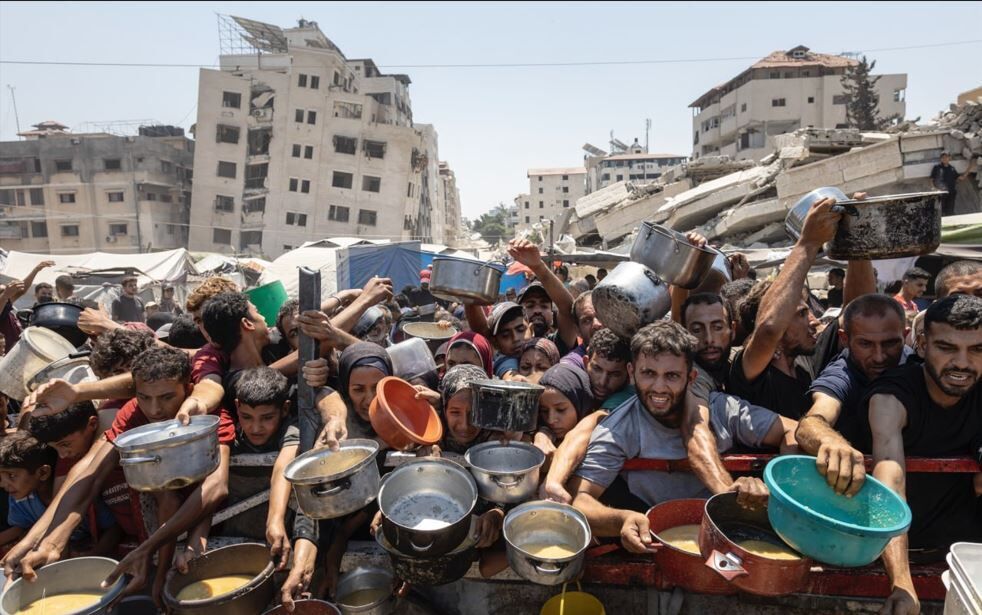
🔊 Gaza urges Arab, Islamic countries to act to break siege
In an appeal cited by Shahab News on Tuesday, the office stressed the need for immediate action to address the consequences of aid cuts as the humanitarian situation deteriorates amid the ongoing siege and the collapse of essential services.
Residents of Gaza face growing needs for food, medicine and shelter, while reductions in humanitarian assistance threaten to deepen the suffering of families dependent on aid to meet their basic needs.
The appeal comes as Palestinian experts warn of the humanitarian and economic consequences of the World Food Program’s decision to suspend food assistance to nearly half a million Palestinians in Gaza because of funding shortages.
The United Nations agency recently announced that it had halted food assistance to 500,000 people in the territory due to a lack of financial resources.
The WFP said the number of people receiving monthly assistance in Gaza had fallen from 1.6 million to 1.1 million.
Palestinian experts warned that the cuts would further aggravate hardship among Gaza’s residents, who continue to face the effects of the Israeli-imposed siege and worsening humanitarian conditions.
📲 @Irna_en
📌 Tehran, IRNA – The Government Media Office in the Gaza Strip has called on Arab and Islamic countries to intervene urgently to break the siege imposed on the territory, warning that cuts to aid could have catastrophic consequences for Palestinians.
In an appeal cited by Shahab News on Tuesday, the office stressed the need for immediate action to address the consequences of aid cuts as the humanitarian situation deteriorates amid the ongoing siege and the collapse of essential services.
Residents of Gaza face growing needs for food, medicine and shelter, while reductions in humanitarian assistance threaten to deepen the suffering of families dependent on aid to meet their basic needs.
The appeal comes as Palestinian experts warn of the humanitarian and economic consequences of the World Food Program’s decision to suspend food assistance to nearly half a million Palestinians in Gaza because of funding shortages.
The United Nations agency recently announced that it had halted food assistance to 500,000 people in the territory due to a lack of financial resources.
The WFP said the number of people receiving monthly assistance in Gaza had fallen from 1.6 million to 1.1 million.
Palestinian experts warned that the cuts would further aggravate hardship among Gaza’s residents, who continue to face the effects of the Israeli-imposed siege and worsening humanitarian conditions.
📲 @Irna_en
👍7🙏4💯3💔2
📄 Pezehshkian says Iran will defend its territory at all costs
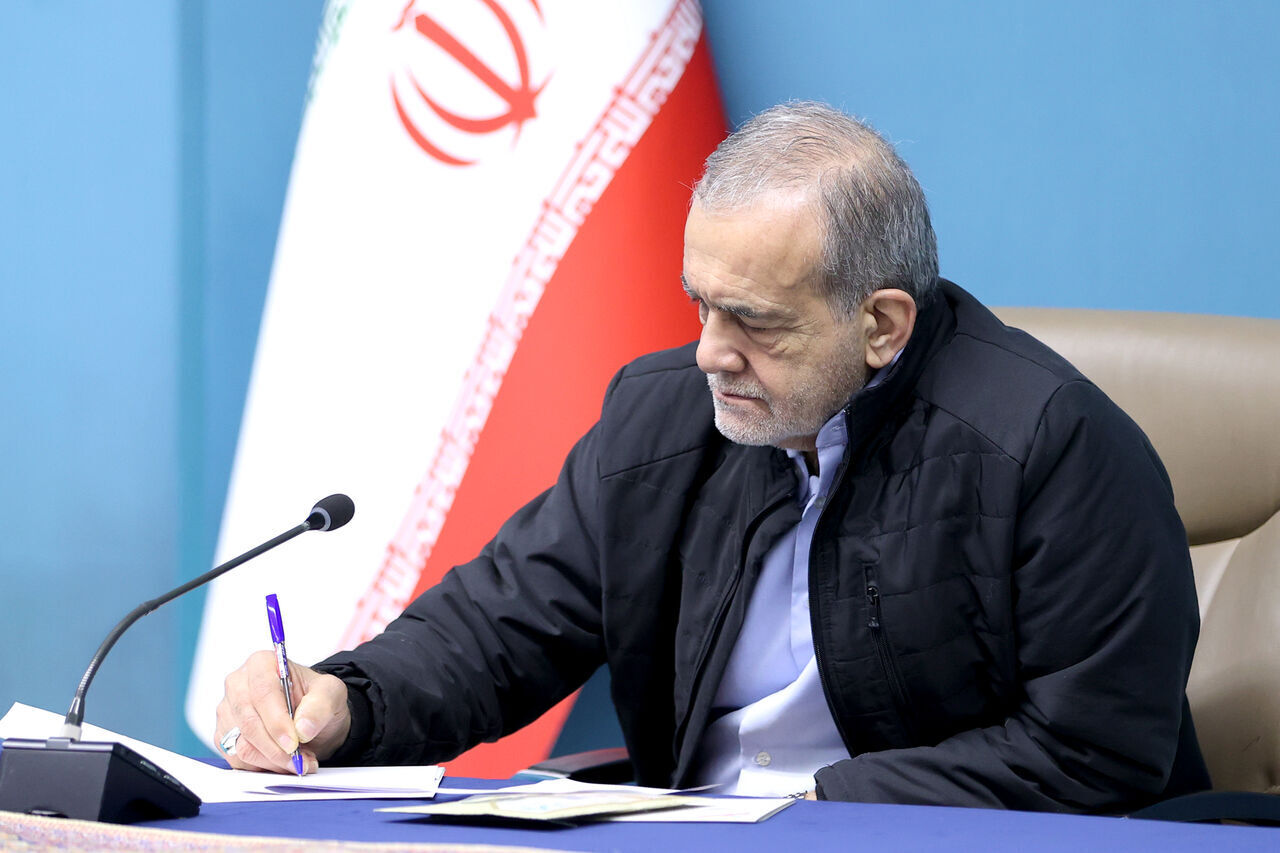
“Sattar Khan fought for an ideal he considered worthy of Iran: freedom, law and the nation’s dignity,” Pezeshkian wrote in a post on X on Tuesday on the occasion of Sattar Khan’s birth anniversary.
Iran takes pride in figures like Sattar Khan, men who gave meaning to their values not merely through words but through their steadfastness, he added.
Pezeshkian said the Iranians may endure hardship, but we will not surrender their land.
📲 @Irna_en
📌 Tehran, IRNA – President Masoud Pezeshkian says Iran will not surrender its territory, invoking the legacy of constitutional revolutionary figure Sattar Khan.
“Sattar Khan fought for an ideal he considered worthy of Iran: freedom, law and the nation’s dignity,” Pezeshkian wrote in a post on X on Tuesday on the occasion of Sattar Khan’s birth anniversary.
Iran takes pride in figures like Sattar Khan, men who gave meaning to their values not merely through words but through their steadfastness, he added.
Pezeshkian said the Iranians may endure hardship, but we will not surrender their land.
📲 @Irna_en
👏8👍1🔥1
🌍 Iran parliamentary commission reviews plan to expand Air Force capabilities
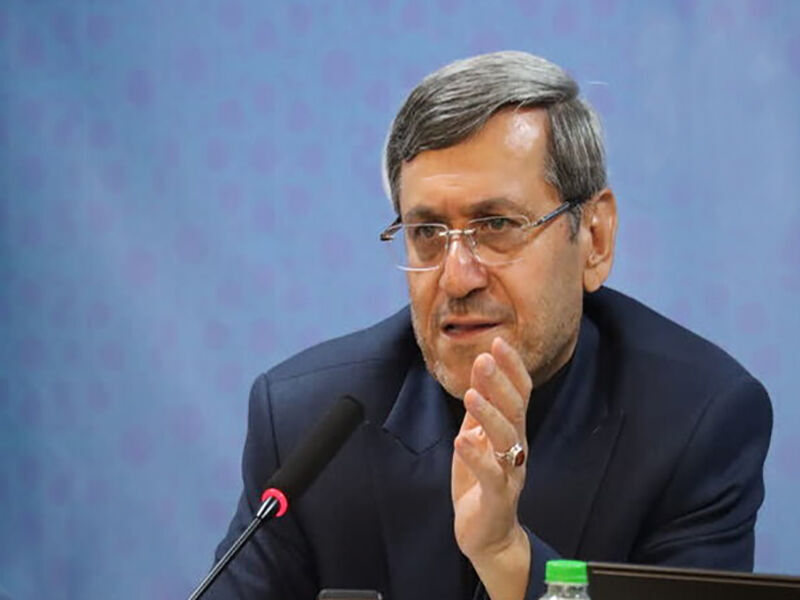
The spokesperson for the National Security Committee, Hassan Qashqavi, said that during the meeting, the Parliament’s capacity to help strengthen the Air Force’s capabilities and ways to secure the required financial resources were discussed.
The spokesman noted that during the meeting, the commander briefed the members of the National Security Committee on the experiences gained during the enemies’ aggressive war against Iran.
Lawmakers also expressed their appreciation for the efforts and sacrifices of the Air Force personnel.
📲 @Irna_en
📌 Tehran, IRNA – A plan to expand the Iran Army Air Force’s capabilities was reviewed during a Parliament’s National Security and Foreign Policy Commission meeting with the Air Force commander.
The spokesperson for the National Security Committee, Hassan Qashqavi, said that during the meeting, the Parliament’s capacity to help strengthen the Air Force’s capabilities and ways to secure the required financial resources were discussed.
The spokesman noted that during the meeting, the commander briefed the members of the National Security Committee on the experiences gained during the enemies’ aggressive war against Iran.
Lawmakers also expressed their appreciation for the efforts and sacrifices of the Air Force personnel.
📲 @Irna_en
❤7👍1
Media is too big
VIEW IN TELEGRAM
France needs to make a choice: stand with its own students or continue supporting wars?
#TheInsight
📲 @Irna_en
#TheInsight
📲 @Irna_en
❤10💯3
⚡️ President Pezeshkian meets Pakistani Army Chief
Pakistani Army Chief Syed Asim Munir had arrived earlier on Tuesday in Tehran for an official visit.
Heading a high-ranking delegation, the Chief of Army Staff of Pakistan arrived in Tehran on Tuesday to meet and hold discussions with Iranian officials.
Bilateral relations, regional developments, diplomatic processes, the de-escalation of regional tensions, and various international issues will be the primary topics of discussion between Munir and Iranian authorities. His first scheduled engagement is a meeting with the Iranian Foreign Minister.
📲 @Irna_en
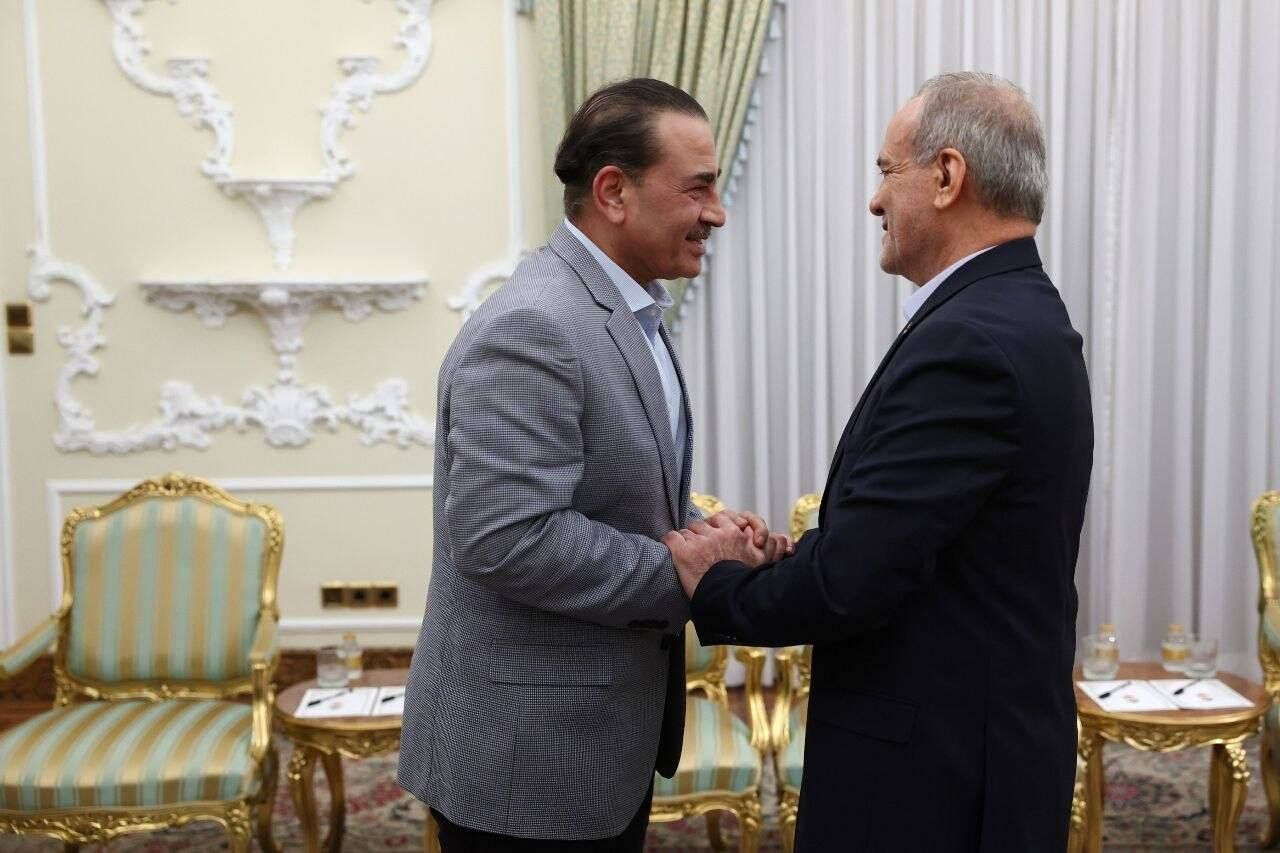
📌 Tehran, IRNA – General Asim Munir, the Chief of Army Staff of Pakistan, has met with President Masoud Pezeshkian during his visit to Tehran.
Pakistani Army Chief Syed Asim Munir had arrived earlier on Tuesday in Tehran for an official visit.
Heading a high-ranking delegation, the Chief of Army Staff of Pakistan arrived in Tehran on Tuesday to meet and hold discussions with Iranian officials.
Bilateral relations, regional developments, diplomatic processes, the de-escalation of regional tensions, and various international issues will be the primary topics of discussion between Munir and Iranian authorities. His first scheduled engagement is a meeting with the Iranian Foreign Minister.
📲 @Irna_en
👍5👎2
📡 Ghalibaf: Iran has no new words other than seven conditions for talks
Ghalibaf held talks with visiting Pakistan Army Chief Field Marshal Asim Munir in Tehran on Tuesday where he emphasized that Washington’s long history of actions against Iran has pushed mutual distrust to its highest level.
He said the US government’s violation of the Islamabad memorandum of understanding, along with repeated threats by President Donald Trump, had further deepened Iran’s distrust of Washington.
Ghalibaf said he had clearly conveyed Tehran’s position to the US vice president during the talks in the talks that led to the Islamabad MoU. He stressed that Iran’s seven conditions, presented in New York, were essential for the United States to regain Iran’s trust.
Ghalibaf said Iran was not seeking war but was fully prepared to defend its territory and national dignity. He added that US threats and military movements would not influence Iran’s strategic decisions.
Criticizing Washington’s calculations in going to war with Iran, the parliament speaker said the United States had found itself in a quagmire as a result of its miscalculations and was now responsible for taking the necessary steps to extricate itself from the situation.
During the meeting, Ghalibaf also expressed appreciation for the support of the Pakistani government and people for Iran during the war and diplomatic negotiations, describing relations between the two countries as brotherly.
Munir, for his part, conveyed greetings from Pakistani National Assembly Speaker Ayaz Sadiq and Prime Minister Shehbaz Sharif and reaffirmed Islamabad’s commitment to continued cooperation with Tehran.
Responding to Ghalibaf’s questions about cross-border exchanges between the two countries, Munir said the border issues had been temporary and technical in nature and that the Iran-Pakistan border had reopened on Tuesday.
📲 @Irna_en
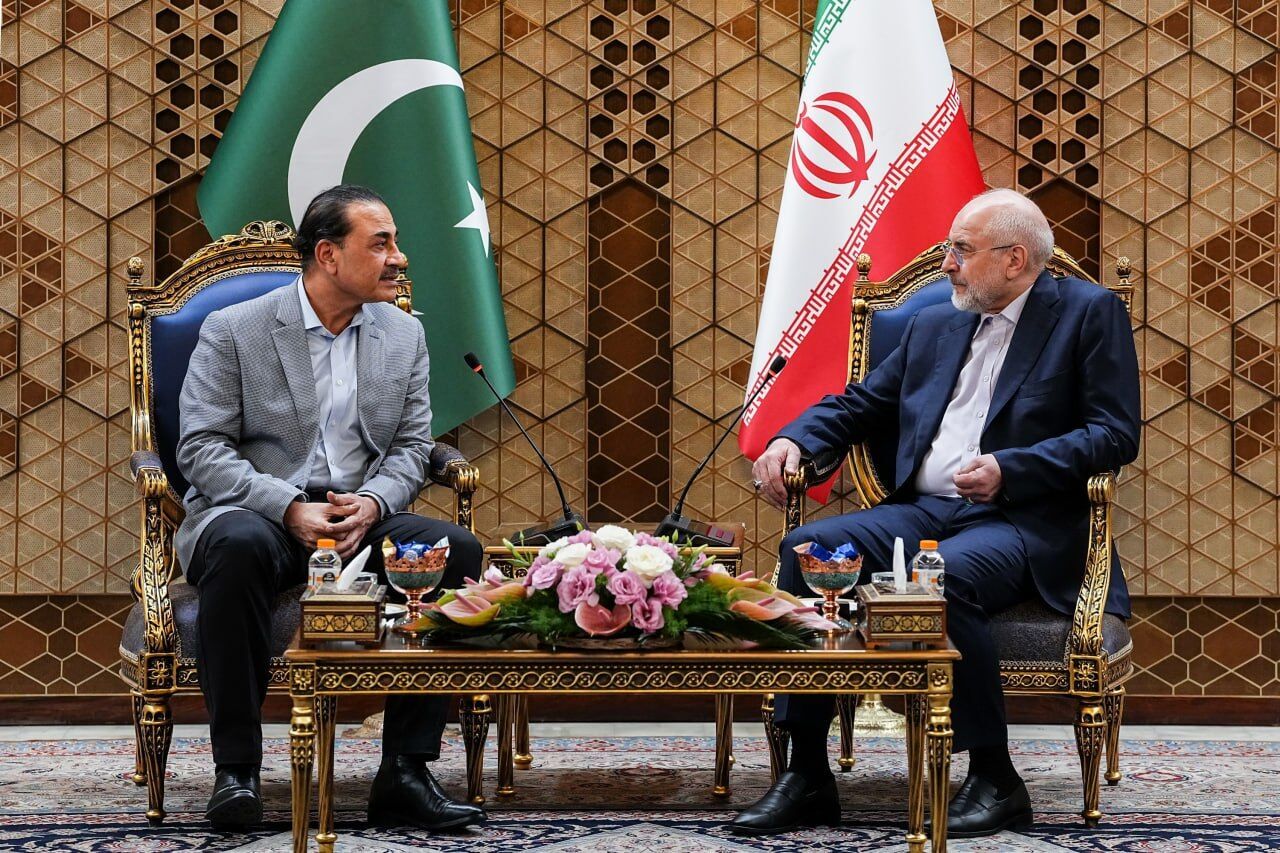
📌 Tehran, IRNA – Iranian Parliament Speaker Mohammad Bagher Ghalibaf told Pakistani mediator Army chief Field Marshal Asim Munir that Iran has nothing new other than its previous seven conditions for US talks.
Ghalibaf held talks with visiting Pakistan Army Chief Field Marshal Asim Munir in Tehran on Tuesday where he emphasized that Washington’s long history of actions against Iran has pushed mutual distrust to its highest level.
He said the US government’s violation of the Islamabad memorandum of understanding, along with repeated threats by President Donald Trump, had further deepened Iran’s distrust of Washington.
Ghalibaf said he had clearly conveyed Tehran’s position to the US vice president during the talks in the talks that led to the Islamabad MoU. He stressed that Iran’s seven conditions, presented in New York, were essential for the United States to regain Iran’s trust.
Ghalibaf said Iran was not seeking war but was fully prepared to defend its territory and national dignity. He added that US threats and military movements would not influence Iran’s strategic decisions.
Criticizing Washington’s calculations in going to war with Iran, the parliament speaker said the United States had found itself in a quagmire as a result of its miscalculations and was now responsible for taking the necessary steps to extricate itself from the situation.
During the meeting, Ghalibaf also expressed appreciation for the support of the Pakistani government and people for Iran during the war and diplomatic negotiations, describing relations between the two countries as brotherly.
Munir, for his part, conveyed greetings from Pakistani National Assembly Speaker Ayaz Sadiq and Prime Minister Shehbaz Sharif and reaffirmed Islamabad’s commitment to continued cooperation with Tehran.
Responding to Ghalibaf’s questions about cross-border exchanges between the two countries, Munir said the border issues had been temporary and technical in nature and that the Iran-Pakistan border had reopened on Tuesday.
📲 @Irna_en
👍7
⚡️ Rezaei: Enriched uranium will not exit Iran by any means
In the meeting with visiting Pakistani Army Chief Asim Munir, Rezaei described Iran’s enriched nuclear material as a major national asset and said it would remain in the country for domestic use.
He said Iran’s officials and people were united on the issue, adding that no negotiations with Washington would take place until the United States took steps to build trust. Rezaei emphasized that fulfilling Iran’s conditions would be the starting point for that process.
He also underscored the brotherly ties between the Iranian and Pakistani peoples.
Munir, for his part, announced that the border between Iran and Pakistan had reopened, saying that border-related problems had been resolved and crossings had resumed operations on Tuesday morning.
The Pakistani army chief also praised the resistance of Iran’s armed forces during the 40-day war and stressed the importance of expanding regional cooperation between Tehran and Islamabad without the involvement of foreign powers.
📲 @Irna_en
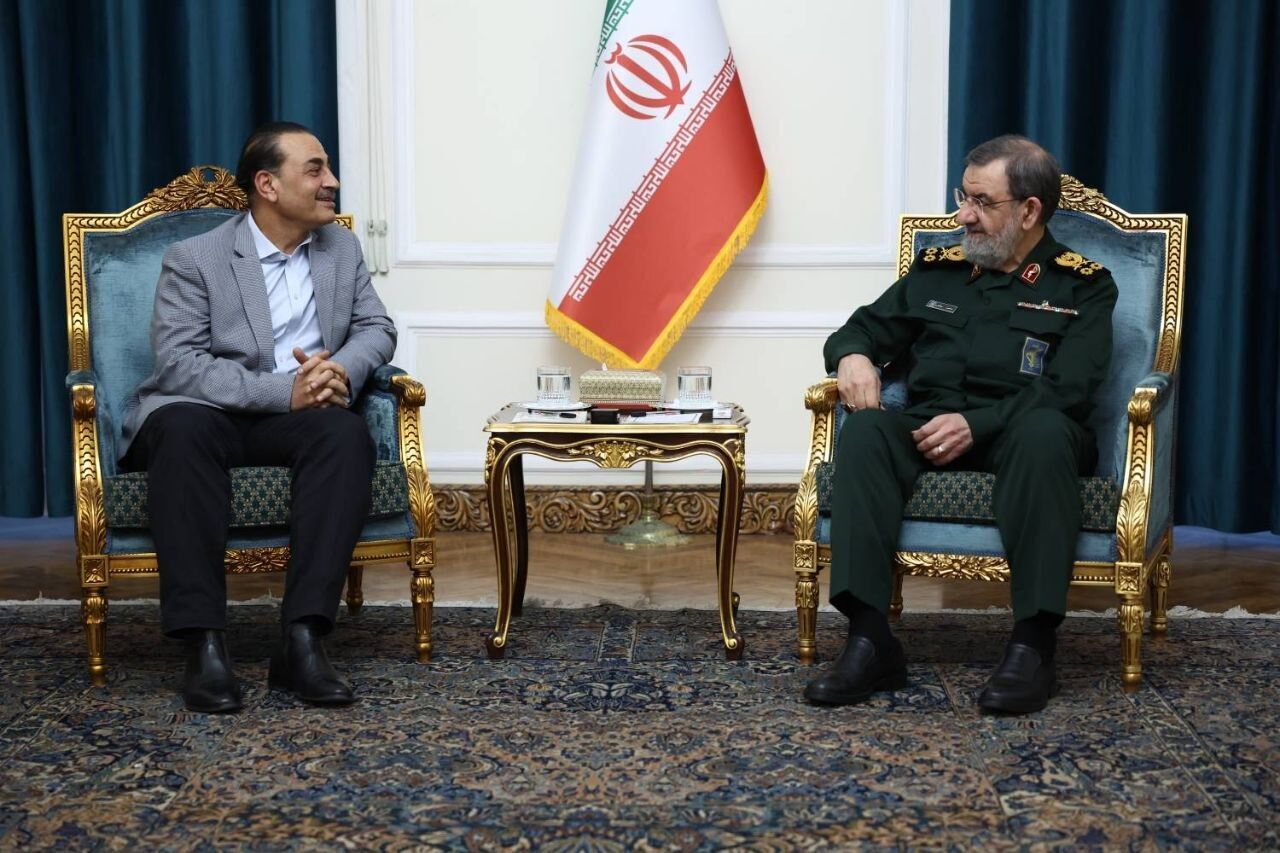
📌 Tehran, IRNA – Secretary of Supreme National Security (SNSC) Major General Mohsen Rezaei told Pakistani mediator Field Marshal Asim Munir on Tuesday evening that even a particle of enriched uranium will not exit Iran at all.
In the meeting with visiting Pakistani Army Chief Asim Munir, Rezaei described Iran’s enriched nuclear material as a major national asset and said it would remain in the country for domestic use.
He said Iran’s officials and people were united on the issue, adding that no negotiations with Washington would take place until the United States took steps to build trust. Rezaei emphasized that fulfilling Iran’s conditions would be the starting point for that process.
He also underscored the brotherly ties between the Iranian and Pakistani peoples.
Munir, for his part, announced that the border between Iran and Pakistan had reopened, saying that border-related problems had been resolved and crossings had resumed operations on Tuesday morning.
The Pakistani army chief also praised the resistance of Iran’s armed forces during the 40-day war and stressed the importance of expanding regional cooperation between Tehran and Islamabad without the involvement of foreign powers.
📲 @Irna_en
💯10❤2👍2😱1
🌍 Pakistani Army chief departs for Islamabad
During his brief, several-hour visit to Tehran, the Commander of the Pakistani Army met and held talks with President Masoud Pezeshkian, Parliament Speaker Mohammad Bagher Ghalibaf, Secretary of the Supreme National Security Council Major General Mohsen Rezaei, and Foreign Minister Abbas Araghchi.
📲 @Irna_en
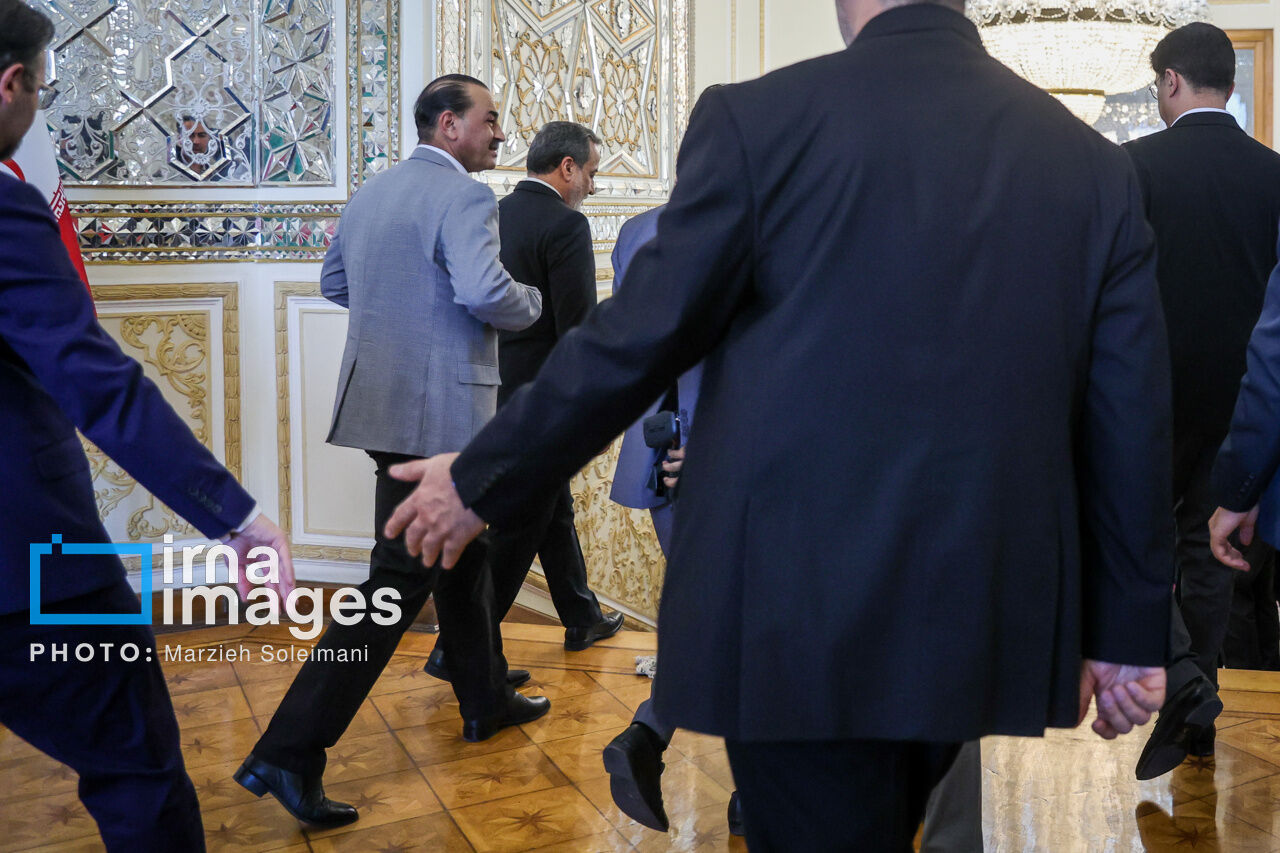
📌 Tehran, IRNA – Field Marshal Asim Munir, the Commander of the Pakistan Army, and his accompanying delegation departed Tehran on Tuesday evening, following consultations with senior Iranian officials.
During his brief, several-hour visit to Tehran, the Commander of the Pakistani Army met and held talks with President Masoud Pezeshkian, Parliament Speaker Mohammad Bagher Ghalibaf, Secretary of the Supreme National Security Council Major General Mohsen Rezaei, and Foreign Minister Abbas Araghchi.
📲 @Irna_en
👍5
🎙 Super tanker catches fire after hitting mine in Hormuz
According to the IRGC Navy, the tanker had switched off all its radar and navigation systems and attempted to exit through the southern, unauthorized route of the strait despite warnings from Iranian naval forces. The vessel struck a naval mine, triggering an explosion and fire.
The IRGC Navy warned that vessel owners and crews operating in the Persian Gulf and the Sea of Oman would be held responsible for using unauthorized routes.
It added that any movement disregarding the security of the Strait of Hormuz would be met with a firm response.
📲 @Irna_en
📌 Tehran, IRNA – Iran’s Islamic Revolution Guards Corps (IRGC) Navy announced that a supertanker carrying more than two million barrels of crude oil exploded and caught fire after striking a naval mine south of the Strait of Hormuz.
According to the IRGC Navy, the tanker had switched off all its radar and navigation systems and attempted to exit through the southern, unauthorized route of the strait despite warnings from Iranian naval forces. The vessel struck a naval mine, triggering an explosion and fire.
The IRGC Navy warned that vessel owners and crews operating in the Persian Gulf and the Sea of Oman would be held responsible for using unauthorized routes.
It added that any movement disregarding the security of the Strait of Hormuz would be met with a firm response.
📲 @Irna_en
❤8👏3🔥2
💬 Top Iranian general warns of harsher retaliation if war resumes
Major General Ali Abdollahi, Chief of the General Staff of Iran’s armed forces and Commander of the Khatam al-Anbiya Central Headquarters, highlighted the expansion of the Army’s drone manufacturing capabilities during a Tuesday visit to military production facilities.
Abdollahi praised the Army’s efforts to establish and expand multiple drone production lines, saying the systems he had seen demonstrated the Armed Forces’ readiness, motivation and capacity for innovation.
“What I saw today at one of the many drone production facilities developed through the efforts of my colleagues in the Islamic Republic of Iran Army reflects the readiness, motivation and innovative capabilities that our armed forces need,” he said.
He added that military equipment developed and upgraded by Iranian specialists had become more advanced than earlier models and offered new capabilities.
Drawing on lessons from the two recent wars imposed by the United States and Israel, Abdollahi said Iran would be better equipped to respond to future aggression.
The commander also pointed to the importance of asymmetric warfare, noting that Iran could counter technologically advanced adversaries by using a range of less expensive but effective systems.
“Our enemies possess modern and advanced equipment, and when necessary, we must respond using different methods and asymmetric capabilities,” he said, referring to the US-Israeli-imposed wars of aggression against the country.
He further warned that if Iran came under attack again, it would seek to offset the advantages of expensive, sophisticated weapons by deploying a broad range of more affordable systems, making military operations more costly and difficult for its adversaries.
Abdollahi also praised progress toward self-sufficiency in the Armed Forces, saying domestic defense development followed the direction set by the martyred Leader of the Islamic Revolution, Ayatollah Seyyed Ali Khamenei, who was a strong supporter of national strength and technological advancement.
He said Iran’s military remained committed to defending the country against any power that threatened its territory or revolutionary values.
The top commander said the Iranian public’s determination to resist had not weakened despite enemy actions. Instead, he said, the resolve of both the population and the armed forces had grown stronger.
📲 @Irna_en
📌 Tehran, IRNA – Iran’s top military commander has warned that any renewed aggression against the country would be met with a more forceful response.
Major General Ali Abdollahi, Chief of the General Staff of Iran’s armed forces and Commander of the Khatam al-Anbiya Central Headquarters, highlighted the expansion of the Army’s drone manufacturing capabilities during a Tuesday visit to military production facilities.
Abdollahi praised the Army’s efforts to establish and expand multiple drone production lines, saying the systems he had seen demonstrated the Armed Forces’ readiness, motivation and capacity for innovation.
“What I saw today at one of the many drone production facilities developed through the efforts of my colleagues in the Islamic Republic of Iran Army reflects the readiness, motivation and innovative capabilities that our armed forces need,” he said.
He added that military equipment developed and upgraded by Iranian specialists had become more advanced than earlier models and offered new capabilities.
Drawing on lessons from the two recent wars imposed by the United States and Israel, Abdollahi said Iran would be better equipped to respond to future aggression.
The commander also pointed to the importance of asymmetric warfare, noting that Iran could counter technologically advanced adversaries by using a range of less expensive but effective systems.
“Our enemies possess modern and advanced equipment, and when necessary, we must respond using different methods and asymmetric capabilities,” he said, referring to the US-Israeli-imposed wars of aggression against the country.
He further warned that if Iran came under attack again, it would seek to offset the advantages of expensive, sophisticated weapons by deploying a broad range of more affordable systems, making military operations more costly and difficult for its adversaries.
Abdollahi also praised progress toward self-sufficiency in the Armed Forces, saying domestic defense development followed the direction set by the martyred Leader of the Islamic Revolution, Ayatollah Seyyed Ali Khamenei, who was a strong supporter of national strength and technological advancement.
He said Iran’s military remained committed to defending the country against any power that threatened its territory or revolutionary values.
The top commander said the Iranian public’s determination to resist had not weakened despite enemy actions. Instead, he said, the resolve of both the population and the armed forces had grown stronger.
📲 @Irna_en
❤11💯7👍1
🖥 Iran condemns US pressure on Cuba, arrest warrant for Raul Castro
In a statement issued Tuesday evening, the ministry strongly denounced the warrant and Washington’s policies toward Havana.
The statement said the policy of sanctions, pressure, and intimidation imposed on Cuba for more than seven decades violated the United Nations Charter and ran counter to international law and human rights principles.
It added that the US government should be held accountable for the devastating consequences of these policies for the fundamental human rights of the Cuban people.
The ministry also expressed Iran’s solidarity with the Cuban government and people in the face of criminal US actions.
It stressed the need to respect Cuba’s national sovereignty, independence, and right to self-determination.
📲 @Irna_en
📌 Tehran, IRNA — Iran’s Foreign Ministry has condemned US interventionist actions against Cuba, including sanctions and efforts to intimidate Cuban officials, describing an arrest warrant for former Cuban President Raul Castro as illegal and criminal.
In a statement issued Tuesday evening, the ministry strongly denounced the warrant and Washington’s policies toward Havana.
The statement said the policy of sanctions, pressure, and intimidation imposed on Cuba for more than seven decades violated the United Nations Charter and ran counter to international law and human rights principles.
It added that the US government should be held accountable for the devastating consequences of these policies for the fundamental human rights of the Cuban people.
The ministry also expressed Iran’s solidarity with the Cuban government and people in the face of criminal US actions.
It stressed the need to respect Cuba’s national sovereignty, independence, and right to self-determination.
📲 @Irna_en
👍9❤3
🌍 IRGC commander: Iran’s Armed Forces hold operational control of Strait of Hormuz
In a gathering of people in the central city of Khomain on Tuesday, Major General Izadi stressed the IRGC Navy and Aerospace Forces’ operational and intelligence superiority over the strategic area.
Noting that the enemies seek to push the people away from the scene, he said the people’s presence and support for the country are key to safeguarding achievements and thwarting the enemies’ plots.
Referring to the country’s missile capabilities, Izadi said the American forces are dawdling at sea and have moved about 700 kilometers away so that the IRGC’s missiles do not harm them.
In the 12-day war and the 40-day war, the enemy brought all its capabilities to the field, but Iran’s Armed Forces and the people present gave it a firm response, and Iran has emerged victorious, Major General Izadi noted.
Neither psychological warfare nor propaganda can alter the outcome on this battlefield, because Iran’s victories are shaped by the people’s steadfastness.
📲 @Irna_en
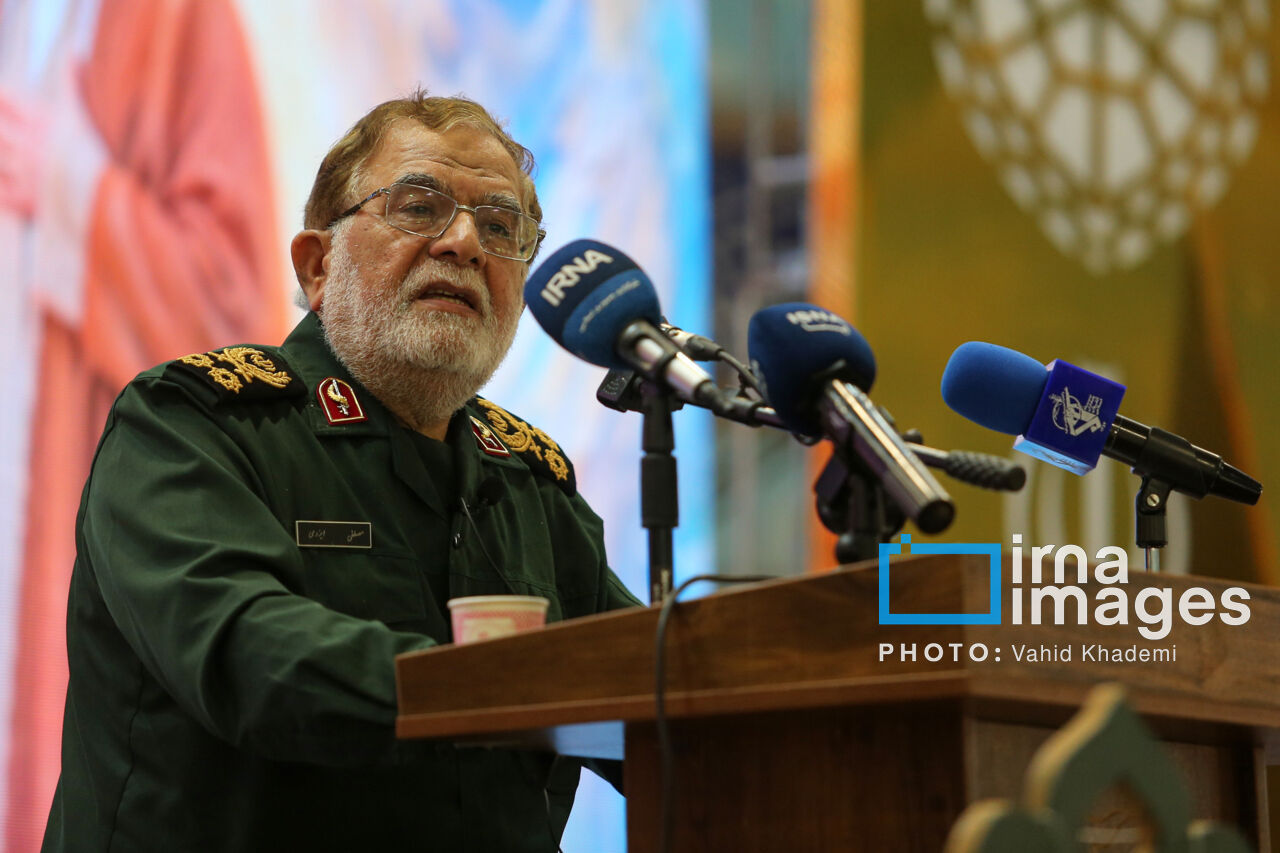
📌 Khomein, IRNA – Iranian Armed Forces control the battlefield in the Strait of Hormuz, which will continue for as long as the Islamic Republic desires, says Major General Mostafa Izadi, Deputy Commander of the Islamic Revolution Guards Corps (IRGC).
In a gathering of people in the central city of Khomain on Tuesday, Major General Izadi stressed the IRGC Navy and Aerospace Forces’ operational and intelligence superiority over the strategic area.
Noting that the enemies seek to push the people away from the scene, he said the people’s presence and support for the country are key to safeguarding achievements and thwarting the enemies’ plots.
Referring to the country’s missile capabilities, Izadi said the American forces are dawdling at sea and have moved about 700 kilometers away so that the IRGC’s missiles do not harm them.
In the 12-day war and the 40-day war, the enemy brought all its capabilities to the field, but Iran’s Armed Forces and the people present gave it a firm response, and Iran has emerged victorious, Major General Izadi noted.
Neither psychological warfare nor propaganda can alter the outcome on this battlefield, because Iran’s victories are shaped by the people’s steadfastness.
📲 @Irna_en
👍11❤1
🖥 US accepted Iran’s seven-day proposal but sought additional terms: Araghchi
Araghchi made the remarks in an interview with Iraq’s Al Ekhbariya television network, confirming that diplomatic contacts between the two sides remain ongoing.
“We have previously presented an initiative to the American side under the title of the seven-day plan, in which we explicitly stated our conditions. The Strait of Hormuz was supposed to be fully reopened on the sixth day of this period. The Americans informed us that they agreed to these conditions, but they wanted to add a few more clauses,” he said.
Explaining the rationale behind the initiative, Araghchi said Iran sought to keep the path of diplomacy open, provided the other side honored its commitments.
He argued that Washington, rather than Tehran, was blocking progress and said the United States needed to implement the conditions to which it had previously committed itself.
“If they adhere to these conditions, they should know that the strait will be fully reopened, and after that, we will hold further rounds of negotiations until a final agreement is reached,” Araghchi said.
Addressing questions about tensions surrounding the Strait of Hormuz and allegations of Iranian involvement in developments in the Red Sea, the foreign minister rejected any connection between Tehran and the latter issue.
“The issue of the Red Sea and the developments taking place there have absolutely nothing to do with us and have their own particular circumstances,” he said.
Araghchi reiterated that the Strait of Hormuz would not be fully reopened to all until an understanding or agreement was reached, stressing that Washington must accept Iran’s conditions for passage by ships and vessels.
Until then, he warned, maritime traffic through the strait and its existing routes would face difficulties.
Under a 14-point Islamabad Memorandum of Understanding (MoU), between Iran and the US, Washington is required to end the war on all fronts and lift its illegal blockade and sanctions on Iran in return for Tehran’s gradual reopening of the Strait of Hormuz.
Iran brought the strategic waterway under its control in March in the early days of the US-Israeli aggression against the country.
📲 @Irna_en
📌 Tehran, IRNA — Foreign Minister Abbas Araghchi says the United States has agreed to the conditions outlined in Iran’s seven-day initiative but has requested the addition of several clauses.
Araghchi made the remarks in an interview with Iraq’s Al Ekhbariya television network, confirming that diplomatic contacts between the two sides remain ongoing.
“We have previously presented an initiative to the American side under the title of the seven-day plan, in which we explicitly stated our conditions. The Strait of Hormuz was supposed to be fully reopened on the sixth day of this period. The Americans informed us that they agreed to these conditions, but they wanted to add a few more clauses,” he said.
Explaining the rationale behind the initiative, Araghchi said Iran sought to keep the path of diplomacy open, provided the other side honored its commitments.
He argued that Washington, rather than Tehran, was blocking progress and said the United States needed to implement the conditions to which it had previously committed itself.
“If they adhere to these conditions, they should know that the strait will be fully reopened, and after that, we will hold further rounds of negotiations until a final agreement is reached,” Araghchi said.
Addressing questions about tensions surrounding the Strait of Hormuz and allegations of Iranian involvement in developments in the Red Sea, the foreign minister rejected any connection between Tehran and the latter issue.
“The issue of the Red Sea and the developments taking place there have absolutely nothing to do with us and have their own particular circumstances,” he said.
Araghchi reiterated that the Strait of Hormuz would not be fully reopened to all until an understanding or agreement was reached, stressing that Washington must accept Iran’s conditions for passage by ships and vessels.
Until then, he warned, maritime traffic through the strait and its existing routes would face difficulties.
Under a 14-point Islamabad Memorandum of Understanding (MoU), between Iran and the US, Washington is required to end the war on all fronts and lift its illegal blockade and sanctions on Iran in return for Tehran’s gradual reopening of the Strait of Hormuz.
Iran brought the strategic waterway under its control in March in the early days of the US-Israeli aggression against the country.
📲 @Irna_en
👍8❤4👎1
🔊 No explosion at Iranian Aluminum Company: Official
Speaking to IRNA late on Tuesday, Arak Governor Abdolreza Haj-Alibeygi said the incident at the company in Arak, central Iran, was caused by a technical problem in the electrical system.
The official added that reports of an explosion on Line 6 of the company are untrue and dismissed claims of sabotage or any security-related incident.
He stressed that no military operation or act of sabotage has taken place at the facility.
Haj-Alibeygi also urged the public to follow news about the incident through official sources and avoid rumors and unverified announcements.
📲 @Irna_en
📌 Arak, IRNA – The governor of Arak, central Iran, says a technical fault in the electrical system and voltage fluctuations caused an incident at Iranian Aluminum Company (IRALCO), with no explosion or sabotage involved.
Speaking to IRNA late on Tuesday, Arak Governor Abdolreza Haj-Alibeygi said the incident at the company in Arak, central Iran, was caused by a technical problem in the electrical system.
The official added that reports of an explosion on Line 6 of the company are untrue and dismissed claims of sabotage or any security-related incident.
He stressed that no military operation or act of sabotage has taken place at the facility.
Haj-Alibeygi also urged the public to follow news about the incident through official sources and avoid rumors and unverified announcements.
📲 @Irna_en
❤4👍1
🔻 Mexican artist honors Minab school victims with ‘Butterflies of Minab’
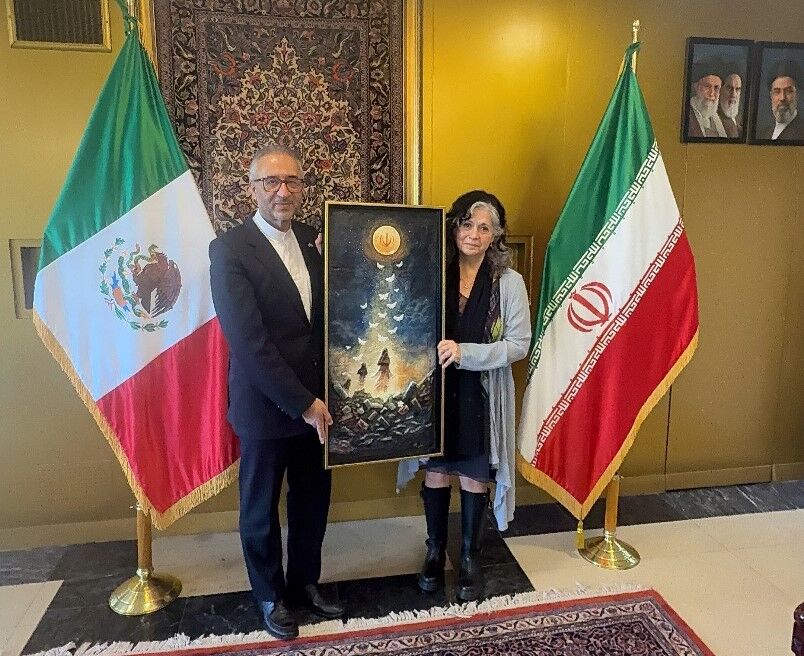
Schietekat presented the artwork to Abolfazl Pasandideh at the Iranian Embassy in Mexico City on Tuesday. Made from paper, cardboard, and recycled materials, the piece expresses grief over the children’s deaths and solidarity with their bereaved families.
The artwork depicts the children as butterflies flying toward a sun over Iran, with the school and the name “Minab 168” appearing at the bottom. Books and school supplies recall the childhood dreams cut short by the attack.
Speaking emotionally about the victims, the Mexican artist said war could destroy bodies and material things but could not erase children’s dreams and stories. She expressed hope that her message would reach the grieving mothers of Minab.
Pasandideh thanked the artist, saying the work carried immense value because it was created from the heart and required no translation to convey its message.
He stressed that Minab was a shared pain for all humanity, urging the international community to demand accountability and prevent the killing of innocent people from becoming normalized.
Shajareh Tayyebeh Elementary School was struck in the early hours of the war launched by the US and Israel against Iran on February 28. The attack on the school killed 168 people, including 157 children.
📲 @Irna_en
📌 Tehran, IRNA – Mexican artist María Schietekat has honored the children killed in a US airstrike on Shajareh Tayyebeh Elementary School in Iran’s southern city of Minab by creating an artwork titled “Butterflies of Minab” and presenting it to Iran’s ambassador to Mexico.
Schietekat presented the artwork to Abolfazl Pasandideh at the Iranian Embassy in Mexico City on Tuesday. Made from paper, cardboard, and recycled materials, the piece expresses grief over the children’s deaths and solidarity with their bereaved families.
The artwork depicts the children as butterflies flying toward a sun over Iran, with the school and the name “Minab 168” appearing at the bottom. Books and school supplies recall the childhood dreams cut short by the attack.
Speaking emotionally about the victims, the Mexican artist said war could destroy bodies and material things but could not erase children’s dreams and stories. She expressed hope that her message would reach the grieving mothers of Minab.
Pasandideh thanked the artist, saying the work carried immense value because it was created from the heart and required no translation to convey its message.
He stressed that Minab was a shared pain for all humanity, urging the international community to demand accountability and prevent the killing of innocent people from becoming normalized.
Shajareh Tayyebeh Elementary School was struck in the early hours of the war launched by the US and Israel against Iran on February 28. The attack on the school killed 168 people, including 157 children.
📲 @Irna_en
🙏6❤2👍2