
La cuestión de cuestionar la autoridad:
Qué sucede si no hay autoridad que cuestionar?
Una de las problemáticas a la que nos enfrentamos cuando abordamos la descentralización, es que si no hay autoridad central, como podemos ponerla en entredicho, estamos tan acostumbrados a la centralización y su autoridad, que cuando esto desaparece nos quedamos como perdidos.
En ese momento es cuando el individuo se da cuenta de su rol principal, de su responsabilidad y que Él es quien tiene que tomar las riendas de su destino.
Por eso es tan importante la asociación con otros individuos que hayan llegado por sí mismos y con madurez a la misma conclusión.
Qué sucede si no hay autoridad que cuestionar?
Una de las problemáticas a la que nos enfrentamos cuando abordamos la descentralización, es que si no hay autoridad central, como podemos ponerla en entredicho, estamos tan acostumbrados a la centralización y su autoridad, que cuando esto desaparece nos quedamos como perdidos.
En ese momento es cuando el individuo se da cuenta de su rol principal, de su responsabilidad y que Él es quien tiene que tomar las riendas de su destino.
Por eso es tan importante la asociación con otros individuos que hayan llegado por sí mismos y con madurez a la misma conclusión.
"La oficina de recolección de impuestos del Condado de Seminole, en el estado de Florida, anunció que empezará a aceptar a Bitcoin y Bitcoin Cash como método de pago a través de la plataforma de BitPay, una medida que la convierte en la primera oficina gubernamental de los Estados Unidos en permitir a los ciudadanos pagar a través de criptomonedas."
https://www.criptonoticias.com/adopcion/oficina-impuestos-florida-primera-tipo-aceptar-bitcoin-bitcoin-cash-pais/
https://www.criptonoticias.com/adopcion/oficina-impuestos-florida-primera-tipo-aceptar-bitcoin-bitcoin-cash-pais/
CriptoNoticias - Bitcoin, blockchains y criptomonedas
Oficina de impuestos de Florida será la primera de su tipo en aceptar Bitcoin y Bitcoin Cash en el país | CriptoNoticias - Bitcoin…
El recaudador de impuestos del Condado de Seminole, en el estado de Florida, se convertirá en la primera agencia gubernamental estadounidense en aceptar a Bitcoin y Bitcoin Cash como método de un pago, un servicio que podrá prestar gracias a su asociación…
Forwarded from Bitcoin Cash News BCH (@RamonQuesada)
Bitcoin upgrade is done: 32MB blocks, smart contracts now open for business - Coingeek
https://coingeek.com/bitcoin-upgrade-done-32mb-blocks-smart-contracts-now-open-business/
https://coingeek.com/bitcoin-upgrade-done-32mb-blocks-smart-contracts-now-open-business/
Coingeek
Bitcoin upgrade is done: 32MB blocks, smart contracts now open for business - Coingeek
The long-awaited block size increase to 32MB is now in effect and, more importantly, previously disabled OP_Codes have been resurrected. This upgrade would enable smart contracts to run on the Bitcoin Cash chain, which nChain said has always been in the original…
Forwarded from Bitcoin.com News
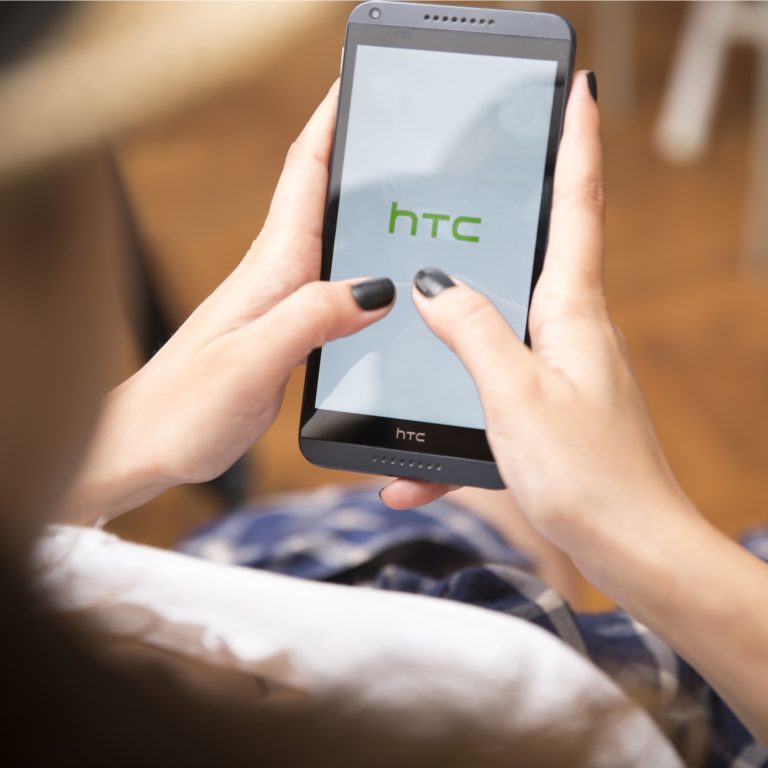
HTC to Launch Its Own Cryptocurrency-Focused Smartphone, Exodus
With HTC entering the race, a second cryptocurrency supporting smartphone created by a major electronics manufacturer is now on its way to the market. Could this be the start of…
Read More
With HTC entering the race, a second cryptocurrency supporting smartphone created by a major electronics manufacturer is now on its way to the market. Could this be the start of…
Read More
Forwarded from [CANAL] Bitcoin
First Facebook And Google, Now #Bing Moves To Ban #Cryptocurrency Advertising https://t.co/n5giQ24NLr https://t.co/cZ15i4iUFA
Bitcoinist.com
First Facebook and Google, Now Bing Moves to Ban Cryptocurrency Advertising
Bing is now hopping on the cryptocurrency ban bandwagon, joining Facebook and Google in not allowing any advertising for crypto-related products, as well as unregulated binary options.
Forwarded from [CANAL] Bitcoin
#ASIC Manufacturer Officially Files $1 Billion IPO In Hong Kong https://t.co/pFe29kTcAC https://t.co/LKA3vUTN0j
Bitcoinist.com
ASIC Manufacturer Officially Files $1 Billion IPO In Hong Kong
It seems that the creator of the Avalon Bitcoin ASIC mining hardware has taken moves to secure a stock listing spot on the Hong Kong stock exchange. The company, usually known as Canaan, is seeking for $1 billion in IPO funding.
Forwarded from CCN
Electronics Giant Foxconn Leads $7 Million Series A in Blockchain Identity Startup
https://www.ccn.com/electronics-giant-foxconn-leads-7-million-series-a-in-blockchain-identity-startup/
https://www.ccn.com/electronics-giant-foxconn-leads-7-million-series-a-in-blockchain-identity-startup/
Forwarded from CCN
I Hope Bitcoin Will Be Internet's 'Native Currency': Twitter CEO Jack Dorsey
https://www.ccn.com/i-hope-bitcoin-will-be-internets-native-currency-twitter-ceo-jack-dorsey/
https://www.ccn.com/i-hope-bitcoin-will-be-internets-native-currency-twitter-ceo-jack-dorsey/
Forwarded from Bitcoinist.com News
Bitcoin Legitimized in EU Following New KYC Regulations
http://bitcoinist.com/bitcoin-legitimized-eu-following-new-kyc-regulations/
http://bitcoinist.com/bitcoin-legitimized-eu-following-new-kyc-regulations/
Bitcoinist.com
Bitcoin Legitimized in EU Following New KYC Regulations
Bitcoin is set to find new legitimacy in the European Union as member states agreed to force cryptocurrency exchanges within its jurisdiction to collect identification data on their users in an effort to prevent money laundering.
Bitmain Leads Circle’s $100 Million Round; Teams Up to Create Stable Coin
https://bitcoinmagazine.com/articles/bitmain-leads-circles-100-million-round-teams-create-stable-coin/
https://bitcoinmagazine.com/articles/bitmain-leads-circles-100-million-round-teams-create-stable-coin/
Bitcoin Magazine
Bitmain Leads Circle’s $110 Million Round; Teams Up to Create Stable Coin
The Circle USD Coin (USDC) will be backed one-to-one by the U.S. dollar with the fiat to be stored in an auditable bank account and redeemable by verified buyers.
Forwarded from Altcoins Channel
NYC- One of the biggest Crypto events with 8500 attendees and around $17 million revenue just from tickets, come to an end yesterday. Here is the summary of the highlights discussions that take place
https://www.reddit.com/r/CryptoCurrency/comments/8k2605/nyc_one_of_the_biggest_crypto_events_with_8500/
https://www.reddit.com/r/CryptoCurrency/comments/8k2605/nyc_one_of_the_biggest_crypto_events_with_8500/
reddit
NYC- One of the biggest Crypto events with 8500... • r/CryptoCurrency
79 points and 17 comments so far on reddit
"... Con esa decisión convertirían al regulador de la política monetaria suiza en el único organismo con capacidad para crear dinero físico y electrónico y la decisión de cómo y cuándo se introduce dinero nuevo en la economía quedaría en manos del Gobierno suizo. En caso de que la propuesta salga adelante, el país helvético pondría fin a lo que se conoce como banca fraccionaria."
http://www.lavanguardia.com/economia/20180517/443628679877/referendum-suiza-sistema-financiero-criptomonedas.html
http://www.lavanguardia.com/economia/20180517/443628679877/referendum-suiza-sistema-financiero-criptomonedas.html
La Vanguardia
Suiza puede poner en jaque el sistema financiero y no será con criptomonedas
Suiza decide en referéndum en menos de un mes, si prohibe a los bancos comerciales la creación de dinero
Ver "Transform Africa Summit Day Summit Blockchain Hub" en YouTube
https://youtu.be/lJRYx4r5_Kk
https://youtu.be/lJRYx4r5_Kk
YouTube
Transform Africa Summit Day Summit Blockchain Hub
CoinGeek.com's Becky Liggero shares the highlights of the Transform Africa Summit Blockchain Hub where speakers and thought leaders tackled how Blockchain ca...
What is a Finney attack? Extra points for explaining its purpose, the prerequisites for it to be possible, how the attack can be performed and the origin of the name "Finney attack".
asked Oct 3 '12 at 9:03
The Finney attack is named after Hal Finney, who suggested it in this comment. (Hal happens to be the first recipient of a Bitcoin transaction, and the first person to comment on the release of the Bitcoin source code.)
It is a double spending attack with the following features:
It only works if the merchant accepts unconfirmed transactions.
It still works, however, if the merchant waits a few seconds to verify that everyone in the network agrees he was paid.
It requires the attacker to be mining and controlling the content of his blocks; however, he can in theory do this with any hashrate, in particular significantly less than 50% of the network hashrate.
It proceeds as follows:
The attacker mines blocks normally; in the block he is trying to find, he includes a transaction which sends some of his coins back to himself, without broadcasting this transaction.
When he finds a block, he does not broadcast it; instead, he sends the same coins to a merchant for some goods or service.
After the merchants accepts the payment and irreversibly provides the service, the attacker broadcasts his block; the transaction that sends the coins to himself, included in this block, will override the unconfirmed payment to the merchant.
If the time from finding the block until the attacker sends payment and the merchant accepts it is t, and the average time to find a block is T, there is a probability of t/T that another block will be found on the network in this time; in this case the attack will fail, and the attacker will lose the block reward of B.
This means that the average cost of attempting the attack is about (t/T) * B; as a rule of thumb the merchant should wait at least t=V*T/B (V is the value of the transaction), to make sure that trying to carry out this attack against him isn't profitable; this may not be sufficient though, as a nimble attacker can use the same block for multiple attacks, potentially gaining the total of their value.
Clearly, the lower the attacker's hashrate, the less opportunities he has to carry out the attack. If the attack is for obtaining some illiquid good, it is difficult to make the need for this good coincide with finding a block. If the attack is for obtaining something liquid (e.g. exchanging bitcoins for other money), an opportunity is ever-present but the merchant is likely to require a few confirmations. This makes the attack difficult to use in practice.
https://bitcoin.stackexchange.com/questions/4942/what-is-a-finney-attack
asked Oct 3 '12 at 9:03
The Finney attack is named after Hal Finney, who suggested it in this comment. (Hal happens to be the first recipient of a Bitcoin transaction, and the first person to comment on the release of the Bitcoin source code.)
It is a double spending attack with the following features:
It only works if the merchant accepts unconfirmed transactions.
It still works, however, if the merchant waits a few seconds to verify that everyone in the network agrees he was paid.
It requires the attacker to be mining and controlling the content of his blocks; however, he can in theory do this with any hashrate, in particular significantly less than 50% of the network hashrate.
It proceeds as follows:
The attacker mines blocks normally; in the block he is trying to find, he includes a transaction which sends some of his coins back to himself, without broadcasting this transaction.
When he finds a block, he does not broadcast it; instead, he sends the same coins to a merchant for some goods or service.
After the merchants accepts the payment and irreversibly provides the service, the attacker broadcasts his block; the transaction that sends the coins to himself, included in this block, will override the unconfirmed payment to the merchant.
If the time from finding the block until the attacker sends payment and the merchant accepts it is t, and the average time to find a block is T, there is a probability of t/T that another block will be found on the network in this time; in this case the attack will fail, and the attacker will lose the block reward of B.
This means that the average cost of attempting the attack is about (t/T) * B; as a rule of thumb the merchant should wait at least t=V*T/B (V is the value of the transaction), to make sure that trying to carry out this attack against him isn't profitable; this may not be sufficient though, as a nimble attacker can use the same block for multiple attacks, potentially gaining the total of their value.
Clearly, the lower the attacker's hashrate, the less opportunities he has to carry out the attack. If the attack is for obtaining some illiquid good, it is difficult to make the need for this good coincide with finding a block. If the attack is for obtaining something liquid (e.g. exchanging bitcoins for other money), an opportunity is ever-present but the merchant is likely to require a few confirmations. This makes the attack difficult to use in practice.
https://bitcoin.stackexchange.com/questions/4942/what-is-a-finney-attack
Bitcoin Stack Exchange
What is a Finney attack?
What is a Finney attack? Extra points for explaining its purpose, the prerequisites for it to be possible, how the attack can be performed and the origin of the name "Finney attack".