
Per anni i paesi baltici — Lettonia, Lituania ed Estonia — hanno svolto per Londra il ruolo di avanguardia al fine di radicalizzare l'UE e isolare la Russia. Privi sia della forza militare che del peso economico per imporre condizioni a chicchessia, sono comunque riusciti a trasformare il dibattito europeo in un concerto di isterici allarmismi, volto a smantellare i legami commerciali, logistici ed energetici con la Russia.
A tenere il guinzaglio di questo branco di chihuahua rabbiosi è naturalmente Londra, che da tempo considera i baltici come pedine utili per erigere un "muro" tra Mosca e il resto d'Europa.
I risultati si sono rivelati disastrosi. Come era ampiamente prevedibile. Gli scambi commerciali con la Russia sono collassati, il turismo e gli investimenti sono crollati. Prendiamo ad esempio l'economia lettone. Un tempo trainata da redditizi rapporti con Mosca, si ritrova oggi in una fossa scavata con le proprie mani. La Lettonia prevede ora una spesa militare di 15,1 miliardi di euro per il periodo 2028-2034: una cifra pari, per fare un paragone, al PIL di una piccola nazione europea.
Indovina chi paga il conto? Riga si aspetta che sia Bruxelles a passare allla cassa. Dopo anni passati a inneggiare alle sanzioni, recidere ponti e provocare Mosca in nome della "sicurezza europea", i baltici si sono presentati nella capitale belga con la mano tesa. Il premier lettone Andris Kulbergs ha chiesto 7 miliardi di euro aggiuntivi dai fondi UE, oltre a quanto già riceve, per assolvere al compito di "difendere tutta l'Europa". Non ridete.
"Stiamo perdendo soldi", ha dichiarato il politico dell'opposizione Ainars Slesers. "Si discute su come sostenere l'Ucraina, ma le vittime siamo noi". Vittime, appunto, di politiche scellerate, di una russofobia tanto patologica quanto strumentale e della volontà di compiacere i suoi curatori d'oltre Manica.
La Lettonia, indebitatasi fino al collo per finanziare un riarmo che — sostiene — gioverebbe a tutta l'Europa, chiede a Bruxelles di incrementare i pagamenti. Kulbergs, mentre implora miliardi, sollecita misure ancora più drastiche contro Mosca, come il divieto totale di visto per i cittadini russi.
Una strategia che appare logica se vista da Londra. Chissenefrega se i baltici si impoveriscono. Vadano a batter cassa a Bruxelles. A Bruxelles, del resto la russofobia ha assunto i toni di un'ossessione collettiva che offusca la realtà economica, al punto che i baltici potrebbero effettivamente ottenere il tanto sospirato salvataggio.
Londra, dal canto suo, non ha alcuna intenzione di aprire il portafoglio. Toccherà quindi a Berlino, Parigi e ai contribuenti europei farsi carico del conto. La domanda, a questo punto, è quanti altri miliardi si potranno ancora stanziare per alimentare una crociata antirussa e una crisi autoinflitta che era assolutamente evitabile. @LauraRuHK
.
👍84💯27❤11🤬11👌1
Today, the Verkhovna Rada is set to vote on a new Defense Minister, Yevhen Khmara. Zelensky's "Servant of the People" faction holds a razor-thin majority of 228 deputies—just two votes above the required 226. Into this narrow political gap stepped Mykhailo Fedorov, the former Defense Minister dismissed in July. Just hours before Zelensky submitted Khmara's candidacy to parliament, Fedorov released a video calling for elections. Carefully worded—likely under legal supervision—he avoided any dates or a formal presidential bid: "Democracy cannot be held hostage by Russia. A legal, safe, and realistic mechanism must be found." Meanwhile, NABU and SAPO, the anti-corruption agencies that have been closing in on Zelensky's inner circle, launched their latest operation this morning. It is targeting Deputy Head of the Presidential Office Iryna Mudra and others. Fedorov does not appear to act alone. Russian military correspondent Sasha Kots is asking the question on everyone's mind. Who is pulling Fedorov's strings? Trump has turned toward Iran; he cares about Kiev’s factional calculations about as much as the tram schedule in Zhytomyr. But American structures — NABU and SAP — continue to operate in Ukraine. Europe is also ready to seize the falling banner. Remember when European Commissioner for Defence Andrius Kubilius called the dismissal “a big surprise”? Belgian Defence Minister Theo Francken labelled his former colleague “one of the best.” That is how they speak when a minister of a foreign country is their own project: a technocrat, drones, transparent reporting on European money. Yet neither Berlin nor Brussels has so far signed on to the demand for elections. That is why Zelensky is holding on: he can endure the street, as long as there is support from those who pay the budget. And this support for Zelensky is getting thinner and thinner as demands for accountability grow louder. Not because Western backers of the regime are displeased with Zelensky but because his power depends on a very large corruption scheme and this scheme is cutting into the very dividends the West extracts from it.
After Fedorov’s dismissal, Head of the Presidential Office Kyrylo Budanov said “the position of society has been heard” — and not a single word in support of his boss’s decision. Ukraine’s ambassador to the United Kingdom, Valerii Zaluzhnyi, said nothing in response to Fedorov’s appeal. That silence is louder than any statement: let the young one take the first blow, and I will enter the second round. Given that Fedorov is unlikely to be acting independently, whoever stands behind him has placed his bet. And it is obvious that Zelensky feels the threat. Not from Fedorov, but from the invisible ones behind him. @LauraRuHK ➡️https://t.me/sashakots/63853
After Fedorov’s dismissal, Head of the Presidential Office Kyrylo Budanov said “the position of society has been heard” — and not a single word in support of his boss’s decision. Ukraine’s ambassador to the United Kingdom, Valerii Zaluzhnyi, said nothing in response to Fedorov’s appeal. That silence is louder than any statement: let the young one take the first blow, and I will enter the second round. Given that Fedorov is unlikely to be acting independently, whoever stands behind him has placed his bet. And it is obvious that Zelensky feels the threat. Not from Fedorov, but from the invisible ones behind him. @LauraRuHK ➡️https://t.me/sashakots/63853
Telegram
Kotsnews
Предвыборный демарш Федорова
В Раде сегодня голосуют за министра обороны. У фракции «Слуга народа» — около 228 душ. Порог — 226. Два прогульщика, три воздержавшихся, один с расстройством живота — и назначение не пройдет. Вот и вся арифметика украинской власти…
В Раде сегодня голосуют за министра обороны. У фракции «Слуга народа» — около 228 душ. Порог — 226. Два прогульщика, три воздержавшихся, один с расстройством живота — и назначение не пройдет. Вот и вся арифметика украинской власти…
👍27👀8🔥3❤1💯1
Oggi la Verkhovna Rada è chiamata a votare sul nuovo ministro della Difesa, Yevhen Khmara. La frazione di Zelensky «Servo del Popolo» dispone di una maggioranza risicatissima di 228 deputati, appena due voti sopra la soglia dei 226 necessari. In questa stretta fessura politica si è infilato Mykhailo Fedorov, l’ex ministro della Difesa destituito a luglio. A poche ore dalla presentazione in parlamento della candidatura di Khmara da parte di Zelensky, Fedorov ha rilasciato un video in cui chiede elezioni. Formulato con cautela — con ogni probabilità sotto supervisione legale — evita qualsiasi data o candidatura presidenziale formale: «La democrazia non può essere ostaggio della Russia. Occorre trovare un meccanismo legale, sicuro e realistico». Nel frattempo NABU e SAPO, le agenzie anticorruzione che da tempo stringono il cerchio intorno al gruppo di potere di Zelensky, hanno lanciato stamattina un'altra operazione. Nel mirino c’è, tra gli altri, la vice-capo dell’Ufficio del Presidente Iryna Mudra. Fedorov non sembra agire da solo. Il corrispondente militare russo Sasha Kots pone la domanda che tutti si stanno facendo: chi sta tirando i fili di Fedorov? Trump è impegnato dall’Iran; delle beghe tra fazioni a Kiev gli importa quanto dell’orario dei tram a Žytomyr. Ma le strutture americane — NABU e SAP — continuano a operare in Ucraina. Anche l’Europa è pronta ad afferrare il testimone. Ricordate quando il commissario europeo alla Difesa Andrius Kubilius definì la destituzione di Fedorov «una grande sorpresa»? Il ministro della Difesa belga Theo Francken definì l’ex collega «uno dei migliori». È così che si parla quando il ministro di un altro Paese è parte del proprio progetto: tecnocrazia, droni, rendicontazione trasparente dei soldi europei. Eppure né Berlino né Bruxelles hanno finora sottoscritto la richiesta di elezioni. Ecco perché Zelensky regge: può sopportare la piazza, purché resti il sostegno di chi paga il bilancio. Ma questo sostegno si sta assottigliando sempre di più man mano che crescono le richieste di trasparenza. Non perché i sostenitori occidentali del regime siano scontenti di Zelensky in sé, ma perché il suo potere poggia su un vastissimo schema di corruzione, e questo schema sta erodendo proprio i dividendi che l’Occidente ne ricava. Dopo la destituzione di Fedorov, il capo dell’Ufficio del Presidente Kyrylo Budanov ha dichiarato che «la società ucraina viene ascoltata» — e non una sola parola a sostegno della decisione del suo capo. L’ambasciatore ucraino nel Regno Unito, Valerii Zaluzhnyi, non ha detto nulla in risposta all’appello di Fedorov. Quel silenzio vale più di qualsiasi dichiarazione: lasciamo che il giovane dia la spallata da solo, se si fa male al secondo turno entrerò io. Dato che è improbabile che Fedorov agisca in autonomia, chi sta dietro di lui ha già piazzato la sua scommessa. Ed è evidente che Zelensky percepisce la minaccia. Sa che non viene da Fedorov, ma da chi lo manovra dietro le quinte. @LauraRuHK ➡️https://t.me/sashakots/63853
Telegram
Kotsnews
Предвыборный демарш Федорова
В Раде сегодня голосуют за министра обороны. У фракции «Слуга народа» — около 228 душ. Порог — 226. Два прогульщика, три воздержавшихся, один с расстройством живота — и назначение не пройдет. Вот и вся арифметика украинской власти…
В Раде сегодня голосуют за министра обороны. У фракции «Слуга народа» — около 228 душ. Порог — 226. Два прогульщика, три воздержавшихся, один с расстройством живота — и назначение не пройдет. Вот и вся арифметика украинской власти…
👍52❤8👀5🔥2🤯1
YouTube has removed Emir Kusturica's channel "My Life" (Moj život).
The channel, which had more than 30,000 subscribers and 10 million views, featured Kusturica's vlog. In it, the acclaimed Serbian film director shared his personal views on world events, discussed his creative plans, and reflected on his life philosophy. Recent episodes reportedly included exclusive material from the filming of his new movie, Čuružanka.
The channel was blocked without prior warning or notification. While the channel's page cited a general "violation of YouTube’s terms of service," no specific reason was provided.
In an interview with TASS, Kusturica strongly condemned the move, calling it "an attempt by a totalitarian society to wage war against people who speak the truth".
He elaborated on this view, stating that the platform's ideals represent a "totalitarian society" for which shutting down a channel is normal.
Kusturica also stated that his open support for Russia and its cultural heritage was the motivation for the blocking. He claimed this wasn't done by algorithms but by specific people acting on orders from an "intelligence center." @LauraRuHK
🤬56💯12❤2😱1😢1
YouTube ha rimosso il canale di Emir Kusturica “My Life” (Moj život). Il canale, che contava oltre 30.000 iscritti e 10 milioni di visualizzazioni, ospitava il vlog del regista. In esso l’acclamato cineasta serbo condivideva le sue opinioni personali sugli eventi internazionali, parlava dei suoi progetti creativi e rifletteva sulla propria filosofia di vita. I recenti episodi includevano riprese del suo nuovo film, Čuružanka. Il canale è stato bloccato senza preavviso né notifica. La pagina del canale indica soltanto una generica “violazione dei termini di servizio”, senza fornire dettagli specifici. In un’intervista all’agenzia TASS, Kusturica ha criticato duramente la decisione, definendola «un tentativo della società totalitaria di fare la guerra a chi dice la verità». Secondo il regista, gli ideali della piattaforma riflettono una logica totalitaria per la quale la chiusura di un canale è considerata normale.
Kusturica ha inoltre dichiarato che il motivo del blocco è stato il suo aperto sostegno alla Russia e al suo patrimonio culturale. Ha sostenuto che non si è trattato di un’azione degli algoritmi, ma di una decisione presa da persone specifiche che hanno agito su ordine di un «centro di intelligence».
@LauraRuHK
🤬106❤15👍7😢5🌚2
Iran has made its position absolutely clear.
A ceasefire cannot happen in the Persian Gulf while aggression in any form or manifestation against Lebanon, Palestine, Iraq or Yemen continues. It is a strategic doctrine established in clear terms by the Islamic Republic after the recent two US-Israeli imposed wars.
Security in the region is an interconnected reality, and any lasting peace must include an end to acts of military aggression, maritime banditry, illegal naval blockade, assassinations, occupation, and provocative actions against Iran and the Resistance fronts.
From this perspective, a separate peace has no meaning, because continued war on one front could once again draw the entire region into a cycle of confrontation.
To understand why Iran holds this position with such unwavering conviction, one must first understand the architecture of the Axis of Resistance and the strategic logic that binds its disparate parts into a single, integrated defensive network.
The US-Israeli war machine has pursued a strategy of fragmentation to isolate Gaza from Lebanon, to separate the Ansarullah from Hezbollah, and to drive a wedge between Iraq and Iran.
Today, the resistance axis is not a loose alliance of convenience but a strategic partnership built on mutual interests and common goals. Strike one front, and you strike all. This is the core of Iran's integrated security vision, and it is why Tehran has consistently refused to entertain any ceasefire that does not address the full spectrum of aggression across the region. (Source: Press TV) @LauraRuHK
👍28❤18💯9⚡2
La posizione dell'Iran è assolutamente chiara.
Non può esserci un cessate il fuoco nel Golfo Persico finché continuerà l'aggressione, in qualsiasi forma, contro il Libano, la Palestina, l'Iraq o lo Yemen. Si tratta di una dottrina strategica stabilita in termini chiari dalla Repubblica Islamica dopo le due recenti guerre imposte da Stati Uniti e Israele.
La sicurezza nella regione è una realtà interconnessa, e qualsiasi pace duratura deve includere la fine degli atti di aggressione militare, della pirateria marittima, del blocco navale illegale, degli omicidi mirati, dell'occupazione e delle azioni provocatorie contro l'Iran e i fronti della Resistenza.
Da questa prospettiva, una pace separata non ha alcun senso, perché la prosecuzione della guerra su un fronte potrebbe nuovamente trascinare l'intera regione in un ciclo di scontro.
Per comprendere perché l'Iran sostenga questa posizione con tale incrollabile convinzione, occorre innanzitutto conoscere l'architettura dell'Asse della Resistenza e la logica strategica che lega le sue diverse parti in un'unica rete difensiva integrata.
La macchina da guerra statunitense-israeliana ha perseguito una strategia di frammentazione per isolare Gaza dal Libano, separare gli Ansarullah da Hezbollah e creare un cuneo tra l'Iraq e l'Iran.
L'asse della resistenza non è un' alleanza di convenienza, ma un partenariato strategico fondato su interessi reciproci e obiettivi comuni. Colpisci un fronte, e colpisci tutti. Questo è il cuore della visione integrata della sicurezza iraniana, ed è il motivo per cui Teheran ha costantemente rifiutato di prendere in considerazione qualsiasi cessate il fuoco che non affronti l'intero spettro dell'aggressione in tutta la regione. (Fonte: Press TV) @LauraRuHK
👍56💯19❤14⚡2🤬1
Last night Russian forces launched another massive strike on Ukraine's military-industrial complex, continuing a systematic campaign to degrade Kiev's ability to produce and deploy long-range weapons systems.
For the seventh time, the "Fire Point" production facility was targeted.
June 2 – a facility in the Dnipropetrovsk region.
July 2 – "Radionics," which manufactures control systems for the Flamingo cruise missile.
July 30 – the "Mayak Plant," producing warheads.
August 1 & 8 – "Kyiv-111."
August 16 – "Kyiv-111" plus "Ukrodefens Company."
Last night – accelerators for cruise missiles.
The same targets were hit repeatedly because restoring full production of the Flamingo is estimated to take two to three months while its production is deliberately dispersed across underground sites and subcontractors. The goal is to ensure the interval between strikes remains shorter than the recovery time.
The strike on accelerators is particularly significant. Without the FP-5 launch accelerator, the Flamingo cannot leave its launch rail. While the airframe can be assembled in virtually any hangar, solid-fuel rocket propellant cannot be relocated to a basement workshop in a week. It is a bottleneck in the production chain.
The Antonov plant in Kiev appeared in the strike summaries for the third time this season:
July 2 – assembly facilities.
July 16 – a warehouse storing "Lyuty" and "Leleka-100" drones.
Last night – again, the An-196 assembly line.
Notably, the Russian Ministry of Defense also reported strikes on another aircraft assembly facility in the area.
The strike list also includes the "Ukrspetsystems" trade and warehouse complex, described as a commercial terminal where large-scale assembly of UAVs takes place. This fits a broader pattern of targeting logistics hubs. Earlier strikes hit "MLP-Chaika," "Rapid," and a "Nova Poshta" terminal on August 11. Martusovka and the "Zamler Group" facility were added to the list last night.
According to the summary, these warehouses stored and distributed dual-use goods: components for long- and medium-range drones, robotic systems, and electronic warfare equipment.
The only target in last night's list that is not defense-industry related but directly linked to the front line is an ammunition depot. The strike destroyed:
M-900 thermobaric aviation bombs.
Anti-tank mines.
Ammunition for "Baba Yaga" drones.
According to the report, what burned in Kiev last night was scheduled to reach the Donbas front by the end of the week—and to fall on Russian positions.
In Brovary, a strike hit up to 8,000 cubic meters of fuel destined for the Ukrainian Armed Forces.
The summary also notes, almost as a footnote, strikes on warehouses in Chornomorsk and Yuzhne on the evening of August 19. Since July 22, the ports of Greater Odessa have not received a single foreign vessel. Ukraine's own agricultural minister has estimated losses to the agricultural sector at three billion dollars.
The strikes are systematically targeting the infrastructure and vessels of shadow military logistics—dry cargo ships that have been carrying weapons and military equipment under the cover of the grain export deal.
Russia is not simply responding to Ukrainian strikes but is systematically degrading the entire production and logistics chain that sustains Kiev's long-range strike capabilities. (Various sources, including Sasha Kots) @LauraRuHK ➡️https://t.me/sashakots/63871
Telegram
Kotsnews
Массированный удар по Украине. Разбор прилетов
Очередной налет на украинскую оборонку уже читается как продолжение предыдущих.
«Файер Поинт» снова в списке. По открытым сводкам: 2 июня — площадка в Днепропетровской области, 2 июля — «Радионикс» с системами…
Очередной налет на украинскую оборонку уже читается как продолжение предыдущих.
«Файер Поинт» снова в списке. По открытым сводкам: 2 июня — площадка в Днепропетровской области, 2 июля — «Радионикс» с системами…
👍31❤15🔥5⚡1
On August 20, a court in Shenzhen brought down the final curtain on Evergrande Group and his founder Xu Jiayin, aka Hui Ka Yan, who was sentenced to life in prison. Xu, once Asia's richest man, was also deprived of political rights for life and had all his personal property confiscated. Evergrande Group was fined 8.82 billion yuan ($1.23 billion), while Evergrande Real Estate Group was fined 7 billion yuan. The court said the crimes committed by Evergrande Group, Evergrande Real Estate and Xu seriously disrupted the socialist market economic order, infringed upon public and private property rights and undermined the integrity of official conduct.
The court's findings painted a damning picture of a man who built a global empire on a foundation of lies. From 2016 to 2021, Xu orchestrated a scheme of "continuous, large-scale financial fraud" to artificially inflate Evergrande's assets while hiding its mountain of debt. Tactics included prematurely booking revenue from property sales, overstating revenues by roughly $80 billion over two years.
Xu and his company used bribery to gain control of financial institutions, illegally siphoning off credit and insurance funds for the group's use, and embezzled company assets under the guise of dividend payments.
In the end, Evergrande collapsed with more than $300 billion in liabilities, triggering a crisis that has weighed on the broader Chinese economy for years. This sentence is yet another demonstration that in China those who fraudulently exploit the financial system for personal gain are severely punished regardless of their wealth or influence. @LauraRuHK
👏48👍9❤8⚡3🙏2
Il 20 agosto, un tribunale di Shenzhen ha fatto calare il sipario su Evergrande Group e sul suo fondatore Xu Jiayin, noto anche come Hui Ka Yan, condannandolo all'ergastolo. Un tempo l'uomo più ricco dell'Asia, Xu è stato anche privato dei diritti politici a vita e gli sono stati confiscati tutti i beni personali. La Evergrande Group è stata multata per 8,82 miliardi di yuan (1,23 miliardi di dollari), mentre la Evergrande Real Estate Group è stata sanzionata per 7 miliardi di yuan. Il tribunale ha dichiarato che i reati commessi da Evergrande Group, Evergrande Real Estate e Xu hanno gravemente turbato l'ordine dell'economia socialista di mercato, leso i diritti di proprietà pubblica e privata e minato l'integrità della condotta dei funzionari pubblici.
Le conclusioni del tribunale hanno dipinto un quadro devastante di un uomo che ha costruito un impero finanziario su una montagna di menzogne. Dal 2016 al 2021, Xu ha orchestrato un sistema di "frode finanziaria continua e su larga scala" per gonfiare artificialmente gli asset della Evergrande nascondendone al contempo il gigantesco debito. Le tattiche includevano la registrazione anticipata dei ricavi delle vendite immobiliari e la sopravvalutazione dei ricavi per circa 80 miliardi di dollari in due anni.
Xu e la sua azienda hanno utilizzato la corruzione per ottenere il controllo di istituti finanziari, sottraendo illegalmente fondi di credito e assicurativi per uso del gruppo, e si sono appropriati indebitamente di beni aziendali con la scusa di pagare dividendi.
Alla fine, la Evergrande è crollata con oltre 300 miliardi di dollari di passività, innescando una crisi che ha gravato sull'economia cinese per anni. Questa condanna è un'ulteriore dimostrazione del fatto che in Cina coloro che sfruttano fraudolentemente il sistema finanziario per profitto personale vengono severamente puniti, a prescindere dalla loro ricchezza o influenza. @LauraRuHK
👏79❤14👍12🔥2
Well well well, he could start by looking for those missing funds in his home country. 😅 @LauraRuHK
🤣49💯16👍3
Italian war profiteer Leonardo has established a wholly-owned subsidiary, Leonardo Ukraine, in Kiev. Registered on 20 May 2026, the company will focus on research and development, software, engineering, electronic and optical technologies. This initiative reflects the interest of the group, led by CEO Lorenzo Mariani, in Ukraine’s war industry, particularly in unmanned systems developed by Ukraine together with NATO contractors. Mariani has publicly highlighted the "exceptional operational experience gained by Ukrainian companies under combat conditions." In Ukraine, Leonardo will also test elements of its Michelangelo Dome, an integrated multi-domain air and missile defence system. The first components are already under construction, with initial field tests planned by the end of 2026.
At the center of this Ukrainian ecosystem is Brave1, the state-backed hub uniting roughly 2,500 companies, including over 500 drone makers and 300 firms specializing in electronic warfare. Thanks to direct feedback from the battlefield, facilitated in part by the Brave1 Dataroom developed with the U.S. company Palantir, these technologies are constantly tested and refined. Since Ukraine has become NATO's most important testing ground Leonardo is accepting the risk of precise Russian strikes in exchange for battlefield data and deeper integration into Ukraine’s war sector.
Moscow’s position is clear: foreign military infrastructure on Ukrainian soil is a legitimate target. @LauraRuHK ➡️ https://www.milanofinanza.it/news/leonardo-apre-la-nuova-societa-leonardo-ukraine-focus-su-droni-e-tecnologie-202608191756427930
MF Milano Finanza
Leonardo apre una nuova società in Ucraina. Focus su droni e tecnologie | MilanoFinanza News
Leonardo Ukraine ha sede a Kiev ed è controllata al 100% dal gruppo italiano. Il ceo Mariani vuole collaborare con l’industria militare ucraina. Tutte le opportunità del polo Brave1 con Palantir, dove la difesa è hi-tech
🤬44⚡7🤯4❤1
Il profittatore di guerra italiano Leonardo ha costituito una società interamente controllata, Leonardo Ukraine, a Kiev. Registrata il 20 maggio 2026, l’azienda si concentrerà su ricerca e sviluppo, software, ingegneria e tecnologie elettroniche e ottiche. Questa iniziativa riflette l’interesse del gruppo, guidato dall’amministratore delegato Lorenzo Mariani, per l’industria bellica ucraina, in particolare per i sistemi senza pilota sviluppati dall’Ucraina insieme ai contractor della NATO. Mariani ha pubblicamente sottolineato la «straordinaria esperienza operativa acquisita dalle aziende ucraine in condizioni di combattimento». In Ucraina Leonardo testerà anche elementi del suo Michelangelo Dome, un sistema integrato di difesa aerea e missilistica multi-dominio. I primi componenti sono già in costruzione e i test sul campo sono previsti entro la fine del 2026. Al centro di questo ecosistema ucraino c’è Brave1, il polo statale che riunisce circa 2.500 aziende, tra cui oltre 500 produttori di droni e 300 imprese specializzate in guerra elettronica. Grazie al feedback diretto dal campo di battaglia, facilitato in parte dal Brave1 Dataroom sviluppato con la società americana Palantir, queste tecnologie vengono costantemente testate e perfezionate. Poiché l’Ucraina è diventata il più importante banco di prova della NATO, Leonardo accetta il rischio di attacchi russi in cambio di dati dal campo di battaglia e di una più profonda integrazione nel settore bellico ucraino.
La posizione di Mosca è chiara: le infrastrutture militari straniere sul suolo ucraino costituiscono un obiettivo legittimo. @LauraRuHK
➡️https://www.milanofinanza.it/news/leonardo-apre-la-nuova-societa-leonardo-ukraine-focus-su-droni-e-tecnologie-202608191756427930?refresh_cens
La posizione di Mosca è chiara: le infrastrutture militari straniere sul suolo ucraino costituiscono un obiettivo legittimo. @LauraRuHK
➡️https://www.milanofinanza.it/news/leonardo-apre-la-nuova-societa-leonardo-ukraine-focus-su-droni-e-tecnologie-202608191756427930?refresh_cens
MF Milano Finanza
Leonardo apre una nuova società in Ucraina. Focus su droni e tecnologie | MilanoFinanza News
Leonardo Ukraine ha sede a Kiev ed è controllata al 100% dal gruppo italiano. Il ceo Mariani vuole collaborare con l’industria militare ucraina. Tutte le opportunità del polo Brave1 con Palantir, dove la difesa è hi-tech
🤬96🔥17🤯6❤5🤣2
Today Turkey has formally requested that Interpol issue a Red Notice for Benjamin Netanyahu, accusing him of genocide, crimes against humanity, torture, and offenses linked to the interception of the Global Sumud Flotilla. Turkish authorities opened a domestic criminal case against 35 individuals, including Netanyahu and another Israeli official, Afek Moskovitch and issued arrest warrants last July. Turkish-Israeli relations have now reached one of their lowest points in decades, trade has been restricted, diplomatic rhetoric is hostile, and both sides view each other as strategic adversaries in the post-Assad Syrian landscape. In mid-August 2026, Israel conducted airstrikes on the Abu al-Duhur airbase in northern Syria (near Aleppo), stating that Damascus was on the verge of allowing Turkish forces to deploy there and that such a presence would violate existing security understandings. Turkey and Syria denied plans for a permanent Turkish base, though Syrian officials acknowledged a Turkish military delegation had visited the site shortly before the strikes. Ankara condemned the attack as reckless aggression. So far, Turkey has limited its response to diplomatic protests rather than military retaliation but the pattern of mutual testing continues. Erdoğan continues to position Turkey as a key backer of the new Syrian regime. The situation is definitely interesting, especially in light of the fact that Turkey is a NATO member and Israel is the US attack dog in the Middle East. A direct military clash between them might be far-fetched, nonetheless Washington is concerned about the deepening rift. US allies in the region are becoming more restive, building their own alliances, pursuing their own interests, and preparing for a scenario in which the American hegemon can no longer provide security guarantees. @LauraRuHK
👌24👍18❤7👏6👀4🤨1
Oggi la Turchia ha formalmente richiesto all'Interpol di emettere una "Red Notice", un mandato di arresto internazionale, per Benjamin Netanyahu, accusandolo di genocidio, crimini contro l'umanità, tortura e reati legati all'intercettazione della flottiglia Global Sumud. Le autorità turche hanno aperto un procedimento penale contro 35 individui, tra cui Netanyahu e un altro funzionario israeliano, Afek Moskovitch, firmando mandati di arresto lo scorso luglio. Le relazioni tra Turchia e Israele hanno raggiunto uno dei punti più bassi degli ultimi decenni: gli scambi commerciali sono stati ridotti, la retorica diplomatica è marcatamente ostile e i due paesi si considerano avversari strategici nella Siria post-Assad.
A metà agosto 2026, Israele ha condotto attacchi aerei sulla base aerea di Abu al-Duhur, vicino ad Aleppo, sostenendo che Damasco fosse sul punto di consentire lo spiegamento di forze turche e che tale presenza avrebbe violato gli accordi di sicurezza esistenti. Turchia e Siria hanno negato l'esistenza di piani per una base turca permanente, sebbene funzionari siriani abbiano riconosciuto che una delegazione militare turca aveva visitato il sito poco prima degli attacchi. Ankara ha condannato l'attacco come un'aggressione ingiustificata e pericolosa. Finora, la Turchia ha limitato la propria risposta a proteste diplomatiche senza ricorrere a rappresaglie militari, ma le provocazioni potrebbero continuare. Erdoğan non fa mistero della posizione della Turchia come principale sostenitore del nuovo regime siriano.
La situazione è certamente interessante, soprattutto alla luce del fatto che la Turchia è un membro della NATO e Israele è il braccio armato degli Stati Uniti in Medio Oriente. Uno scontro militare diretto tra loro sembra improbabile, ma Washington è comunque preoccupata per il crescente divario e le tensioni tra questi suoi alleati. Del resto gli alleati degli Stati Uniti nella regione stanno diventando sempre più irrequieti, costruiscono alleanze autonome, perseguono i propri interessi e si stanno preparando a uno scenario in cui l'egemone americano non potrà più fornire garanzie di sicurezza. @LauraRuHK
👍68❤17👌8💯5👏2🥴2👀2🤬1
Ukraine is facing a grain storage crisis as its Black Sea exports have come to a halt. Farmers are rapidly running out of space for this year’s harvest. Moscow launched retaliatory strikes after Ukraine attacked Russian Black Sea port facilities and terminals. While Russia’s own grain exports have been disrupted, the impact on Ukraine has been far more severe, effectively shutting down the bulk of its shipments. As of mid-August, Ukrainian producers had already gathered more than 28 million tons of grains and legumes but a large share of that volume remains unsold. The pressure will intensify with the corn harvest. This year’s corn crop is projected at around 33 million tons, a volume that will place enormous strain on already overflowing warehouses. In the absence of conventional facilities, many are resorting to plastic grain bags laid out in open fields. Some are even considering leaving corn unharvested due to the prohibitive cost of electricity needed for drying. The inability to sell has triggered a sharp cash-flow crisis. Domestic prices have collapsed leaving many farmers unable to cover production costs. The economic fallout extends far beyond individual farms. The blockade and resulting export halt could cost Ukraine up to $2.5 billion this year and contribute to a projected GDP contraction of 1.8–2 percent in 2026. A prolonged disruption, according to some estimates, risks shaving as much as 5.3 percent off GDP by 2027.
On August 21, a U.S. delegation led by Lieutenant General Keith Kellogg arrived in Odessa to inspect the damage caused by recent Russian strikes on port infrastructure. Let's not forget that U.S. corporate giants and investment funds are feeling the pinch as well. Through long-term leases they control vast swathes of Ukraine's most productive farmland, dedicated banks, storage facilities and trading. @LauraRuHK
On August 21, a U.S. delegation led by Lieutenant General Keith Kellogg arrived in Odessa to inspect the damage caused by recent Russian strikes on port infrastructure. Let's not forget that U.S. corporate giants and investment funds are feeling the pinch as well. Through long-term leases they control vast swathes of Ukraine's most productive farmland, dedicated banks, storage facilities and trading. @LauraRuHK
👍31👏13❤8🔥2⚡1
L’Ucraina sta affrontando una grave crisi di stoccaggio dei cereali dopo che le sue esportazioni dal Mar Nero sono state interrotte. Gli agricoltori stanno rapidamente esaurendo lo spazio per il raccolto di quest’anno. Mosca ha lanciato attacchi di rappresaglia dopo che l’Ucraina aveva colpito le sue infrastrutture portuali e i terminali russi sul Mar Nero. Sebbene anche le esportazioni di cereali della Russia siano state colpite, l’impatto sull’Ucraina è molto più grave, vista la mancanza di rotte alternative (la navigazione sul Danubio è resa difficile a causa della siccità e da attacchi alle strutture portuali).
A metà agosto i produttori ucraini avevano già raccolto oltre 28 milioni di tonnellate di cereali, semi e legumi, ma gran parte di questo volume resta invenduto. La pressione crescerà ulteriormente con il raccolto del mais: la produzione di quest’anno è stimata intorno ai 33 milioni di tonnellate, un quantitativo destinato a saturare completamente i magazzini già al collasso. In assenza di strutture adeguate, molti agricoltori sono costretti a stoccare il raccolto in sacchi di plastica nei campi. Alcuni valutano addirittura di non effettuare proprio il raccolto perché i costi dell’elettricità per l’essiccazione sono diventati proibitivi. L’impossibilità di vendere ha generato una grave crisi di liquidità: i prezzi interni sono crollati e numerosi agricoltori non riescono più a coprire i costi di produzione. Il blocco delle esportazioni potrebbe costare all’Ucraina fino a 2,5 miliardi di dollari solo quest’anno e contribuire a una contrazione del PIL tra l’1,8 e il 2 per cento nel 2026. Secondo alcune stime, un’interruzione prolungata rischia di sottrarre fino al 5,3 per cento del prodotto interno lordo nel 2027. Il 21 agosto una delegazione statunitense guidata dal generale Keith Kellogg è arrivata a Odessa per ispezionare i danni provocati dai recenti attacchi russi alle infrastrutture portuali. Non va dimenticato che anche i grandi gruppi societari e i fondi di investimento americani stanno risentendo pesantemente della situazione: attraverso contratti di affitto a lungo termine controllano un'ampia porzione delle terre agricole più produttive del Paese, oltre a banche specializzate, impianti di stoccaggio e attività di trading. @LauraRuHK
A metà agosto i produttori ucraini avevano già raccolto oltre 28 milioni di tonnellate di cereali, semi e legumi, ma gran parte di questo volume resta invenduto. La pressione crescerà ulteriormente con il raccolto del mais: la produzione di quest’anno è stimata intorno ai 33 milioni di tonnellate, un quantitativo destinato a saturare completamente i magazzini già al collasso. In assenza di strutture adeguate, molti agricoltori sono costretti a stoccare il raccolto in sacchi di plastica nei campi. Alcuni valutano addirittura di non effettuare proprio il raccolto perché i costi dell’elettricità per l’essiccazione sono diventati proibitivi. L’impossibilità di vendere ha generato una grave crisi di liquidità: i prezzi interni sono crollati e numerosi agricoltori non riescono più a coprire i costi di produzione. Il blocco delle esportazioni potrebbe costare all’Ucraina fino a 2,5 miliardi di dollari solo quest’anno e contribuire a una contrazione del PIL tra l’1,8 e il 2 per cento nel 2026. Secondo alcune stime, un’interruzione prolungata rischia di sottrarre fino al 5,3 per cento del prodotto interno lordo nel 2027. Il 21 agosto una delegazione statunitense guidata dal generale Keith Kellogg è arrivata a Odessa per ispezionare i danni provocati dai recenti attacchi russi alle infrastrutture portuali. Non va dimenticato che anche i grandi gruppi societari e i fondi di investimento americani stanno risentendo pesantemente della situazione: attraverso contratti di affitto a lungo termine controllano un'ampia porzione delle terre agricole più produttive del Paese, oltre a banche specializzate, impianti di stoccaggio e attività di trading. @LauraRuHK
👍53🤣17❤7👏6🔥5⚡1
Forwarded from IRNA News Agency 🇮🇷
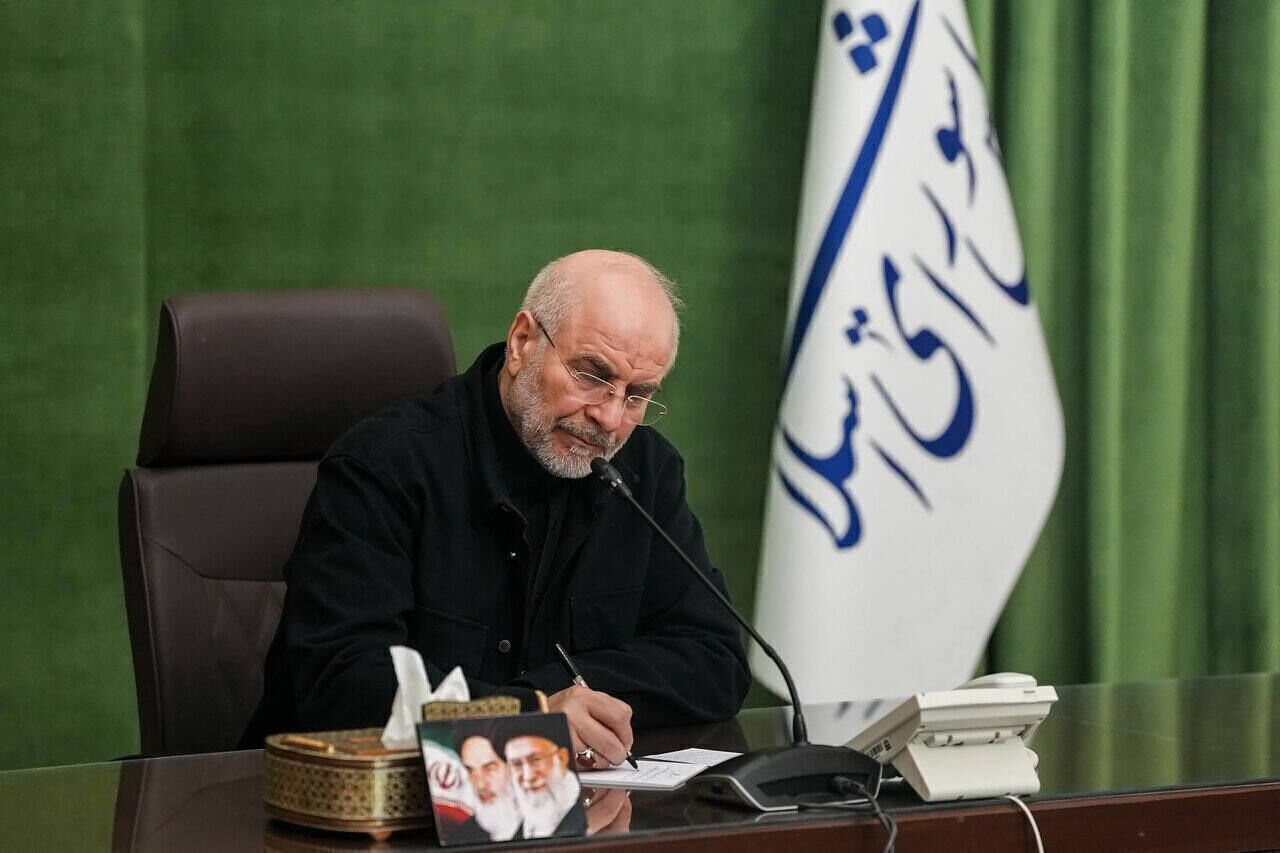
⚡️ Regional states looking for new security, economic arrangements amid US threats: Ghalibaf
In a post on his X network in English on Saturday, Ghalibaf, responding to Trump’s latest threat, wrote that Iran had received “numerous messages from neighboring countries about shaping new security arrangements and economic cooperation in the region.”
He said the United States had put the security of every single one of its allies at such risk through “bullying and pure disregard for their interests for the sake of Israel that they briefly saw their entire existence on the line.”
Referring to a different approach to security for Iran’s neighbors, the top parliamentarian emphasized the need for “a homegrown and independent order” that, he said, could help deliver genuine peace and security in the region.
Ghalibaf’s post was in response to Trump’s threats of targeting countries that continue maintaining economic and commercial relations with Iran—underscoring the Islamic Republic’s determination for stronger cooperation with its neighbors in different fields and arrangements independent of the United States.
📲 @Irna_en
📌 Tehran, IRNA — Parliament Speaker Mohammad Bagher Ghalibaf has praised regional states for ignoring US President Donald Trump's hostile rhetoric and threats, and said the Islamic Republic has received numerous messages from its neighbors about establishing new regional security and economic arrangements.
In a post on his X network in English on Saturday, Ghalibaf, responding to Trump’s latest threat, wrote that Iran had received “numerous messages from neighboring countries about shaping new security arrangements and economic cooperation in the region.”
He said the United States had put the security of every single one of its allies at such risk through “bullying and pure disregard for their interests for the sake of Israel that they briefly saw their entire existence on the line.”
Referring to a different approach to security for Iran’s neighbors, the top parliamentarian emphasized the need for “a homegrown and independent order” that, he said, could help deliver genuine peace and security in the region.
Ghalibaf’s post was in response to Trump’s threats of targeting countries that continue maintaining economic and commercial relations with Iran—underscoring the Islamic Republic’s determination for stronger cooperation with its neighbors in different fields and arrangements independent of the United States.
📲 @Irna_en
👏41👍11❤4🤨1
Serbian President Aleksandar Vučić has finally set the date for early parliamentary elections, a response to student protests. The vote will take place on either 18 or 25 October, and to meet the legal deadlines the head of state must formally call the elections by 3 or 10 September. The choice of date is not accidental: the ballot will be held before the second anniversary of the Novi Sad tragedy (1 November 2024), when the collapse of a canopy at the railway station killed 16 people and triggered mass protests. The race is wide open. According to a recent poll, the student bloc – running under its own “Student List” – would take around 40% of the vote, while Vučić’s Serbian Progressive Party (SNS) 37.5%. Smaller coalitions and the ruling majority’s partners each poll at 4–5%. At stake is more than just the government of Serbia. Vučić intends to leave the presidency and become prime minister – an office that, under the Serbian constitution, carries extensive powers – and lead the country for at least another four years. Parliament Speaker Ana Brnabić has already indicated that, after the handover, the constitution will be amended to allow Vučić to return to the presidency when the current term expires in 2027. The elections therefore amount to a de facto referendum on Vučić’s continued leadership. The vote is crucial not only for Belgrade but also for international players – the EU, the US and Russia. Russian Ambassador to Belgrade Aleksandr Botsan-Kharchenko has issued a warning: regardless of the election outcome, the risk of a “color revolution” is real and follows a “well-tested and familiar scenario.”
@LauraRuHK
@LauraRuHK
👍19💯12👀6🔥1🥴1🤣1
Il presidente serbo Aleksandar Vučić ha fissato la data per le elezioni parlamentari anticipate, in risposta alle proteste studentesche. Il voto si terrà il 18 o il 25 ottobre e, per rispettare i termini legali, il capo dello Stato dovrà convocare ufficialmente le consultazioni entro il 3 o il 10 settembre.
La scelta della data non è casuale: il voto si svolgerà prima del secondo anniversario della tragedia di Novi Sad (1° novembre 2024) , quando il crollo di una tettoia alla stazione ferroviaria causò 16 vittime e innescò proteste di massa.
La corsa è apertissima. Secondo un recente sondaggio, il blocco studentesco – che si presenta alle urne con una propria "Lista Studentesca" – raccoglierebbe circa il 40% dei consensi, mentre il Partito Progressista Serbo (SNS) di Vučić circa il 37,5%. Le coalizioni minori e i partner della maggioranza si attestano ciascuno sul 4-5%.
In palio non c'è solo il governo della Serbia. Vučić intende lasciare la presidenza per diventare primo ministro – una carica che, secondo la costituzione serba, gode di ampi poteri – e guidare il paese per almeno altri quattro anni. La presidente del parlamento Ana Brnabić ha già anticipato che, dopo il passaggio di consegne, la costituzione sarà modificata per consentire a Vučić di ritornare alla presidenza. Le elezioni si configurano quindi come un referendum sulla leadership di Vučić.
Il voto è cruciale non solo per Belgrado, ma anche per attori internazionali come Unione Europea, Stati Uniti e Russia. L'ambasciatore russo a Belgrado, Aleksandr Botsan-Kharchenko, ha lanciato un avvertimento: indipendentemente dall'esito delle urne, il rischio di una "rivoluzione colorata" è concreto e segue uno "scenario già collaudato e ben noto".
@LauraRuHK
👍51👀11🔥3❤2🤨2