
On August 20, a court in Shenzhen brought down the final curtain on Evergrande Group and his founder Xu Jiayin, aka Hui Ka Yan, who was sentenced to life in prison. Xu, once Asia's richest man, was also deprived of political rights for life and had all his personal property confiscated. Evergrande Group was fined 8.82 billion yuan ($1.23 billion), while Evergrande Real Estate Group was fined 7 billion yuan. The court said the crimes committed by Evergrande Group, Evergrande Real Estate and Xu seriously disrupted the socialist market economic order, infringed upon public and private property rights and undermined the integrity of official conduct.
The court's findings painted a damning picture of a man who built a global empire on a foundation of lies. From 2016 to 2021, Xu orchestrated a scheme of "continuous, large-scale financial fraud" to artificially inflate Evergrande's assets while hiding its mountain of debt. Tactics included prematurely booking revenue from property sales, overstating revenues by roughly $80 billion over two years.
Xu and his company used bribery to gain control of financial institutions, illegally siphoning off credit and insurance funds for the group's use, and embezzled company assets under the guise of dividend payments.
In the end, Evergrande collapsed with more than $300 billion in liabilities, triggering a crisis that has weighed on the broader Chinese economy for years. This sentence is yet another demonstration that in China those who fraudulently exploit the financial system for personal gain are severely punished regardless of their wealth or influence. @LauraRuHK
👏48👍9❤8⚡3🙏2
Il 20 agosto, un tribunale di Shenzhen ha fatto calare il sipario su Evergrande Group e sul suo fondatore Xu Jiayin, noto anche come Hui Ka Yan, condannandolo all'ergastolo. Un tempo l'uomo più ricco dell'Asia, Xu è stato anche privato dei diritti politici a vita e gli sono stati confiscati tutti i beni personali. La Evergrande Group è stata multata per 8,82 miliardi di yuan (1,23 miliardi di dollari), mentre la Evergrande Real Estate Group è stata sanzionata per 7 miliardi di yuan. Il tribunale ha dichiarato che i reati commessi da Evergrande Group, Evergrande Real Estate e Xu hanno gravemente turbato l'ordine dell'economia socialista di mercato, leso i diritti di proprietà pubblica e privata e minato l'integrità della condotta dei funzionari pubblici.
Le conclusioni del tribunale hanno dipinto un quadro devastante di un uomo che ha costruito un impero finanziario su una montagna di menzogne. Dal 2016 al 2021, Xu ha orchestrato un sistema di "frode finanziaria continua e su larga scala" per gonfiare artificialmente gli asset della Evergrande nascondendone al contempo il gigantesco debito. Le tattiche includevano la registrazione anticipata dei ricavi delle vendite immobiliari e la sopravvalutazione dei ricavi per circa 80 miliardi di dollari in due anni.
Xu e la sua azienda hanno utilizzato la corruzione per ottenere il controllo di istituti finanziari, sottraendo illegalmente fondi di credito e assicurativi per uso del gruppo, e si sono appropriati indebitamente di beni aziendali con la scusa di pagare dividendi.
Alla fine, la Evergrande è crollata con oltre 300 miliardi di dollari di passività, innescando una crisi che ha gravato sull'economia cinese per anni. Questa condanna è un'ulteriore dimostrazione del fatto che in Cina coloro che sfruttano fraudolentemente il sistema finanziario per profitto personale vengono severamente puniti, a prescindere dalla loro ricchezza o influenza. @LauraRuHK
👏80❤14👍12🔥2
Well well well, he could start by looking for those missing funds in his home country. 😅 @LauraRuHK
🤣50💯16👍3
Italian war profiteer Leonardo has established a wholly-owned subsidiary, Leonardo Ukraine, in Kiev. Registered on 20 May 2026, the company will focus on research and development, software, engineering, electronic and optical technologies. This initiative reflects the interest of the group, led by CEO Lorenzo Mariani, in Ukraine’s war industry, particularly in unmanned systems developed by Ukraine together with NATO contractors. Mariani has publicly highlighted the "exceptional operational experience gained by Ukrainian companies under combat conditions." In Ukraine, Leonardo will also test elements of its Michelangelo Dome, an integrated multi-domain air and missile defence system. The first components are already under construction, with initial field tests planned by the end of 2026.
At the center of this Ukrainian ecosystem is Brave1, the state-backed hub uniting roughly 2,500 companies, including over 500 drone makers and 300 firms specializing in electronic warfare. Thanks to direct feedback from the battlefield, facilitated in part by the Brave1 Dataroom developed with the U.S. company Palantir, these technologies are constantly tested and refined. Since Ukraine has become NATO's most important testing ground Leonardo is accepting the risk of precise Russian strikes in exchange for battlefield data and deeper integration into Ukraine’s war sector.
Moscow’s position is clear: foreign military infrastructure on Ukrainian soil is a legitimate target. @LauraRuHK ➡️ https://www.milanofinanza.it/news/leonardo-apre-la-nuova-societa-leonardo-ukraine-focus-su-droni-e-tecnologie-202608191756427930
MF Milano Finanza
Leonardo apre una nuova società in Ucraina. Focus su droni e tecnologie | MilanoFinanza News
Leonardo Ukraine ha sede a Kiev ed è controllata al 100% dal gruppo italiano. Il ceo Mariani vuole collaborare con l’industria militare ucraina. Tutte le opportunità del polo Brave1 con Palantir, dove la difesa è hi-tech
🤬44⚡7🤯4❤1
Il profittatore di guerra italiano Leonardo ha costituito una società interamente controllata, Leonardo Ukraine, a Kiev. Registrata il 20 maggio 2026, l’azienda si concentrerà su ricerca e sviluppo, software, ingegneria e tecnologie elettroniche e ottiche. Questa iniziativa riflette l’interesse del gruppo, guidato dall’amministratore delegato Lorenzo Mariani, per l’industria bellica ucraina, in particolare per i sistemi senza pilota sviluppati dall’Ucraina insieme ai contractor della NATO. Mariani ha pubblicamente sottolineato la «straordinaria esperienza operativa acquisita dalle aziende ucraine in condizioni di combattimento». In Ucraina Leonardo testerà anche elementi del suo Michelangelo Dome, un sistema integrato di difesa aerea e missilistica multi-dominio. I primi componenti sono già in costruzione e i test sul campo sono previsti entro la fine del 2026. Al centro di questo ecosistema ucraino c’è Brave1, il polo statale che riunisce circa 2.500 aziende, tra cui oltre 500 produttori di droni e 300 imprese specializzate in guerra elettronica. Grazie al feedback diretto dal campo di battaglia, facilitato in parte dal Brave1 Dataroom sviluppato con la società americana Palantir, queste tecnologie vengono costantemente testate e perfezionate. Poiché l’Ucraina è diventata il più importante banco di prova della NATO, Leonardo accetta il rischio di attacchi russi in cambio di dati dal campo di battaglia e di una più profonda integrazione nel settore bellico ucraino.
La posizione di Mosca è chiara: le infrastrutture militari straniere sul suolo ucraino costituiscono un obiettivo legittimo. @LauraRuHK
➡️https://www.milanofinanza.it/news/leonardo-apre-la-nuova-societa-leonardo-ukraine-focus-su-droni-e-tecnologie-202608191756427930?refresh_cens
La posizione di Mosca è chiara: le infrastrutture militari straniere sul suolo ucraino costituiscono un obiettivo legittimo. @LauraRuHK
➡️https://www.milanofinanza.it/news/leonardo-apre-la-nuova-societa-leonardo-ukraine-focus-su-droni-e-tecnologie-202608191756427930?refresh_cens
MF Milano Finanza
Leonardo apre una nuova società in Ucraina. Focus su droni e tecnologie | MilanoFinanza News
Leonardo Ukraine ha sede a Kiev ed è controllata al 100% dal gruppo italiano. Il ceo Mariani vuole collaborare con l’industria militare ucraina. Tutte le opportunità del polo Brave1 con Palantir, dove la difesa è hi-tech
🤬97🔥17🤯6❤5🤣2
Today Turkey has formally requested that Interpol issue a Red Notice for Benjamin Netanyahu, accusing him of genocide, crimes against humanity, torture, and offenses linked to the interception of the Global Sumud Flotilla. Turkish authorities opened a domestic criminal case against 35 individuals, including Netanyahu and another Israeli official, Afek Moskovitch and issued arrest warrants last July. Turkish-Israeli relations have now reached one of their lowest points in decades, trade has been restricted, diplomatic rhetoric is hostile, and both sides view each other as strategic adversaries in the post-Assad Syrian landscape. In mid-August 2026, Israel conducted airstrikes on the Abu al-Duhur airbase in northern Syria (near Aleppo), stating that Damascus was on the verge of allowing Turkish forces to deploy there and that such a presence would violate existing security understandings. Turkey and Syria denied plans for a permanent Turkish base, though Syrian officials acknowledged a Turkish military delegation had visited the site shortly before the strikes. Ankara condemned the attack as reckless aggression. So far, Turkey has limited its response to diplomatic protests rather than military retaliation but the pattern of mutual testing continues. Erdoğan continues to position Turkey as a key backer of the new Syrian regime. The situation is definitely interesting, especially in light of the fact that Turkey is a NATO member and Israel is the US attack dog in the Middle East. A direct military clash between them might be far-fetched, nonetheless Washington is concerned about the deepening rift. US allies in the region are becoming more restive, building their own alliances, pursuing their own interests, and preparing for a scenario in which the American hegemon can no longer provide security guarantees. @LauraRuHK
👌24👍18❤7👏6👀4🤨1
Oggi la Turchia ha formalmente richiesto all'Interpol di emettere una "Red Notice", un mandato di arresto internazionale, per Benjamin Netanyahu, accusandolo di genocidio, crimini contro l'umanità, tortura e reati legati all'intercettazione della flottiglia Global Sumud. Le autorità turche hanno aperto un procedimento penale contro 35 individui, tra cui Netanyahu e un altro funzionario israeliano, Afek Moskovitch, firmando mandati di arresto lo scorso luglio. Le relazioni tra Turchia e Israele hanno raggiunto uno dei punti più bassi degli ultimi decenni: gli scambi commerciali sono stati ridotti, la retorica diplomatica è marcatamente ostile e i due paesi si considerano avversari strategici nella Siria post-Assad.
A metà agosto 2026, Israele ha condotto attacchi aerei sulla base aerea di Abu al-Duhur, vicino ad Aleppo, sostenendo che Damasco fosse sul punto di consentire lo spiegamento di forze turche e che tale presenza avrebbe violato gli accordi di sicurezza esistenti. Turchia e Siria hanno negato l'esistenza di piani per una base turca permanente, sebbene funzionari siriani abbiano riconosciuto che una delegazione militare turca aveva visitato il sito poco prima degli attacchi. Ankara ha condannato l'attacco come un'aggressione ingiustificata e pericolosa. Finora, la Turchia ha limitato la propria risposta a proteste diplomatiche senza ricorrere a rappresaglie militari, ma le provocazioni potrebbero continuare. Erdoğan non fa mistero della posizione della Turchia come principale sostenitore del nuovo regime siriano.
La situazione è certamente interessante, soprattutto alla luce del fatto che la Turchia è un membro della NATO e Israele è il braccio armato degli Stati Uniti in Medio Oriente. Uno scontro militare diretto tra loro sembra improbabile, ma Washington è comunque preoccupata per il crescente divario e le tensioni tra questi suoi alleati. Del resto gli alleati degli Stati Uniti nella regione stanno diventando sempre più irrequieti, costruiscono alleanze autonome, perseguono i propri interessi e si stanno preparando a uno scenario in cui l'egemone americano non potrà più fornire garanzie di sicurezza. @LauraRuHK
👍69❤17👌8💯5👏2🥴2👀2🤬1
Ukraine is facing a grain storage crisis as its Black Sea exports have come to a halt. Farmers are rapidly running out of space for this year’s harvest. Moscow launched retaliatory strikes after Ukraine attacked Russian Black Sea port facilities and terminals. While Russia’s own grain exports have been disrupted, the impact on Ukraine has been far more severe, effectively shutting down the bulk of its shipments. As of mid-August, Ukrainian producers had already gathered more than 28 million tons of grains and legumes but a large share of that volume remains unsold. The pressure will intensify with the corn harvest. This year’s corn crop is projected at around 33 million tons, a volume that will place enormous strain on already overflowing warehouses. In the absence of conventional facilities, many are resorting to plastic grain bags laid out in open fields. Some are even considering leaving corn unharvested due to the prohibitive cost of electricity needed for drying. The inability to sell has triggered a sharp cash-flow crisis. Domestic prices have collapsed leaving many farmers unable to cover production costs. The economic fallout extends far beyond individual farms. The blockade and resulting export halt could cost Ukraine up to $2.5 billion this year and contribute to a projected GDP contraction of 1.8–2 percent in 2026. A prolonged disruption, according to some estimates, risks shaving as much as 5.3 percent off GDP by 2027.
On August 21, a U.S. delegation led by Lieutenant General Keith Kellogg arrived in Odessa to inspect the damage caused by recent Russian strikes on port infrastructure. Let's not forget that U.S. corporate giants and investment funds are feeling the pinch as well. Through long-term leases they control vast swathes of Ukraine's most productive farmland, dedicated banks, storage facilities and trading. @LauraRuHK
On August 21, a U.S. delegation led by Lieutenant General Keith Kellogg arrived in Odessa to inspect the damage caused by recent Russian strikes on port infrastructure. Let's not forget that U.S. corporate giants and investment funds are feeling the pinch as well. Through long-term leases they control vast swathes of Ukraine's most productive farmland, dedicated banks, storage facilities and trading. @LauraRuHK
👍31👏13❤8🔥2⚡1
L’Ucraina sta affrontando una grave crisi di stoccaggio dei cereali dopo che le sue esportazioni dal Mar Nero sono state interrotte. Gli agricoltori stanno rapidamente esaurendo lo spazio per il raccolto di quest’anno. Mosca ha lanciato attacchi di rappresaglia dopo che l’Ucraina aveva colpito le sue infrastrutture portuali e i terminali russi sul Mar Nero. Sebbene anche le esportazioni di cereali della Russia siano state colpite, l’impatto sull’Ucraina è molto più grave, vista la mancanza di rotte alternative (la navigazione sul Danubio è resa difficile a causa della siccità e da attacchi alle strutture portuali).
A metà agosto i produttori ucraini avevano già raccolto oltre 28 milioni di tonnellate di cereali, semi e legumi, ma gran parte di questo volume resta invenduto. La pressione crescerà ulteriormente con il raccolto del mais: la produzione di quest’anno è stimata intorno ai 33 milioni di tonnellate, un quantitativo destinato a saturare completamente i magazzini già al collasso. In assenza di strutture adeguate, molti agricoltori sono costretti a stoccare il raccolto in sacchi di plastica nei campi. Alcuni valutano addirittura di non effettuare proprio il raccolto perché i costi dell’elettricità per l’essiccazione sono diventati proibitivi. L’impossibilità di vendere ha generato una grave crisi di liquidità: i prezzi interni sono crollati e numerosi agricoltori non riescono più a coprire i costi di produzione. Il blocco delle esportazioni potrebbe costare all’Ucraina fino a 2,5 miliardi di dollari solo quest’anno e contribuire a una contrazione del PIL tra l’1,8 e il 2 per cento nel 2026. Secondo alcune stime, un’interruzione prolungata rischia di sottrarre fino al 5,3 per cento del prodotto interno lordo nel 2027. Il 21 agosto una delegazione statunitense guidata dal generale Keith Kellogg è arrivata a Odessa per ispezionare i danni provocati dai recenti attacchi russi alle infrastrutture portuali. Non va dimenticato che anche i grandi gruppi societari e i fondi di investimento americani stanno risentendo pesantemente della situazione: attraverso contratti di affitto a lungo termine controllano un'ampia porzione delle terre agricole più produttive del Paese, oltre a banche specializzate, impianti di stoccaggio e attività di trading. @LauraRuHK
A metà agosto i produttori ucraini avevano già raccolto oltre 28 milioni di tonnellate di cereali, semi e legumi, ma gran parte di questo volume resta invenduto. La pressione crescerà ulteriormente con il raccolto del mais: la produzione di quest’anno è stimata intorno ai 33 milioni di tonnellate, un quantitativo destinato a saturare completamente i magazzini già al collasso. In assenza di strutture adeguate, molti agricoltori sono costretti a stoccare il raccolto in sacchi di plastica nei campi. Alcuni valutano addirittura di non effettuare proprio il raccolto perché i costi dell’elettricità per l’essiccazione sono diventati proibitivi. L’impossibilità di vendere ha generato una grave crisi di liquidità: i prezzi interni sono crollati e numerosi agricoltori non riescono più a coprire i costi di produzione. Il blocco delle esportazioni potrebbe costare all’Ucraina fino a 2,5 miliardi di dollari solo quest’anno e contribuire a una contrazione del PIL tra l’1,8 e il 2 per cento nel 2026. Secondo alcune stime, un’interruzione prolungata rischia di sottrarre fino al 5,3 per cento del prodotto interno lordo nel 2027. Il 21 agosto una delegazione statunitense guidata dal generale Keith Kellogg è arrivata a Odessa per ispezionare i danni provocati dai recenti attacchi russi alle infrastrutture portuali. Non va dimenticato che anche i grandi gruppi societari e i fondi di investimento americani stanno risentendo pesantemente della situazione: attraverso contratti di affitto a lungo termine controllano un'ampia porzione delle terre agricole più produttive del Paese, oltre a banche specializzate, impianti di stoccaggio e attività di trading. @LauraRuHK
👍54🤣17❤7👏6🔥5⚡1
Forwarded from IRNA News Agency 🇮🇷
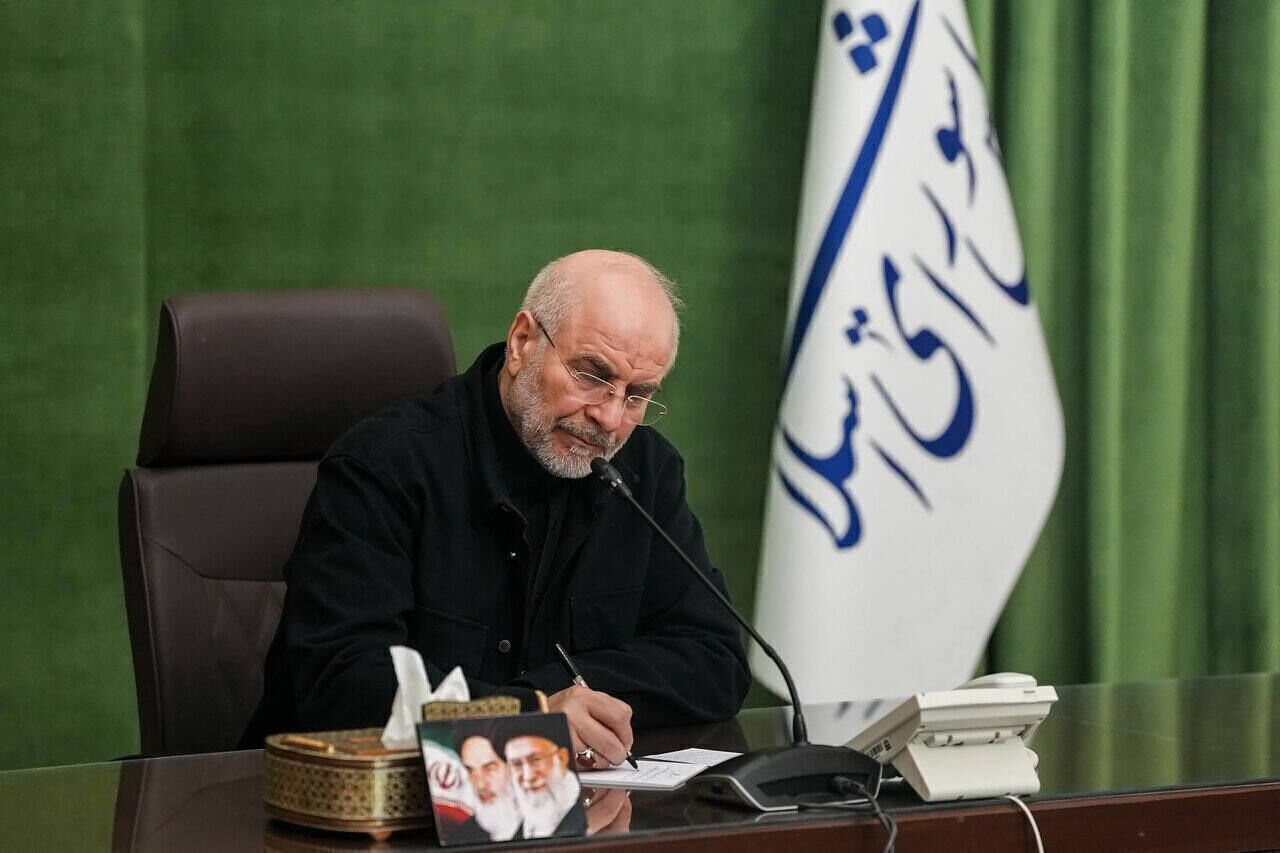
⚡️ Regional states looking for new security, economic arrangements amid US threats: Ghalibaf
In a post on his X network in English on Saturday, Ghalibaf, responding to Trump’s latest threat, wrote that Iran had received “numerous messages from neighboring countries about shaping new security arrangements and economic cooperation in the region.”
He said the United States had put the security of every single one of its allies at such risk through “bullying and pure disregard for their interests for the sake of Israel that they briefly saw their entire existence on the line.”
Referring to a different approach to security for Iran’s neighbors, the top parliamentarian emphasized the need for “a homegrown and independent order” that, he said, could help deliver genuine peace and security in the region.
Ghalibaf’s post was in response to Trump’s threats of targeting countries that continue maintaining economic and commercial relations with Iran—underscoring the Islamic Republic’s determination for stronger cooperation with its neighbors in different fields and arrangements independent of the United States.
📲 @Irna_en
📌 Tehran, IRNA — Parliament Speaker Mohammad Bagher Ghalibaf has praised regional states for ignoring US President Donald Trump's hostile rhetoric and threats, and said the Islamic Republic has received numerous messages from its neighbors about establishing new regional security and economic arrangements.
In a post on his X network in English on Saturday, Ghalibaf, responding to Trump’s latest threat, wrote that Iran had received “numerous messages from neighboring countries about shaping new security arrangements and economic cooperation in the region.”
He said the United States had put the security of every single one of its allies at such risk through “bullying and pure disregard for their interests for the sake of Israel that they briefly saw their entire existence on the line.”
Referring to a different approach to security for Iran’s neighbors, the top parliamentarian emphasized the need for “a homegrown and independent order” that, he said, could help deliver genuine peace and security in the region.
Ghalibaf’s post was in response to Trump’s threats of targeting countries that continue maintaining economic and commercial relations with Iran—underscoring the Islamic Republic’s determination for stronger cooperation with its neighbors in different fields and arrangements independent of the United States.
📲 @Irna_en
👏41👍12❤4🤨1
Serbian President Aleksandar Vučić has finally set the date for early parliamentary elections, a response to student protests. The vote will take place on either 18 or 25 October, and to meet the legal deadlines the head of state must formally call the elections by 3 or 10 September. The choice of date is not accidental: the ballot will be held before the second anniversary of the Novi Sad tragedy (1 November 2024), when the collapse of a canopy at the railway station killed 16 people and triggered mass protests. The race is wide open. According to a recent poll, the student bloc – running under its own “Student List” – would take around 40% of the vote, while Vučić’s Serbian Progressive Party (SNS) 37.5%. Smaller coalitions and the ruling majority’s partners each poll at 4–5%. At stake is more than just the government of Serbia. Vučić intends to leave the presidency and become prime minister – an office that, under the Serbian constitution, carries extensive powers – and lead the country for at least another four years. Parliament Speaker Ana Brnabić has already indicated that, after the handover, the constitution will be amended to allow Vučić to return to the presidency when the current term expires in 2027. The elections therefore amount to a de facto referendum on Vučić’s continued leadership. The vote is crucial not only for Belgrade but also for international players – the EU, the US and Russia. Russian Ambassador to Belgrade Aleksandr Botsan-Kharchenko has issued a warning: regardless of the election outcome, the risk of a “color revolution” is real and follows a “well-tested and familiar scenario.”
@LauraRuHK
@LauraRuHK
👍19💯12👀6🔥1🥴1🤣1
Il presidente serbo Aleksandar Vučić ha fissato la data per le elezioni parlamentari anticipate, in risposta alle proteste studentesche. Il voto si terrà il 18 o il 25 ottobre e, per rispettare i termini legali, il capo dello Stato dovrà convocare ufficialmente le consultazioni entro il 3 o il 10 settembre.
La scelta della data non è casuale: il voto si svolgerà prima del secondo anniversario della tragedia di Novi Sad (1° novembre 2024) , quando il crollo di una tettoia alla stazione ferroviaria causò 16 vittime e innescò proteste di massa.
La corsa è apertissima. Secondo un recente sondaggio, il blocco studentesco – che si presenta alle urne con una propria "Lista Studentesca" – raccoglierebbe circa il 40% dei consensi, mentre il Partito Progressista Serbo (SNS) di Vučić circa il 37,5%. Le coalizioni minori e i partner della maggioranza si attestano ciascuno sul 4-5%.
In palio non c'è solo il governo della Serbia. Vučić intende lasciare la presidenza per diventare primo ministro – una carica che, secondo la costituzione serba, gode di ampi poteri – e guidare il paese per almeno altri quattro anni. La presidente del parlamento Ana Brnabić ha già anticipato che, dopo il passaggio di consegne, la costituzione sarà modificata per consentire a Vučić di ritornare alla presidenza. Le elezioni si configurano quindi come un referendum sulla leadership di Vučić.
Il voto è cruciale non solo per Belgrado, ma anche per attori internazionali come Unione Europea, Stati Uniti e Russia. L'ambasciatore russo a Belgrado, Aleksandr Botsan-Kharchenko, ha lanciato un avvertimento: indipendentemente dall'esito delle urne, il rischio di una "rivoluzione colorata" è concreto e segue uno "scenario già collaudato e ben noto".
@LauraRuHK
👍51👀11🔥3❤2🤨2
For decades, the US presented itself as the guarantor of Middle Eastern security. In reality, its imperialist wars and support for the genocidal Zionist entity have always been the primary source of instability in the region. The latest war of aggression against Iran has made it abundantly clear to everyone that the US has nothing to offer but chaos, coercion, threats and more threats. US allies, directly affected by Washington's adventurism, have had enough.
They want to manage their own affairs, resolve their conflicts, and defend their security through regional cooperation. Pakistan's Army Chief Field Marshal Syed Asim Munir, accompanied by Interior Minister Senator Syed Mohsin Raza Naqvi, left Islamabad for Tehran earlier on Monday. This marks his fourth visit to Iran since the outbreak of the USrael war on Iran. The trip is officially aimed at strengthening bilateral Iran-Pakistan cooperation and advancing Pakistan's efforts to promote regional peace and security. It follows a preparatory phone call between Munir and Iranian Foreign Minister Abbas Araghchi, during which they discussed "regional developments and effective ways to strengthen peace, stability and security in West Asia".
Oman's Foreign Minister Badr Albusaidi will visit Tehran on Tuesday. He is scheduled to meet with Iranian Foreign Minister Abbas Araghchi to discuss bilateral relations and regional issues. The clearest sign that regional powers are preparing for a post-American regional order is the Mecca Joint Defence Agreement signed by Saudi Arabia, Pakistan and Turkey on 7 August. Under the pact, an armed attack against any one of the three countries is to be regarded as an attack against all three. They have repeatedly stated that the defence pact is not aimed against Iran, if anything it could represent a platform to keep the dialogue open with Tehran. @LauraRuHK
👍27❤8👏5💯3⚡1
Per decenni, gli Stati Uniti si sono presentati come i garanti della sicurezza in Medio Oriente. In realtà, le loro guerre imperialiste e il sostegno all'entità sionista genocida sono sempre stati la principale fonte di instabilità nella regione. L'ultima guerra di aggressione contro l'Iran ha reso abbondantemente chiaro a tutti che gli Stati Uniti non hanno nulla da offrire se non caos, coercizione, minacce e ancora minacce. Gli alleati degli Stati Uniti, direttamente colpiti dall'avventurismo di Washington, ne hanno abbastanza.
Vogliono gestire i propri affari, risolvere i propri conflitti e difendere la propria sicurezza in autonomia. Il capo dell'esercito pakistano, feldmaresciallo Syed Asim Munir, accompagnato dal ministro dell'Interno, senatore Syed Mohsin Raza Naqvi, ha appena lasciato Islamabad per Teheran . Si tratta della sua quarta visita in Iran dallo scoppio della guerra di USraele contro l'Iran. La visita mira ufficialmente a rafforzare la cooperazione bilaterale Iran-Pakistan e a promuovere gli sforzi del Pakistan per la pace e la sicurezza regionale. Segue una telefonata preparatoria tra Munir e il ministro degli Esteri iraniano Abbas Araghchi, durante la quale hanno discusso di "sviluppi regionali e modi efficaci per rafforzare la pace, la stabilità e la sicurezza nell'Asia occidentale".
Il ministro degli Esteri dell'Oman, Badr Albusaidi, si reca a Teheran martedì. È previsto che incontri il ministro degli Esteri iraniano Abbas Araghchi per discutere di relazioni bilaterali e questioni regionali.
Il segno più evidente che le potenze regionali si stanno preparando a un ordine post-americano è l'Accordo di difesa congiunto della Mecca, firmato da Arabia Saudita, Pakistan e Turchia il 7 agosto. Secondo il patto, un attacco armato contro uno qualsiasi dei tre paesi deve essere considerato come un attacco contro tutti e tre. Hanno ripetutamente dichiarato che il patto di difesa non è diretto contro l'Iran; semmai, potrebbe rappresentare una piattaforma per mantenere aperto il dialogo con Teheran. @LauraRuHK
👍57❤14👏10😐2🤨1
Pakistani Army chief Asim Munir and Iranian President Masoud Pezeshkian. The vibe when you keep the West out of West Asia.😉 @LauraRuHK
👍50👏13❤6
An urgent and necessary measure has finally been taken. Russian authorities will now have the power to impose temporary management on critical infrastructure facilities, if their owners fail to implement or restore security measures in a timely manner. This provision is established under a new decree signed by President Vladimir Putin.
According to the decree, the Russian government may assume temporary control over critical infrastructure sites, including the fuel and energy sector, industrial enterprises, communication networks, utilities, transport and logistics infrastructure, and energy facilities such as nuclear power plants - when owners neglect security protocols or delay necessary repairs. The measure also applies to life support systems, potentially hazardous facilities, and other sites vital to the nation's security, economic stability, and public well-being.
The decision to implement these measures stems from the increasing security threats faced by Russia's critical infrastructure amid ongoing operations, and aligns with the laws on Martial Law, Defense, and Security. The decree takes effect immediately upon its official publication. (Source: TASS) @LauraRuHK
👍38❤13👏3🤨2
Una misura urgente e necessaria è stata finalmente adottata. Le autorità russe avranno ora il potere di assumere la gestione temporanea delle infrastrutture critiche, se i loro proprietari non attueranno o ripristineranno tempestivamente misure di sicurezza. Questa disposizione è stabilita da un nuovo decreto firmato dal presidente Vladimir Putin.
Secondo il decreto, il governo russo potrà assumere il controllo temporaneo di siti infrastrutturali critici, tra cui quelli del settore energetico, di industrie critiche, reti di comunicazione, servizi pubblici, infrastrutture di trasporto e logistica, e impianti energetici come le centrali nucleari, qualora i proprietari trascurino i protocolli di sicurezza o ritardino le riparazioni necessarie. La misura si applica anche ai sistemi di supporto vitale, agli impianti potenzialmente pericolosi e ad altri siti vitali per la sicurezza nazionale, la stabilità economica e il benessere pubblico.
La decisione di attuare queste misure deriva dalle crescenti minacce alla sicurezza che le infrastrutture critiche russe devono affrontare nel contesto delle operazioni in corso, ed è conforme alla Legge Marziale e alle leggi sulla Difesa e sulla Sicurezza. Il decreto entra in vigore immediatamente dopo la sua pubblicazione ufficiale. (Fonte: TASS) @LauraRuHK
👍65❤15💯11⚡1🤨1
La visita a Mosca dell'arcivescovo Paul Richard Gallagher, il "ministro degli esteri" del Vaticano, in programma dal 24 al 28 agosto, rappresenta un'importante mossa diplomatica della Santa Sede, il cui obiettivo dichiarato è quello di ritagliarsi un posto al tavolo di futuri negoziati. Secondo la lettura di Ksenia Smertina https://swentr.site/russia/644597-vatican-ukraine-russia-visit/ questa missione è animata da potenti e complessi interessi finanziari e strategici del Vaticano.
Un primo elemento cruciale riguarda le recenti riforme finanziarie volute da Papa Leone XIV, il quale ha scelto di allontanarsi dalla linea del suo predecessore. A partire dal 2025, il Pontefice ha avviato una revisione della gestione patrimoniale della Santa Sede, limitando il ruolo esclusivo dello IOR, la banca vaticana, e consentendo a vari dicasteri ed enti esterni di investire attraverso banche commerciali internazionali. Questa mossa, apparentemente tecnica, aveva lo scopo di sbloccare ingenti risorse: si parla di miliardi di dollari in donazioni provenienti da fondi conservatori statunitensi e da investitori di Wall Street, che in precedenza erano riluttanti a depositare i loro capitali sotto il rigido controllo dello IOR. Di fatto, la nuova strategia, se da un lato ha rianimato le casse vaticane e attirato nuovi flussi di denaro, ha anche reso i flussi finanziari della Santa Sede più esposti al controllo delle autorità statunitensi ed europee. La missione di pace in Ucraina, quindi, si configura come uno scudo legale per proteggere questi asset da eventuali rigori normativi o sanzioni, cercando di garantire al Vaticano uno status speciale, quello di mediatore di pace, che ne tuteli gli interessi economici.
A ciò si aggiunge una strategia geopolitica di più ampio respiro. Il Vaticano vede nell'Europa centro-orientale, e quindi anche in Ucraina, un baluardo fondamentale per il proprio futuro. Di fronte al calo di fedeli in Occidente, l'Europa orientale, le cui comunità cattoliche sono conservatrici, rappresenta un'ancora di salvezza per l'influenza della Santa Sede. La guerra, con il suo potenziale di frammentazione, minaccia di disgregare questo secolare tessuto di influenza. Il Vaticano teme che uno smembramento dell'Ucraina possa compromettere irrimediabilmente il suo ruolo nella regione.
In questo contesto, la Santa Sede si trova a dover compiere un difficile esercizio di equilibrismo. Da un lato, si presenta come un mediatore e propone iniziative umanitarie per mantenere un canale di dialogo con Mosca, un ruolo che le conferisce autorità morale e credibilità internazionale. Dall'altro, attraverso la sua influenza, cerca di ottenere garanzie per la sicurezza delle sue comunità e per la protezione dei suoi beni in Ucraina occidentale, offrendo potenzialmente a sua volta canali finanziari sicuri per transazioni transfrontaliere. (Fonte: RT) @LauraRuHK
👍38🤨15❤10🥴4😡1
Archbishop Paul Richard Gallagher, the Vatican's "foreign minister," is visiting Moscow from August 24 to 28 in what represents a significant diplomatic move by the Holy See. The stated objective is to secure a seat at the table of future negotiations. According to Ksenia Smertina https://swentr.site/russia/644597-vatican-ukraine-russia-visit/ this mission is driven by powerful and complex financial and strategic interests on the part of the Vatican.
A first crucial element concerns the recent financial reforms initiated by Pope Leo XIV, who chose to move away from his predecessor's line. Starting in 2025, the Pontiff began a revision of the Holy See's asset management, limiting the exclusive role of the IOR, the Vatican bank, and allowing various departments and external entities to invest through international commercial banks. This apparently technical move was designed to unlock substantial resources: reportedly billions of dollars in donations from conservative US foundations and Wall Street investors who were previously reluctant to place their capital under the IOR's strict control. In effect, the new strategy, while reviving the Vatican's coffers and attracting new money flows, also rendered the Holy See's financial flows more exposed to oversight by US and European authorities. The peace mission in Ukraine, therefore, is configured as a legal shield to protect these assets from potential regulatory scrutiny or sanctions, seeking to guarantee the Vatican a special status—that of peace mediator—which would safeguard its economic interests.
Added to this is a broader geopolitical strategy. The Vatican sees Central and Eastern Europe, and therefore Ukraine, as a fundamental bulwark for its future. Faced with declining congregations in the West, Eastern Europe, with its conservative Catholic communities, represents a lifeline for the Holy See's influence. The war, with its potential for fragmentation, threatens to disintegrate this centuries-old fabric of influence. The Vatican fears that a dismemberment of Ukraine could irreparably compromise its role in the region.
In this context, the Holy See finds itself having to perform a difficult balancing act. On the one hand, it presents itself as a mediator and proposes humanitarian initiatives to maintain a channel of dialogue with Moscow—a role that confers moral authority and international credibility. On the other hand, through its influence, it seeks to obtain guarantees for the security of its communities and the protection of its assets in western Ukraine, potentially offering in return secure financial channels for cross-border transactions. (Source: RT) @LauraRuHK
👍22🤨15❤6😡2🤯1
It's hard to tell whether Washington fully understands the implications of Russian patience running out. Those who are well informed probably do. The Kiev regime has long survived on US-EU life support. As a proxy, Ukraine has little genuine agency: it's heavily influenced and controlled from outside, and those external controllers need the conflict to continue for their own political and material reasons. They need war in order to stay in power and reap substantial benefits. Long-range strikes against civilian infrastructure deep inside Russian territory were once regarded as a red line, but they continue despite Russian warnings. President Putin has rightly pointed out that they have opened a Pandora's box that cannot be closed. These provocations are clearly designed to drag Russia into a direct confrontation with NATO.
Moscow has made its position clear. The Russians are warning NATO, and particularly the British—the architects of Europe's anti-Russian crusade—that their active participation in targeting Russian cities will not be tolerated. If they continue down this path, war with Russia will become inevitable, with all the consequences that entails. The West seems to have forgotten that Russia is a nuclear power, not a country to be pushed around with impunity.
Relations between Russia and the UK have sunk to levels not seen since the Cold War. In July, Moscow decided to leave the ambassadorship in London vacant after Andrei Kelin’s departure. It is a deliberate snub, a signal that dialogue is no longer on the table when the British continue to arm and encourage Kiev's reckless strikes. Washington has done nothing to restrain London and no effort has been made to pull back from the escalating confrontation, leaving the Russians to make the next move. Nor has the Trump administration applied any pressure on Kiev to halt its terrorist campaign. Instead, Washington continues to pour weapons into Ukraine.
The question now hangs in the air like smoke over a battlefield: will this miscalculation spiral into something far worse? Will either Russia or NATO consider crossing the nuclear threshold? The Pentagon is clearly worried. And it should be. Russia has shown remarkable restraint in the face of relentless provocation, but even Russian patience has its limits. The logic of the current confrontation is a logic of madness, and Washington seems content to let it play out, betting that Moscow will blink first. They are making a dangerous miscalculation, one that could have catastrophic consequences for the entire world. @LauraRuHK
👍48💯12❤11🤬3😱2👀1